The Architectural Solution
Brian Rathsam, vice president and project architect at Mantel Teter, had been working with the church through the earlier renovation phases and understood both the campus and its constraints well. The question wasn’t whether to expand. It was how.
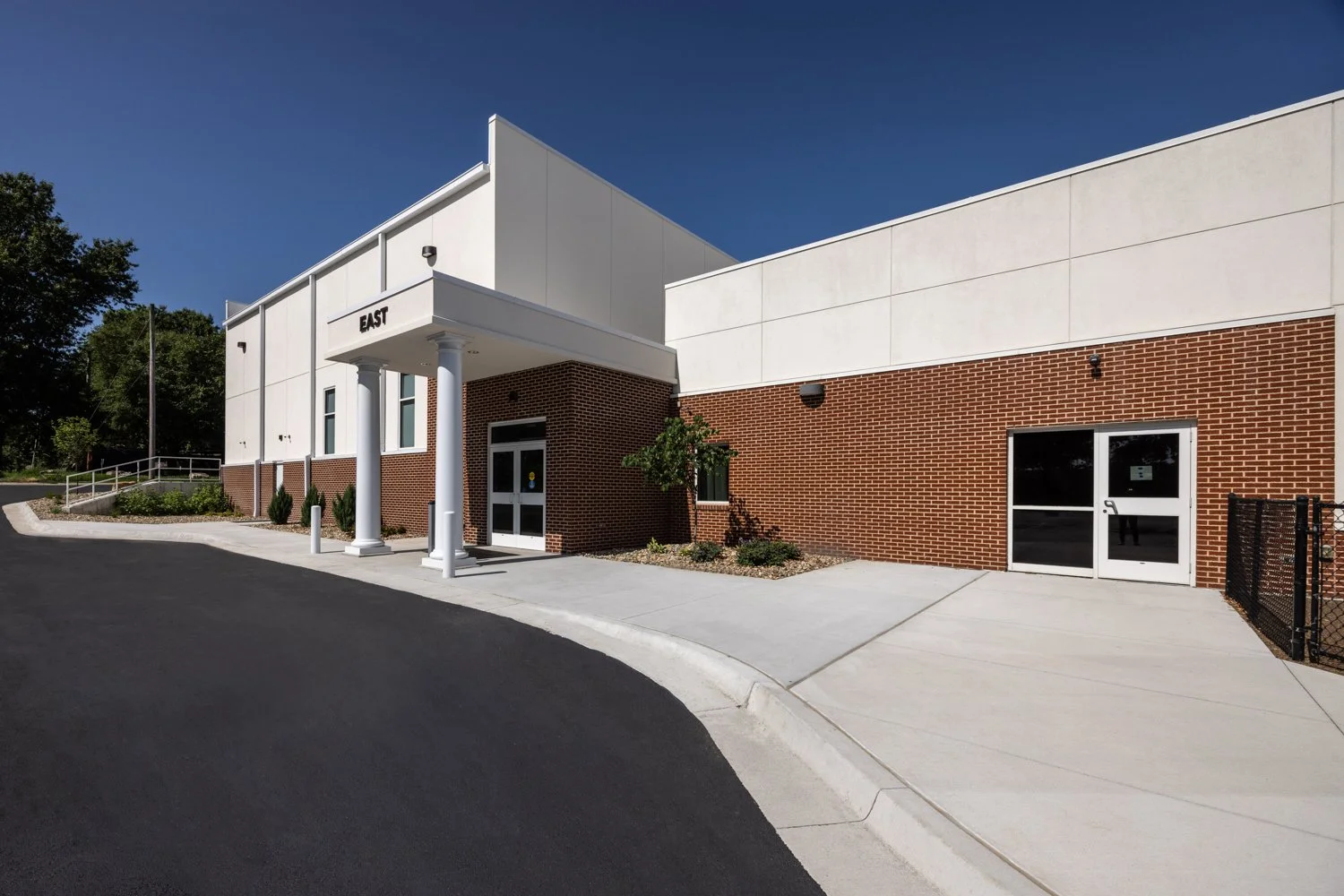
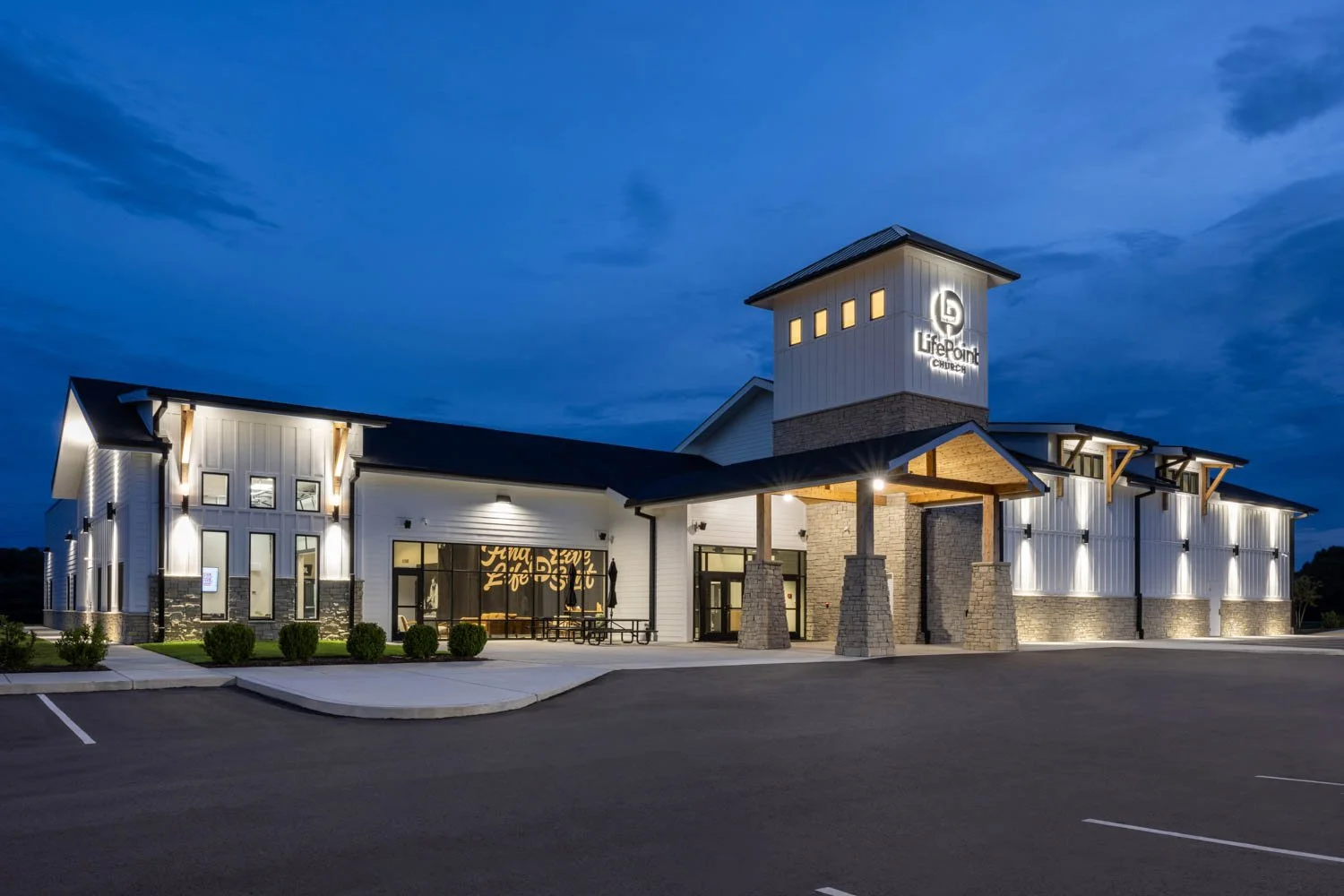
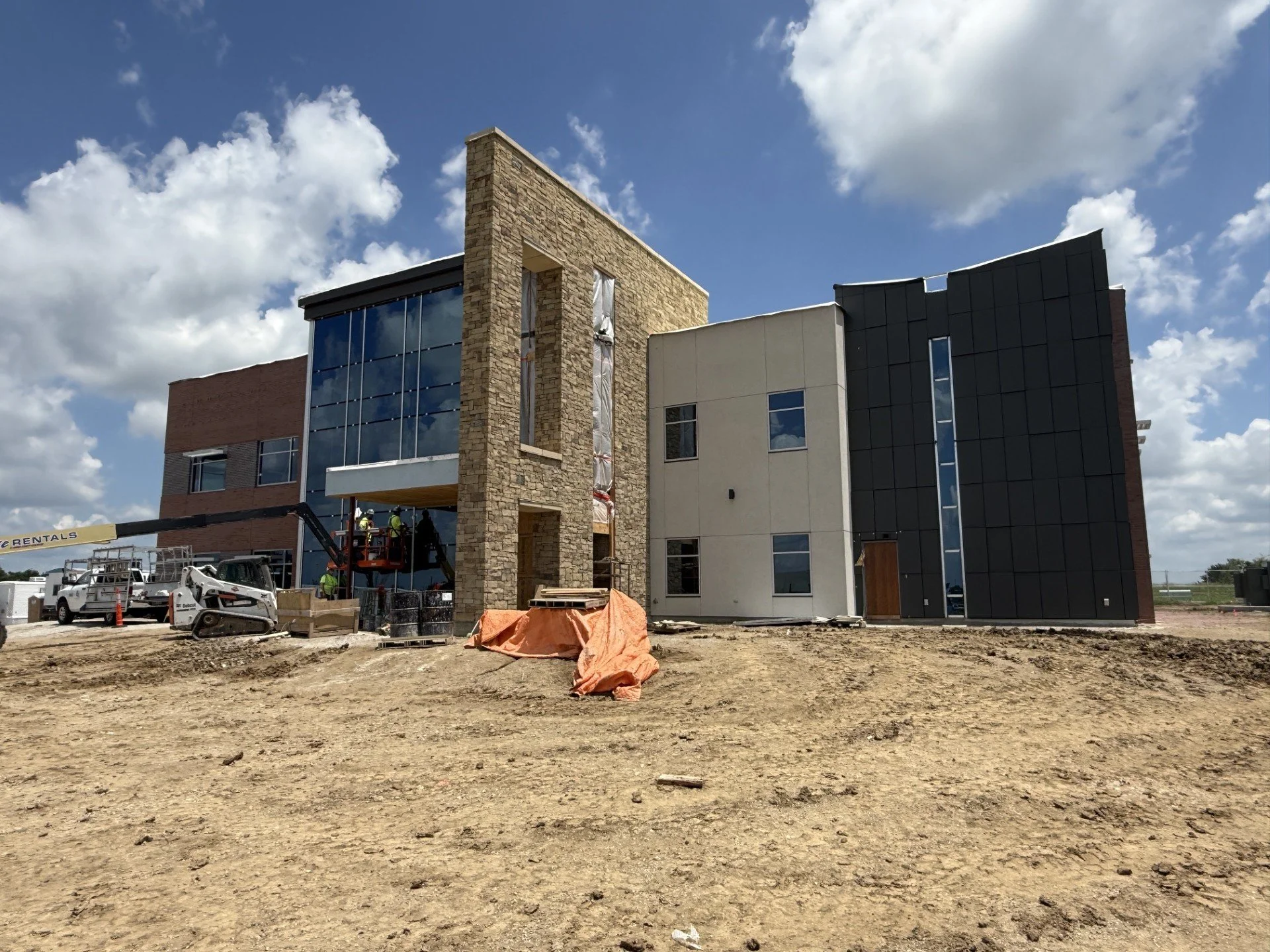
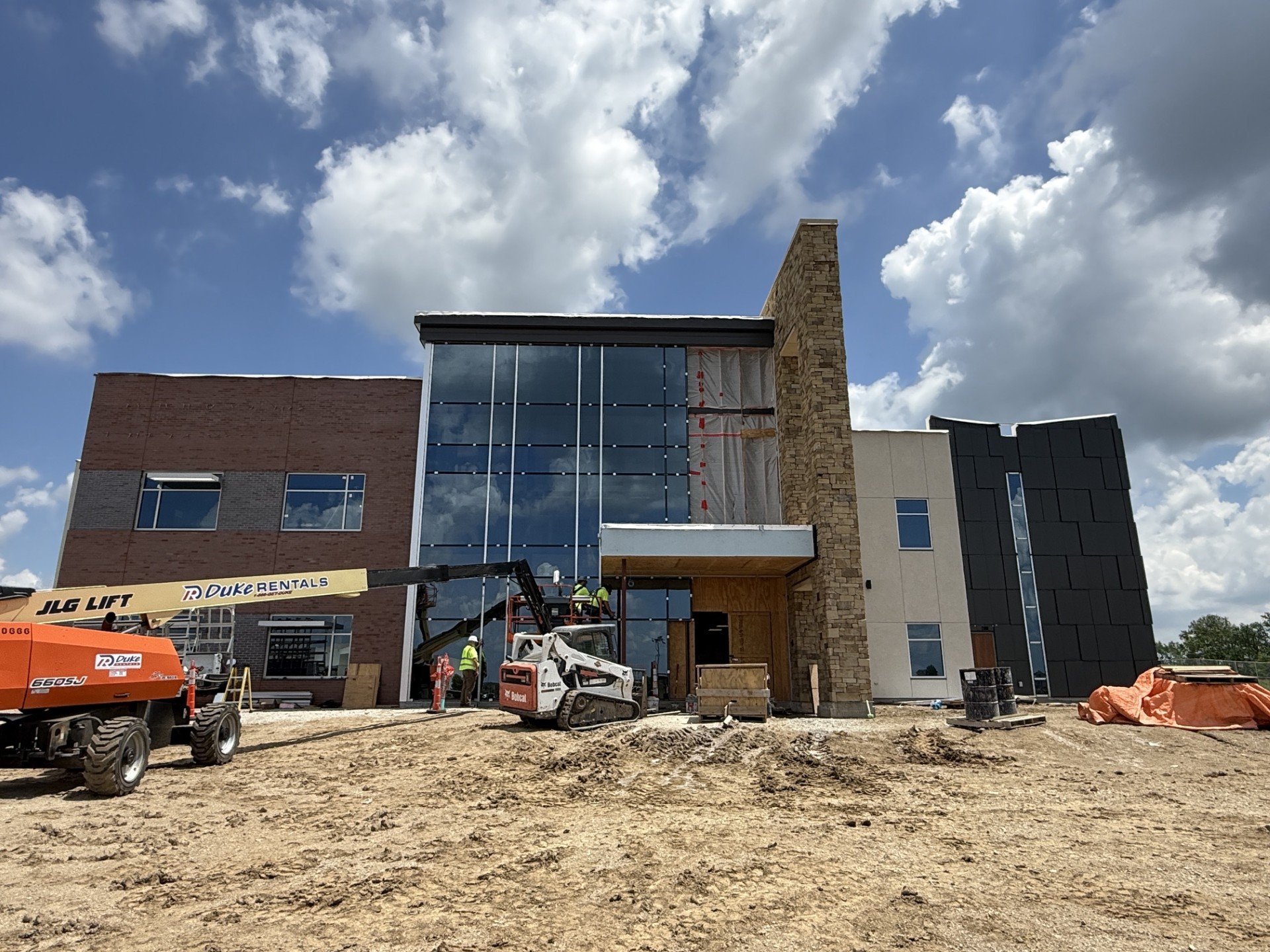
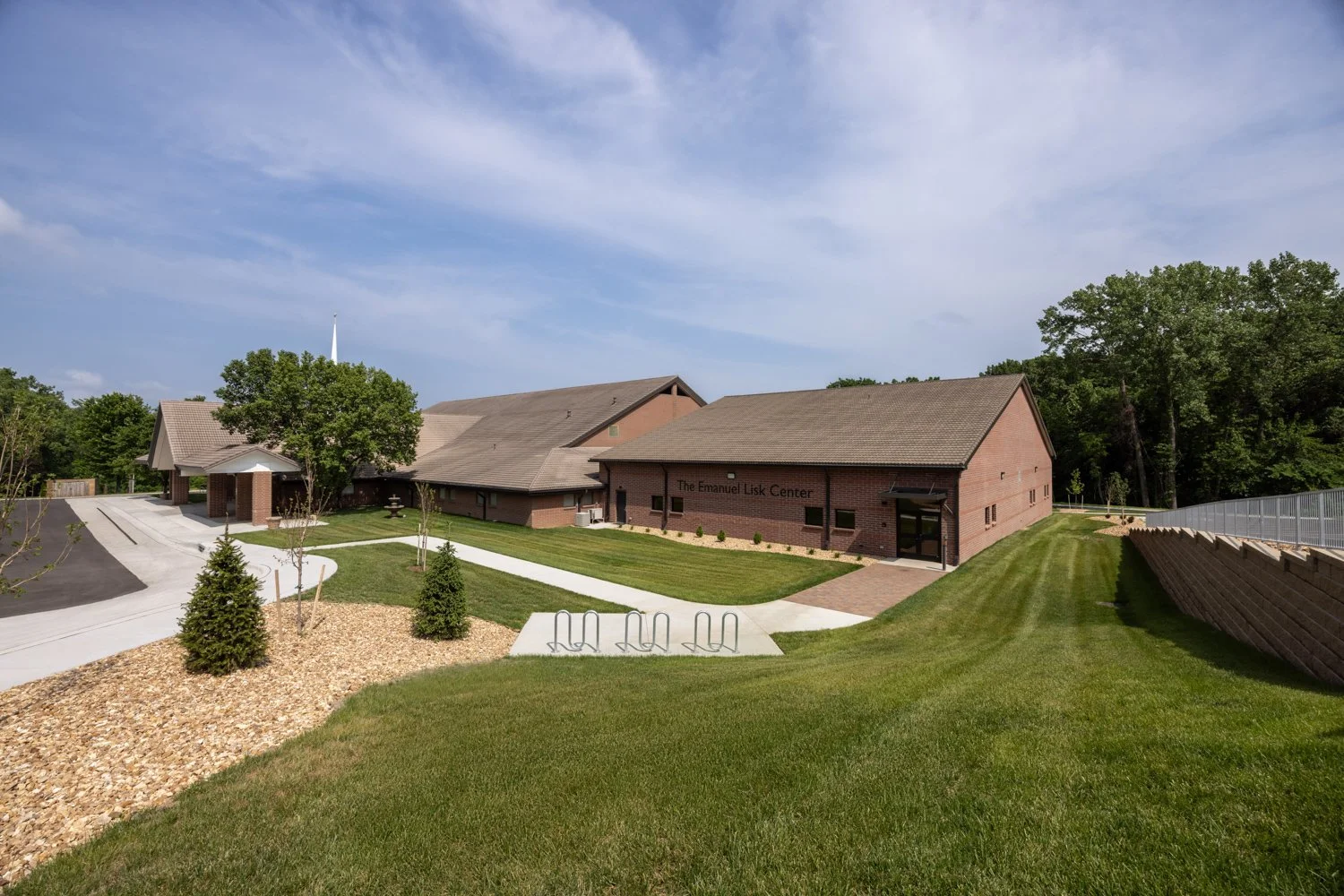
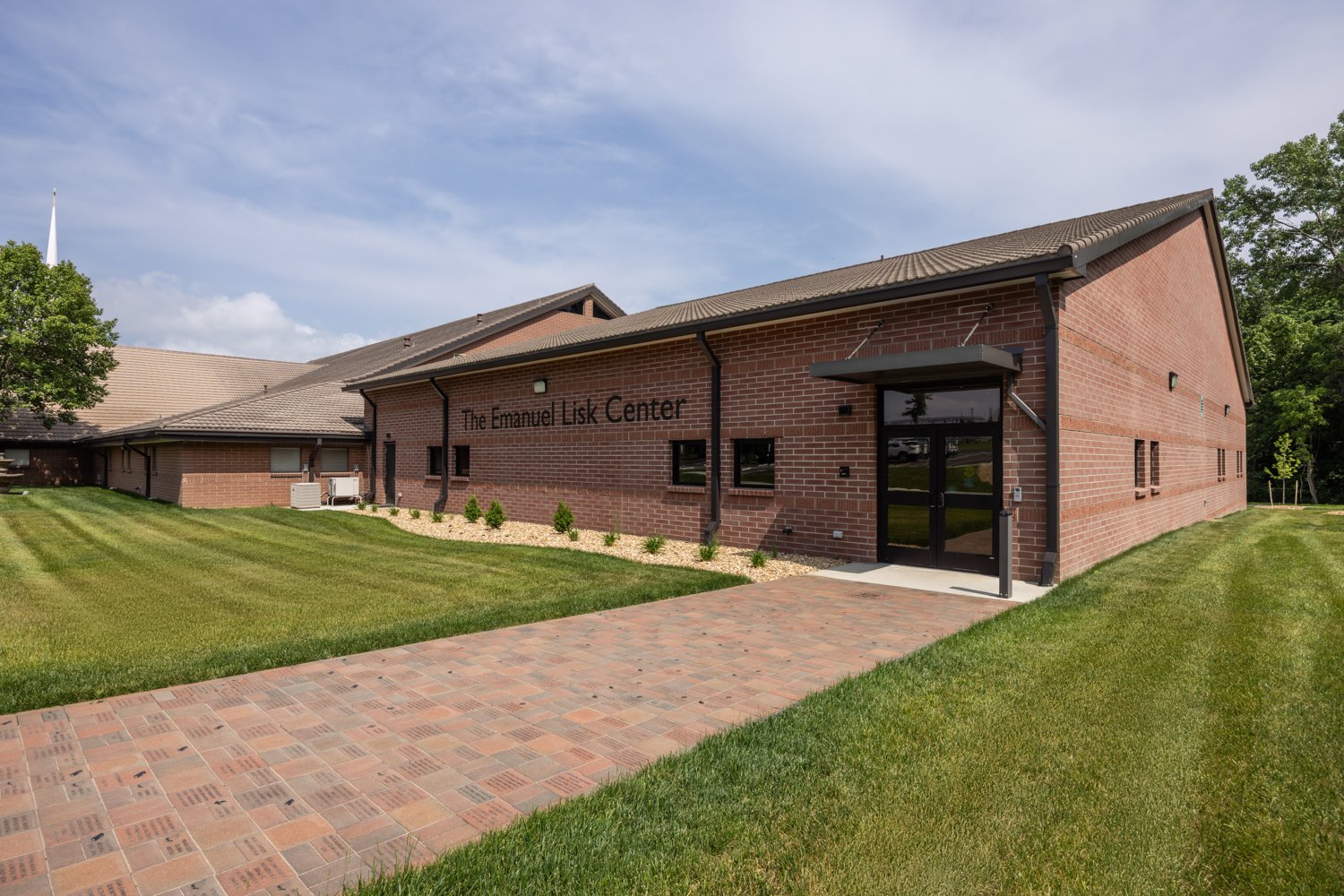
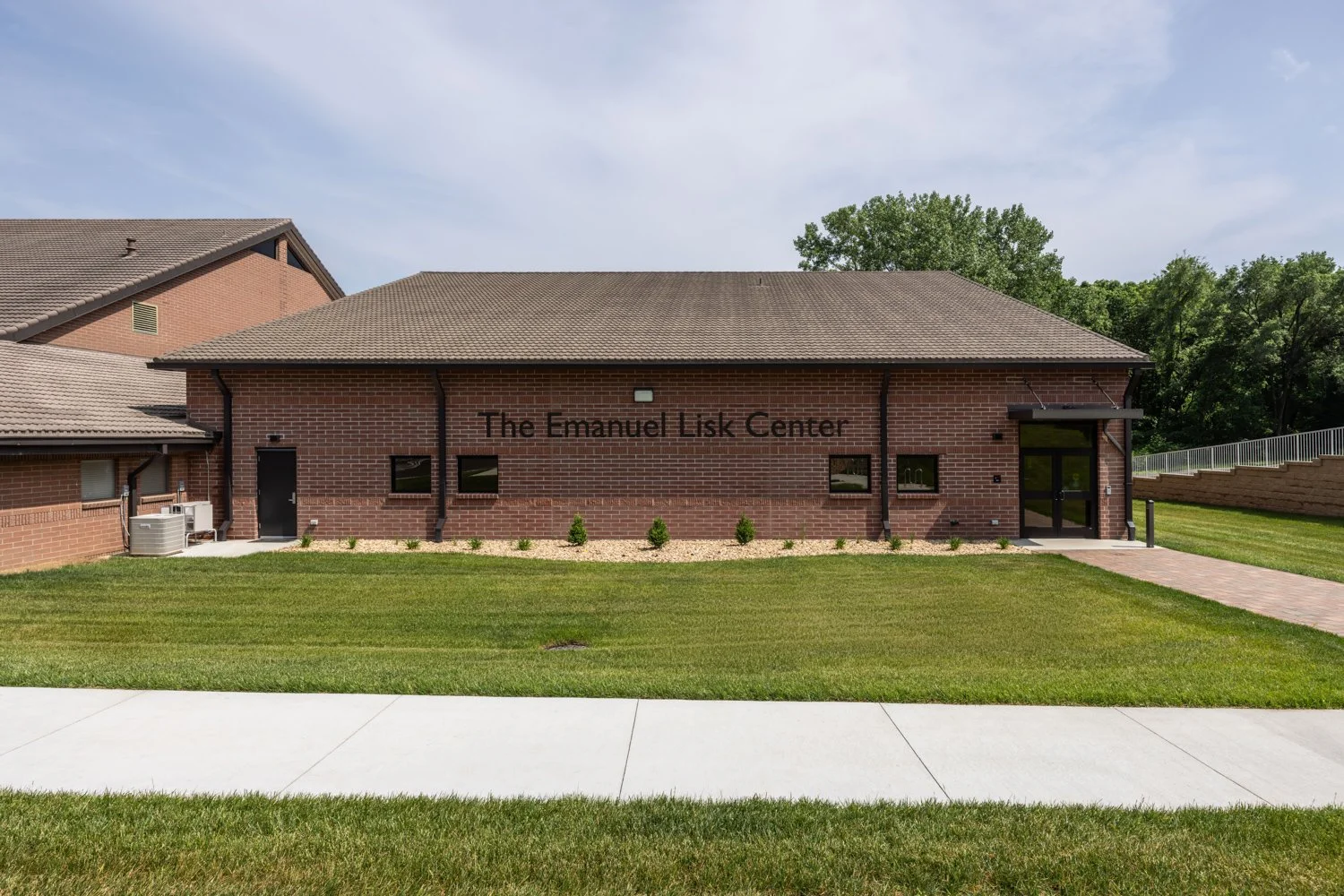
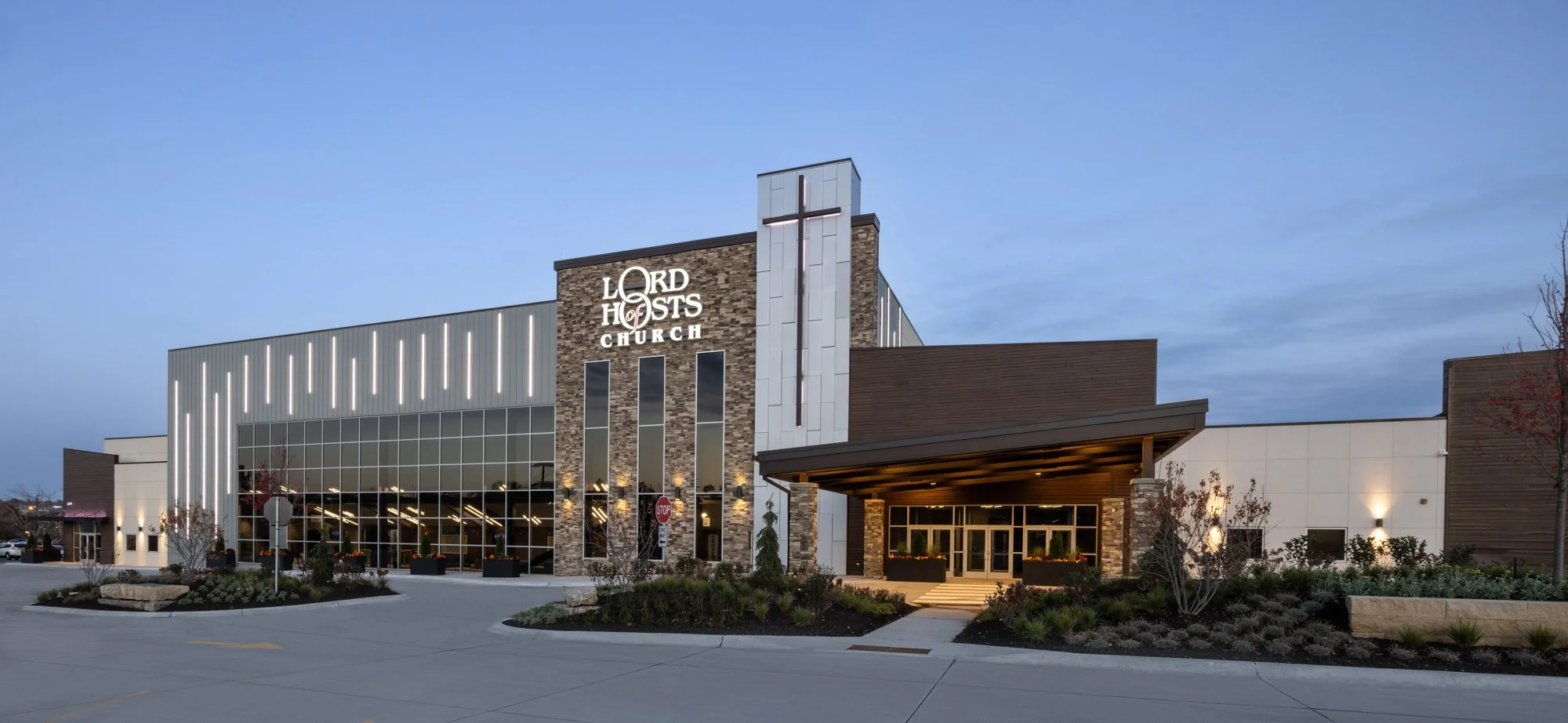
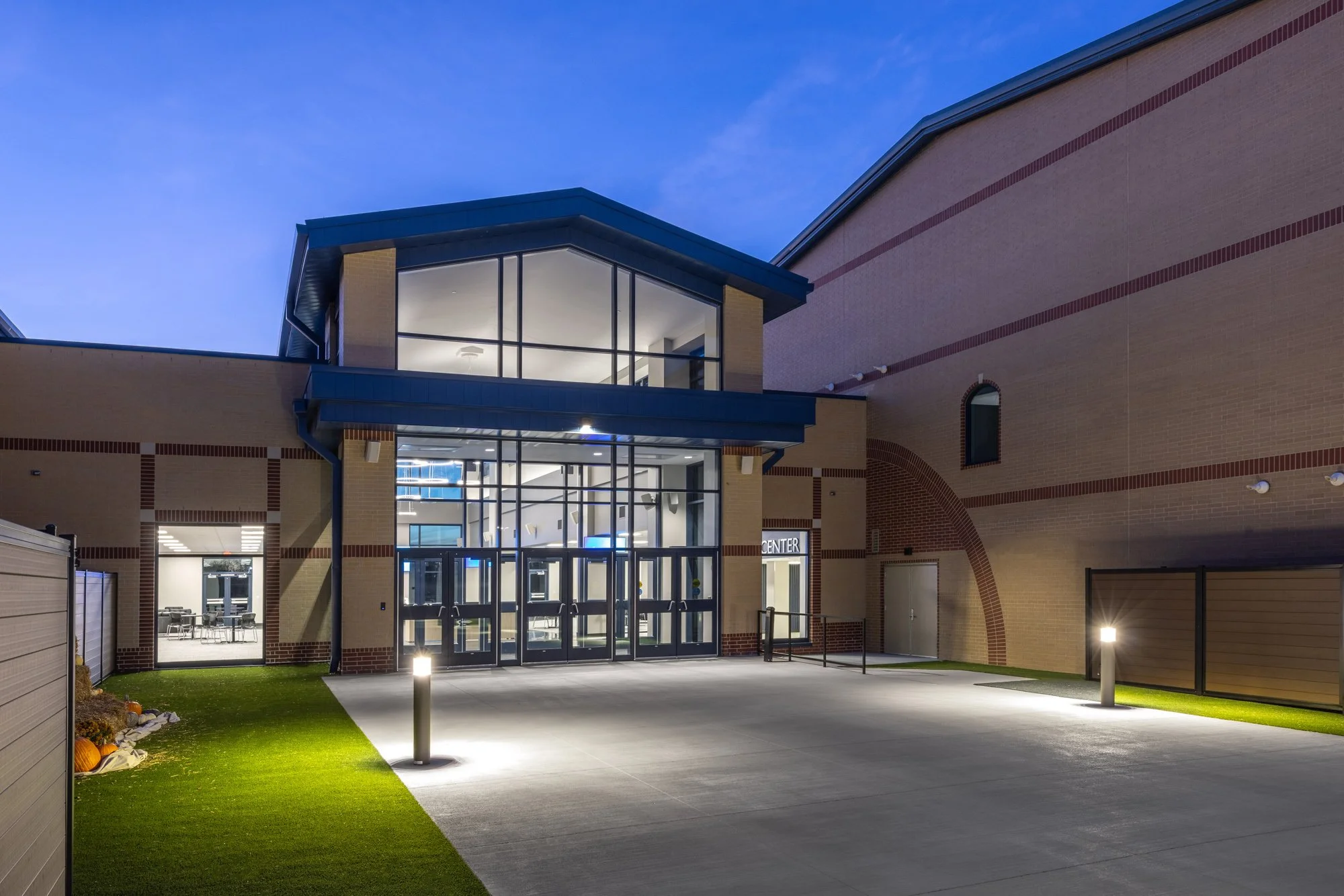
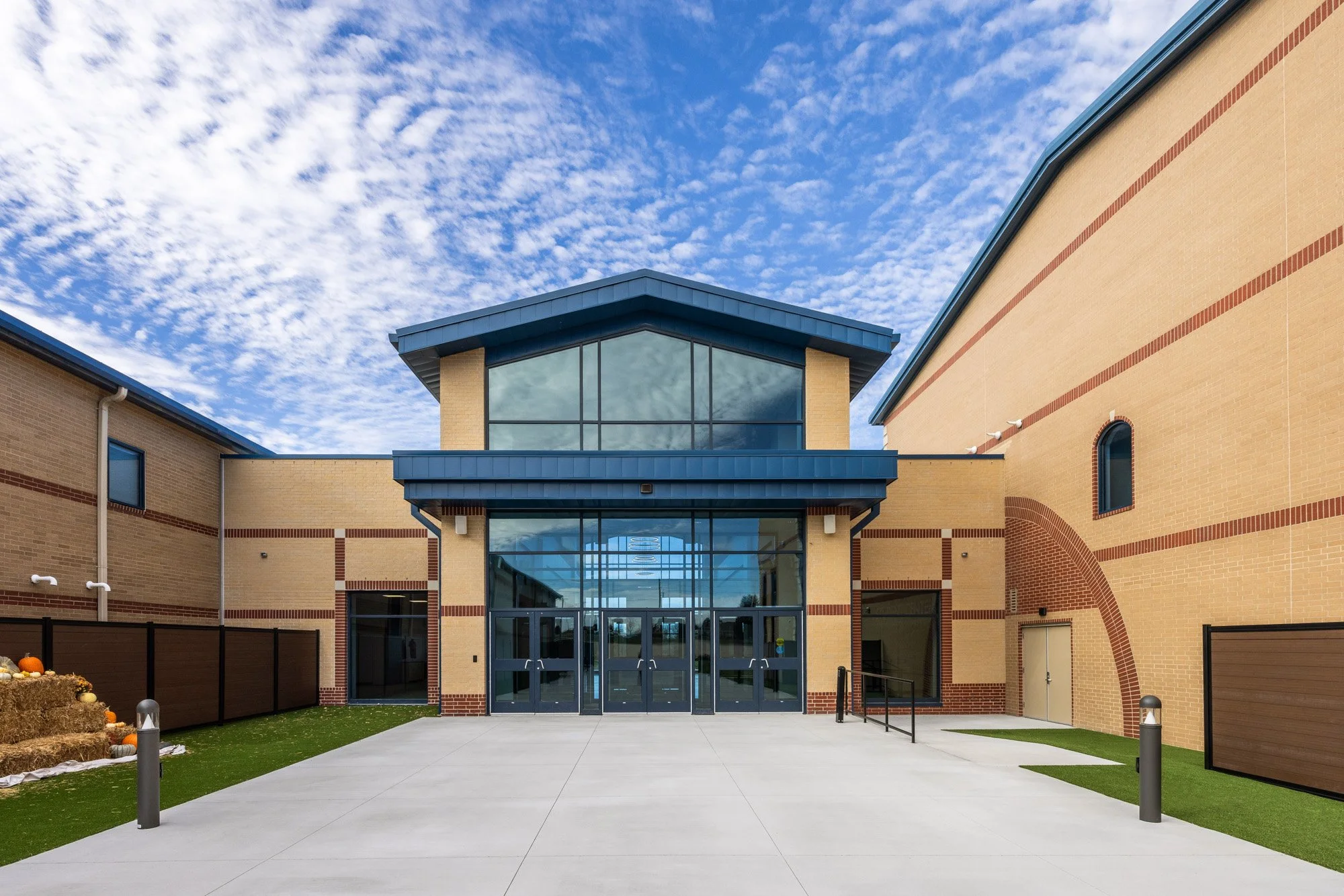
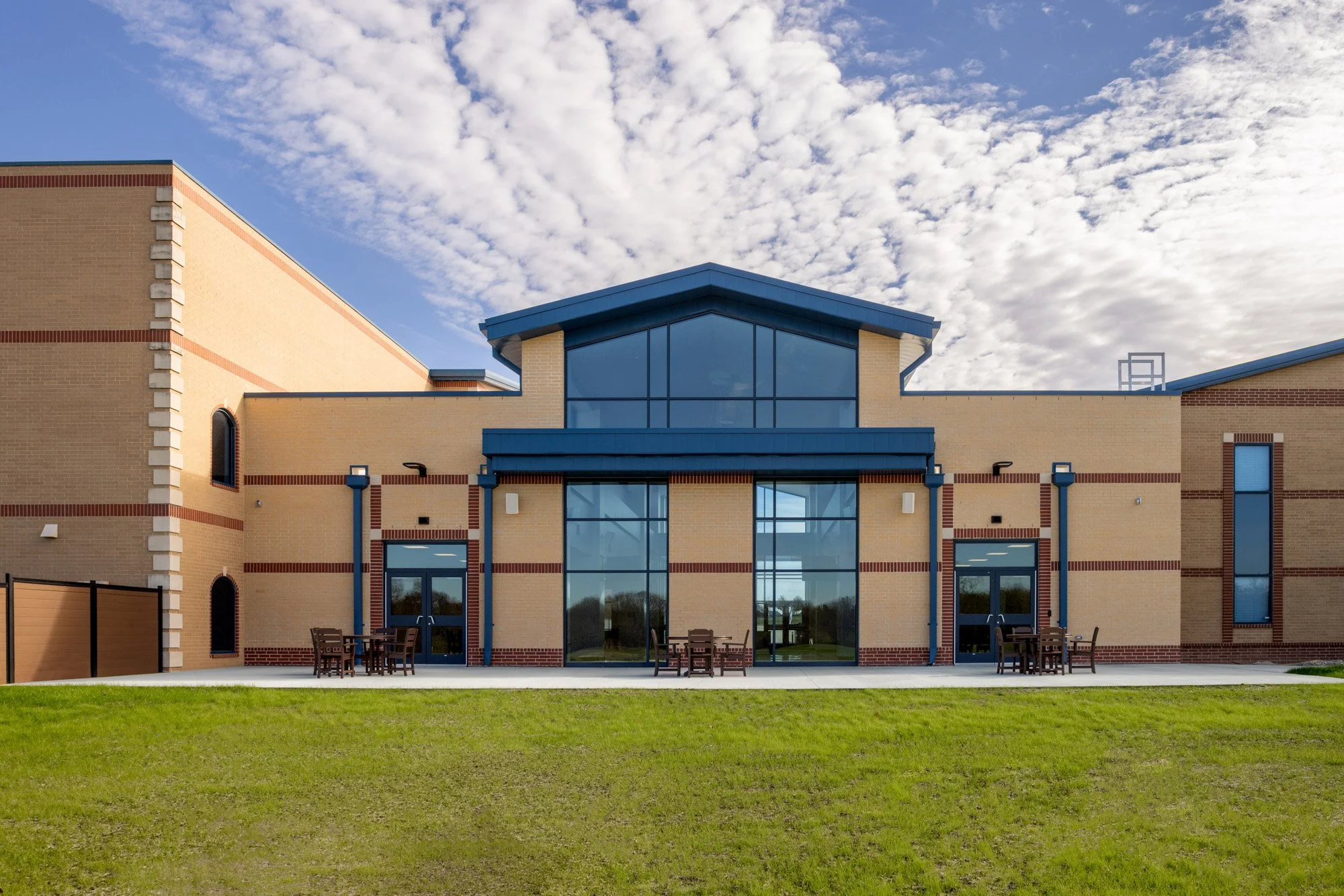
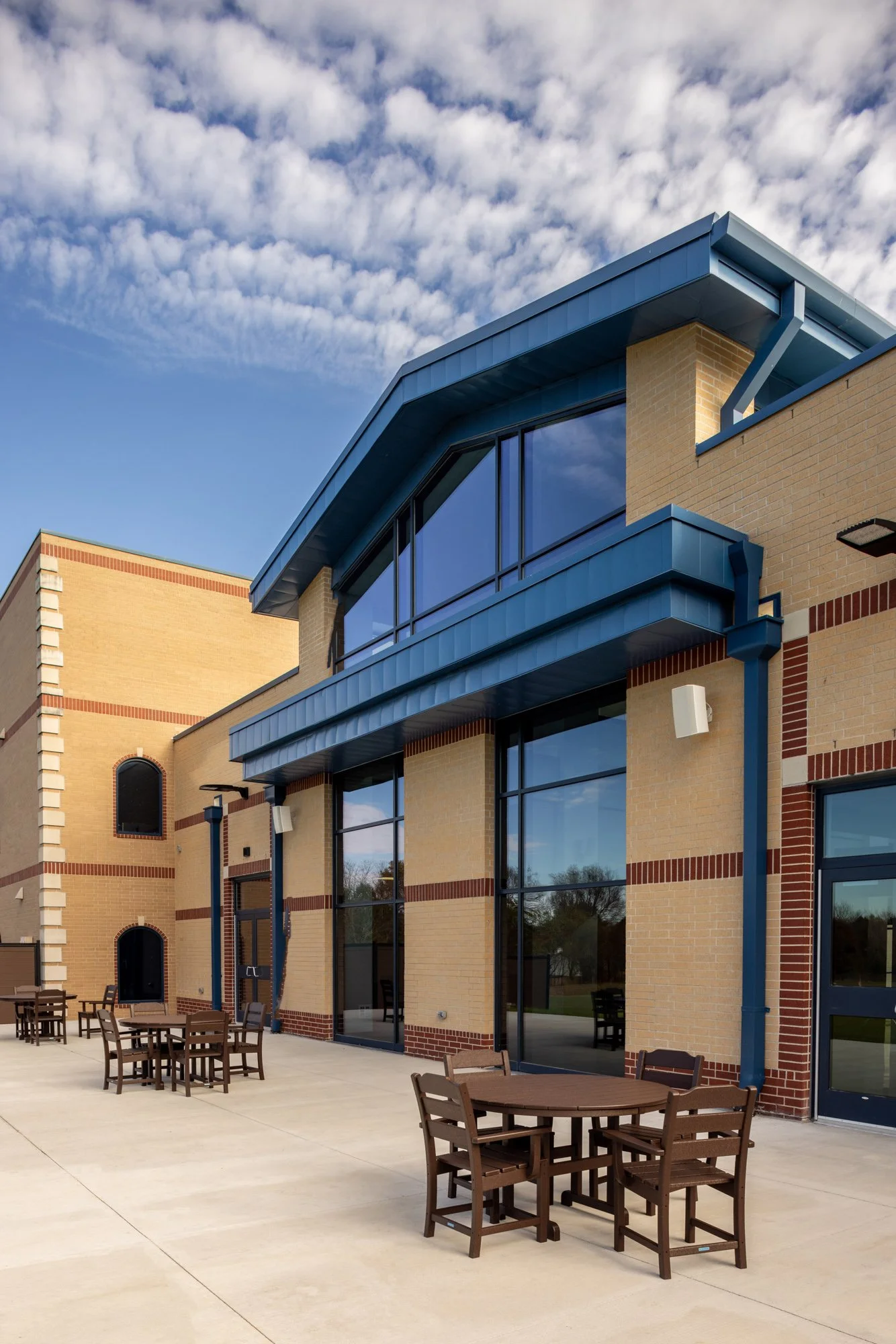
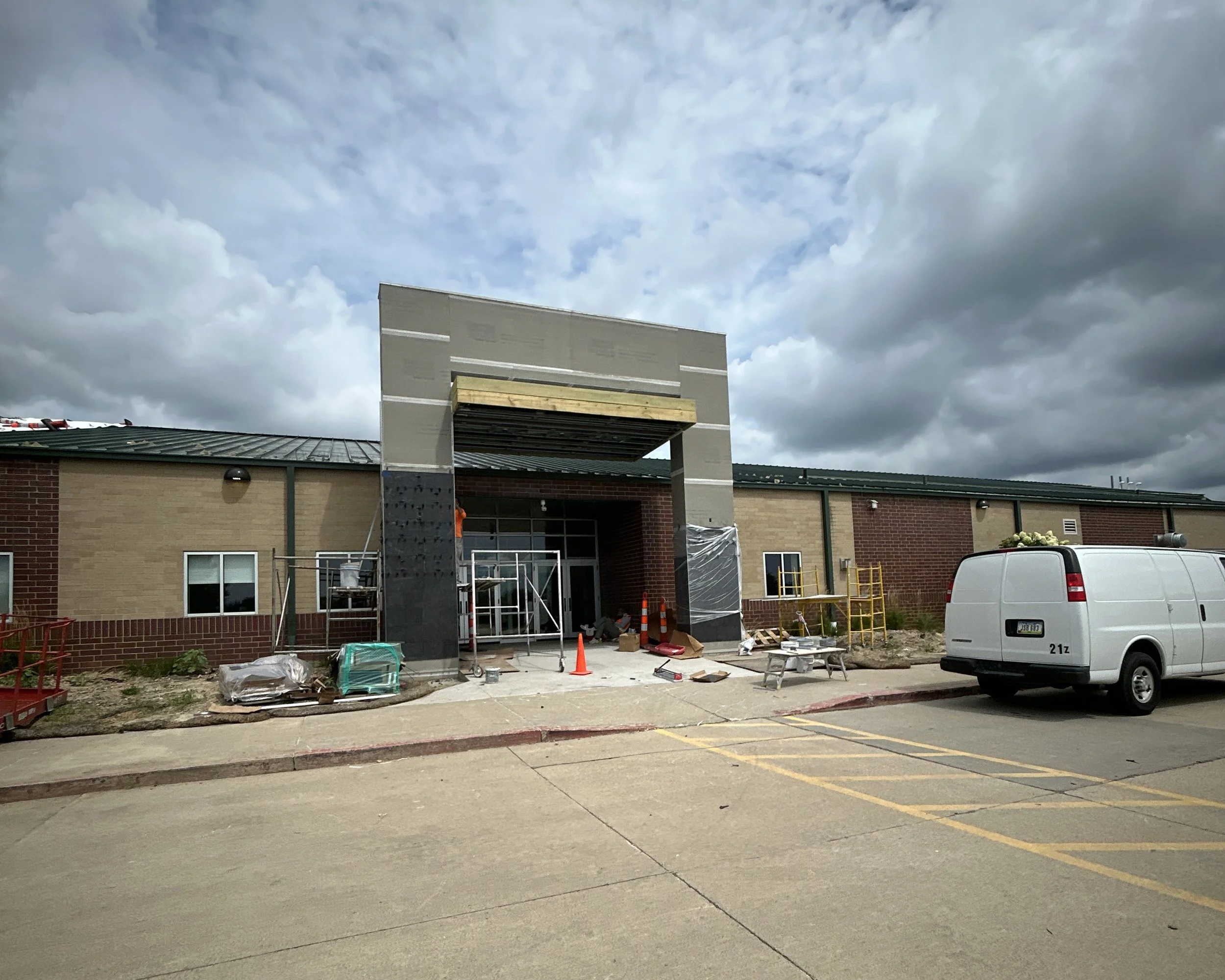
“The existing structure had real limitations,” said Rathsam. “To achieve the ceiling heights, acoustic performance, and technical infrastructure this congregation needed, we determined early that a new freestanding structure was the right path. But it couldn’t feel like a separate building. It needed to connect to the existing campus, both physically and visually, so the entire property reads as one cohesive facility.”
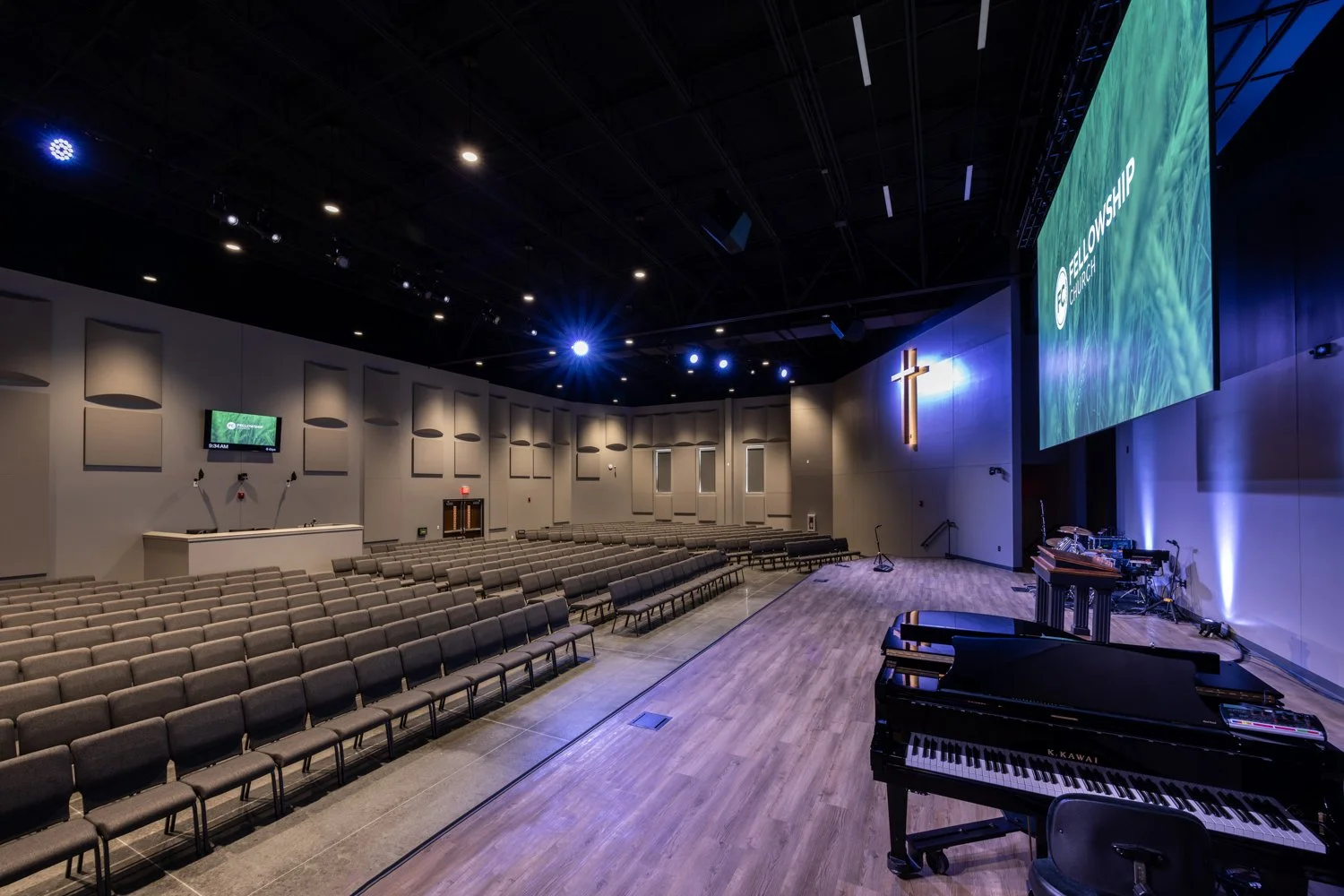
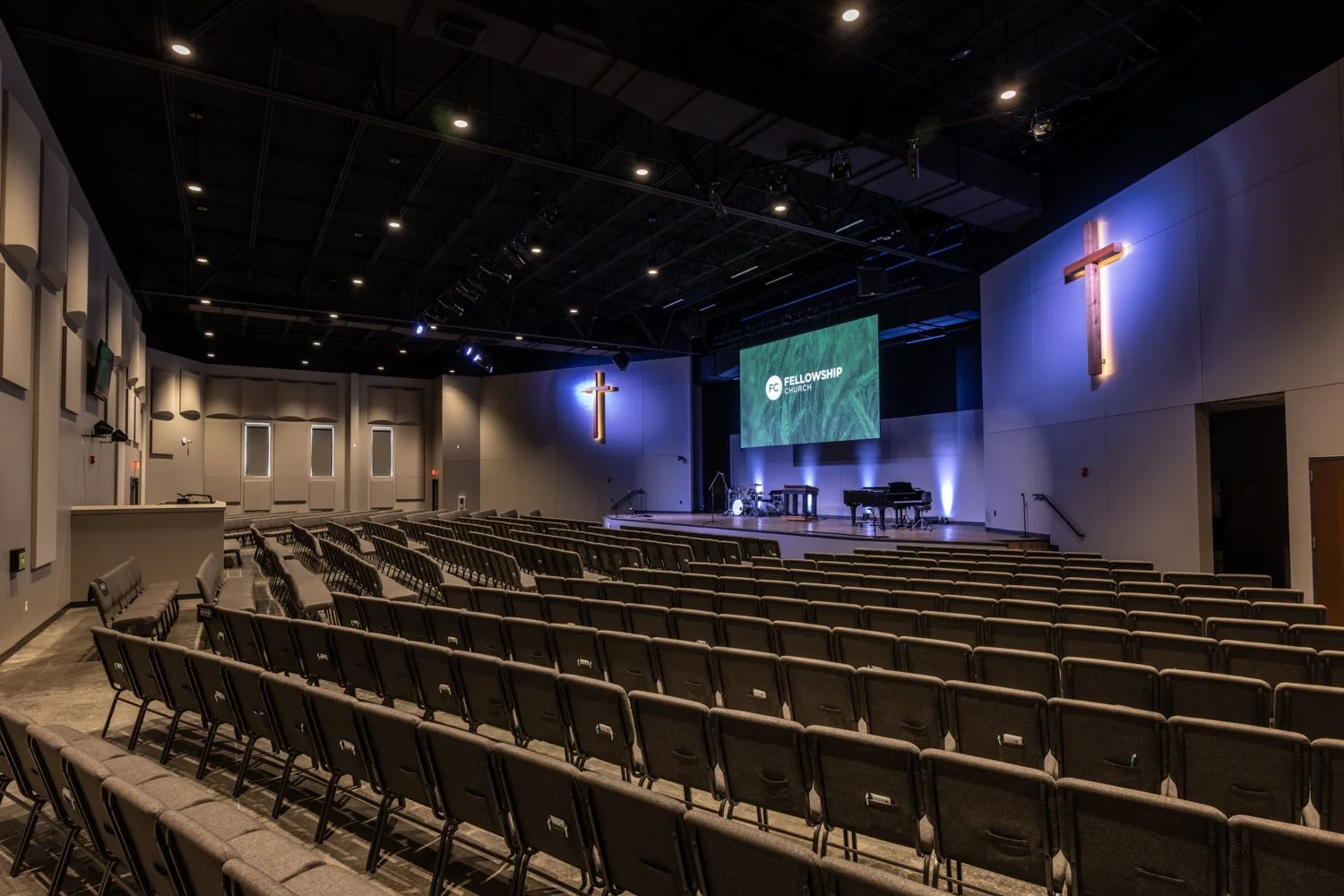
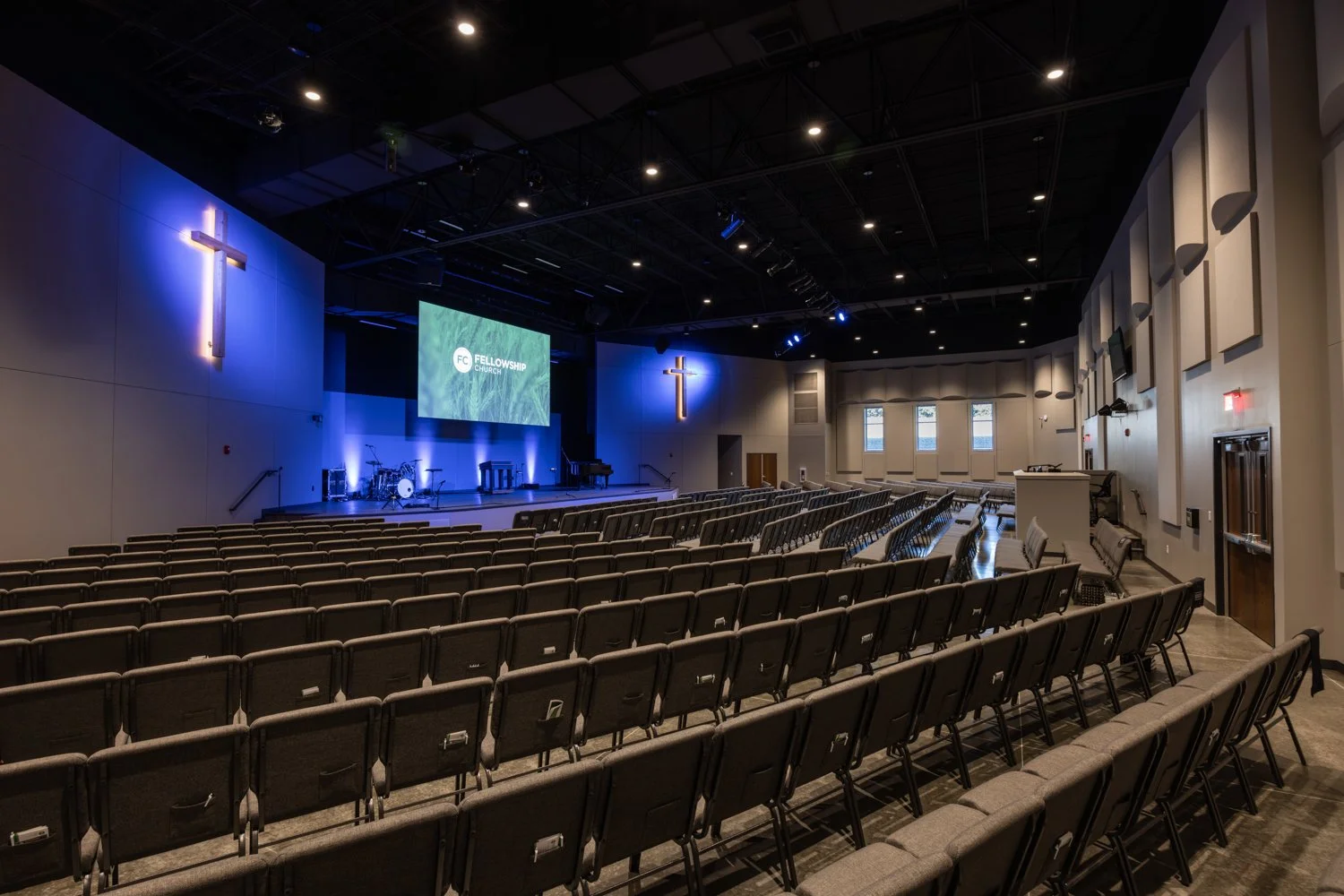
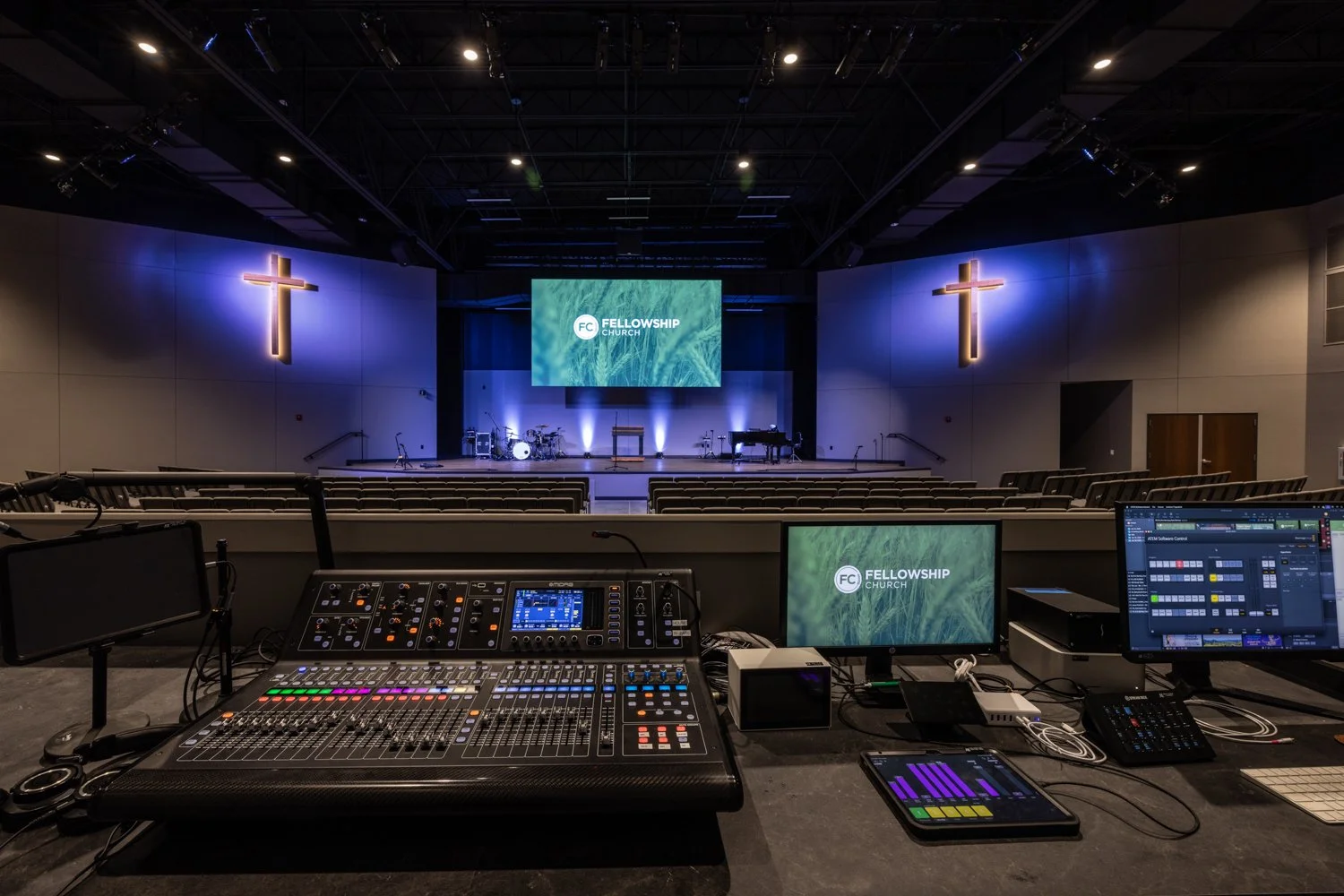
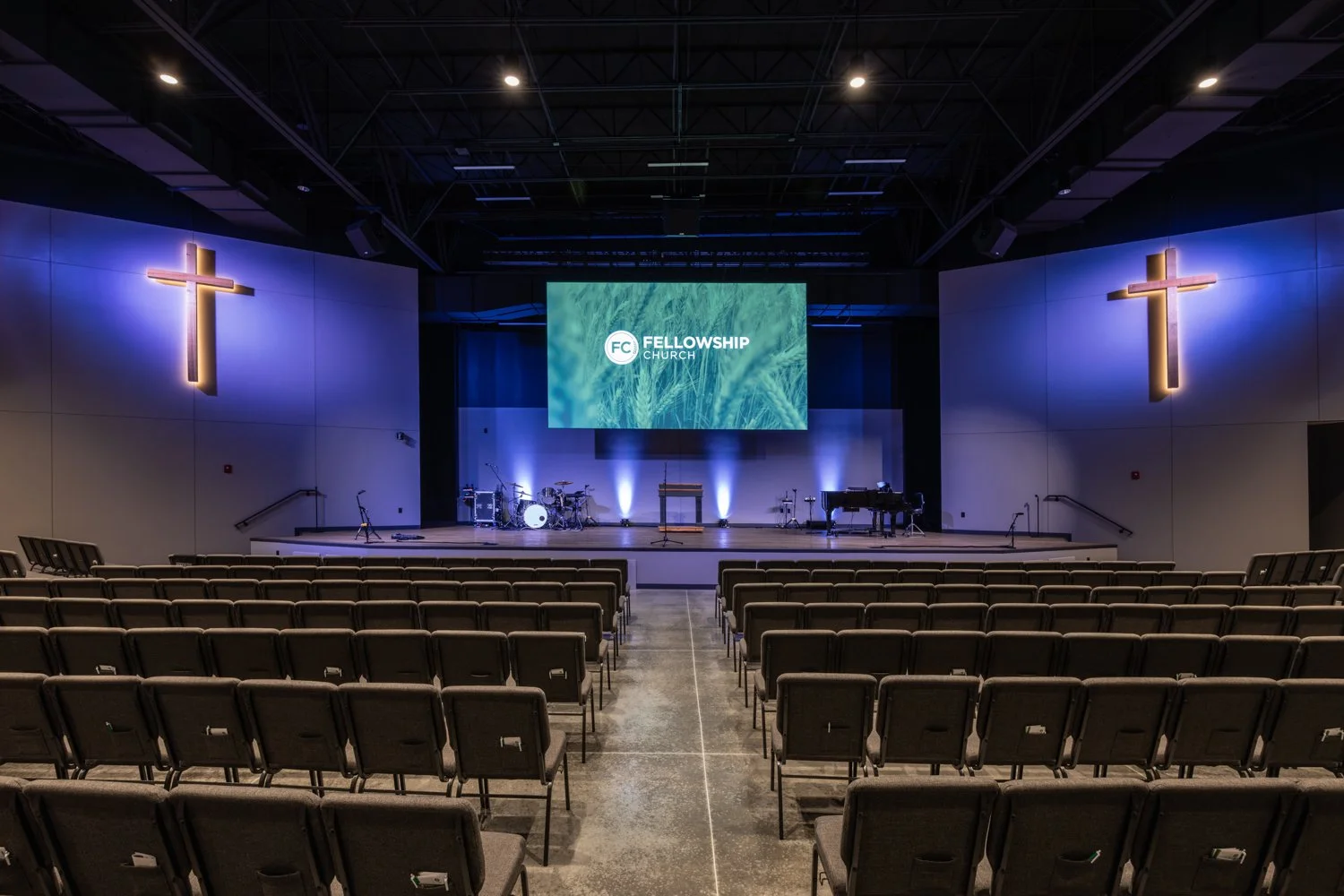
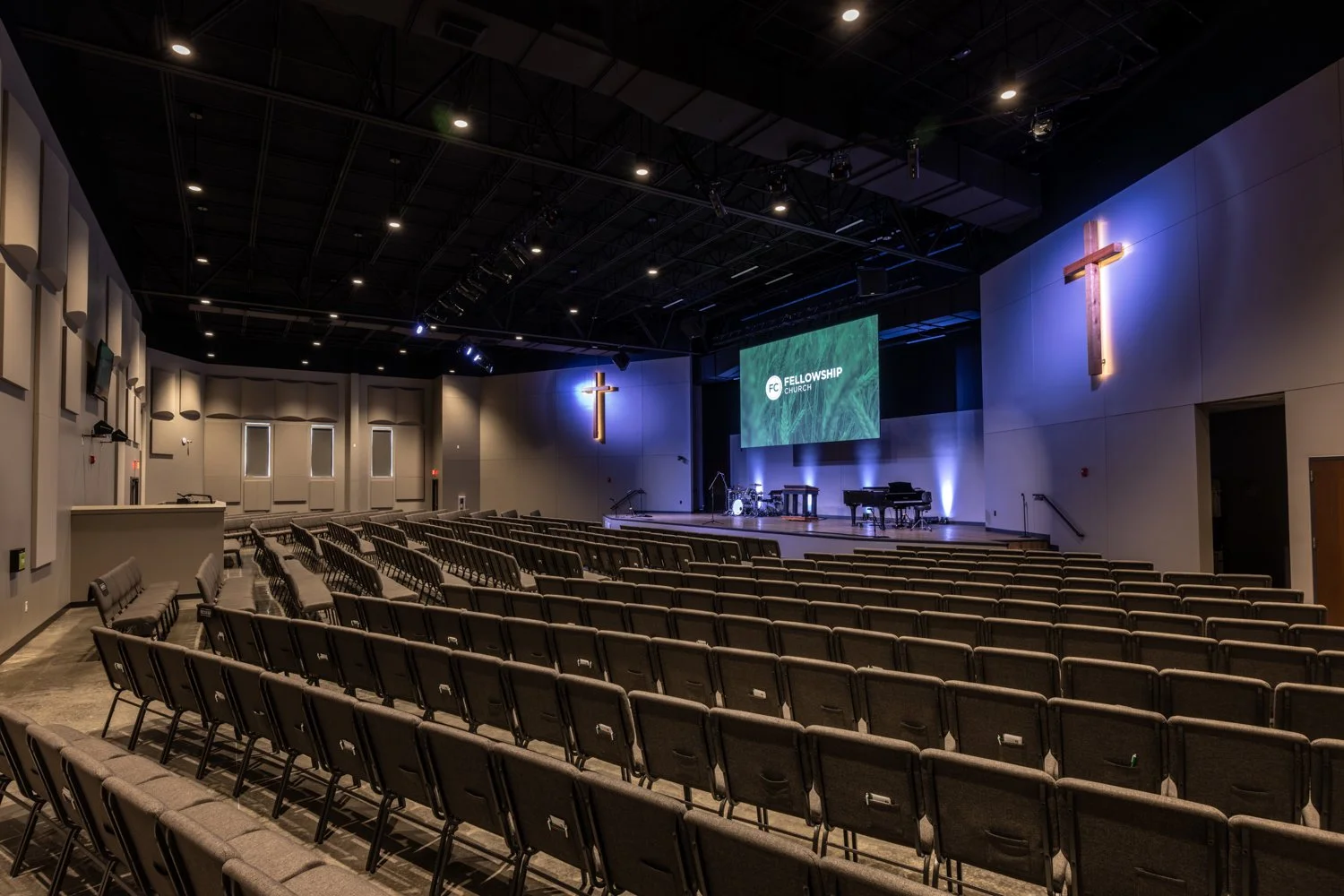
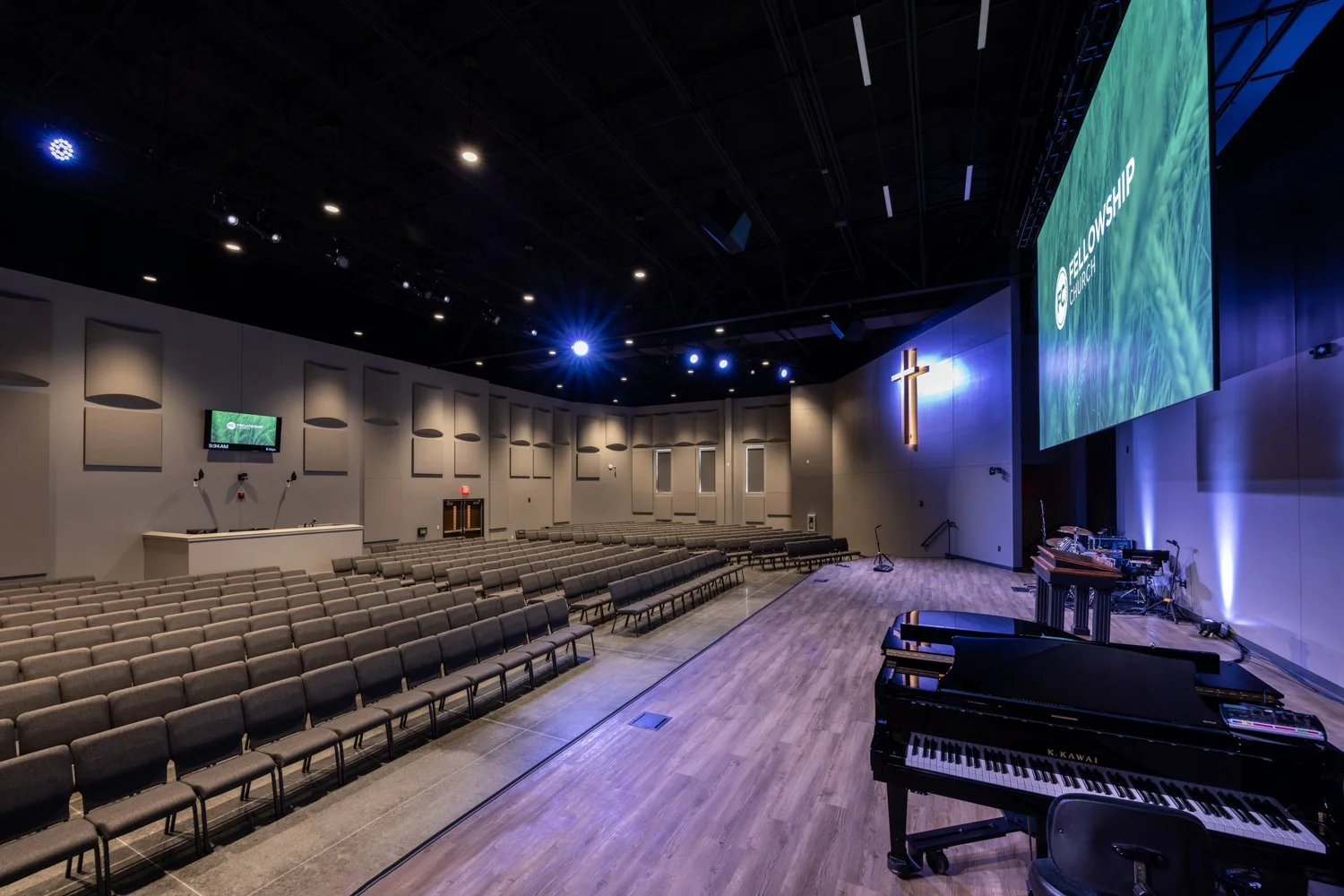
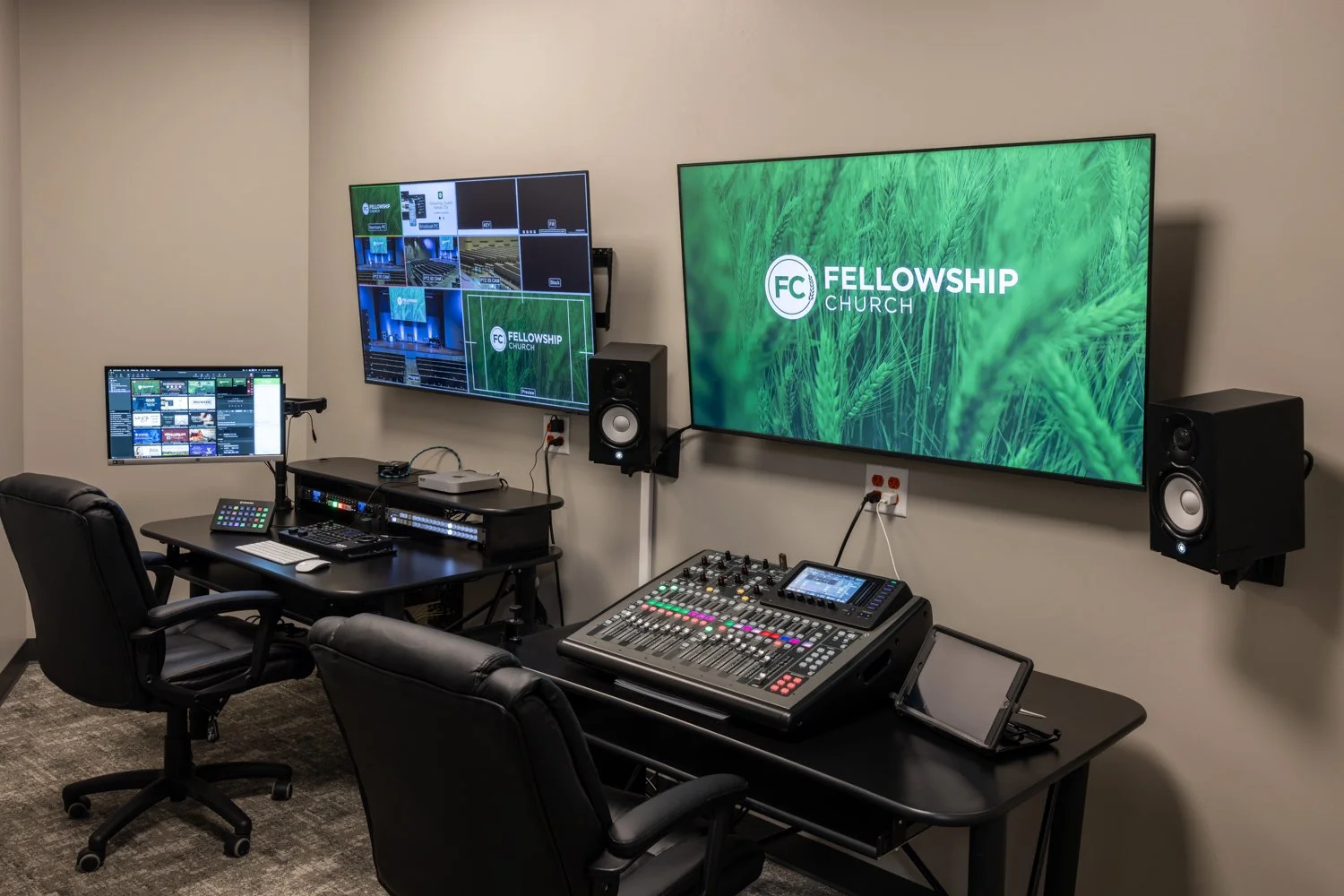
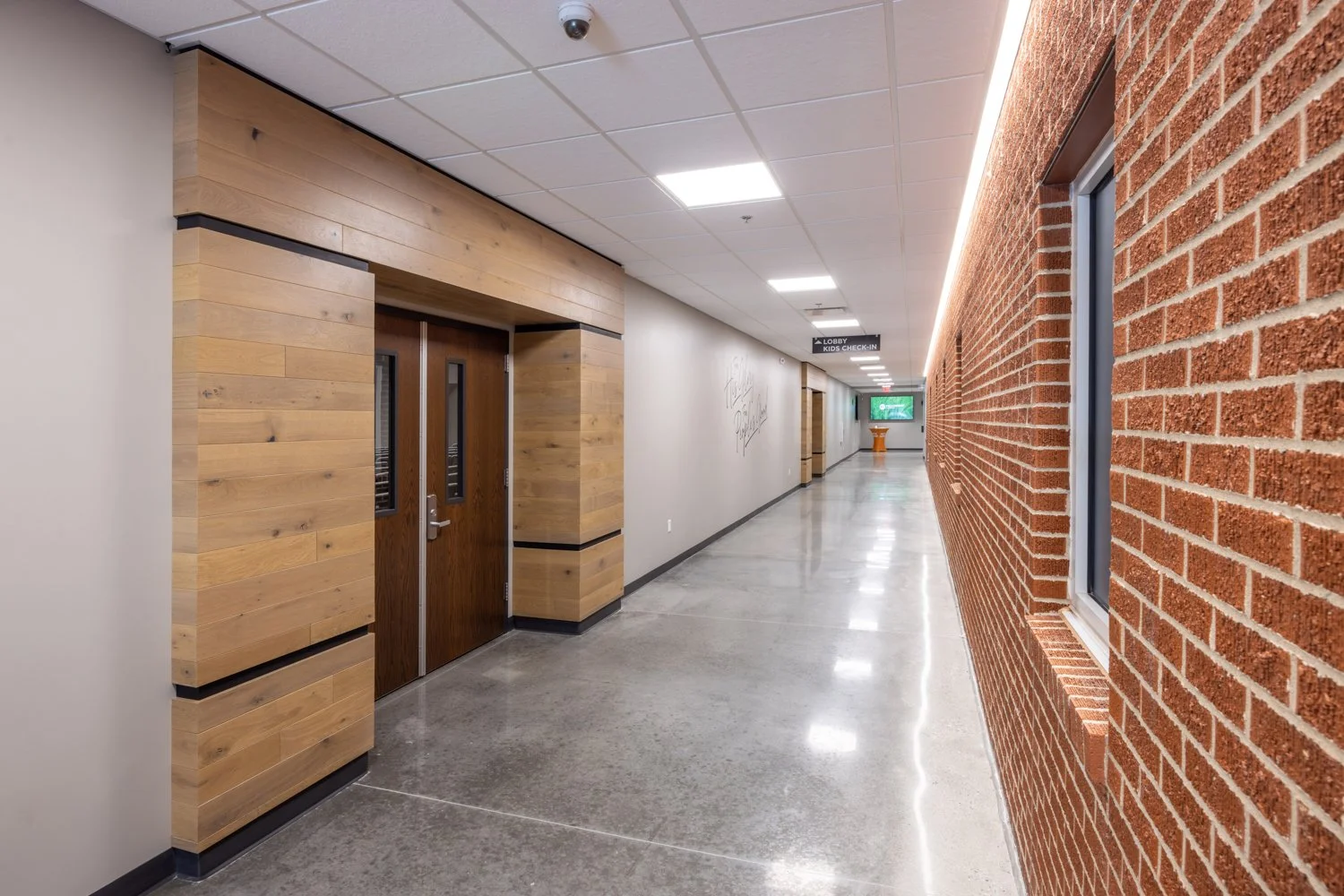
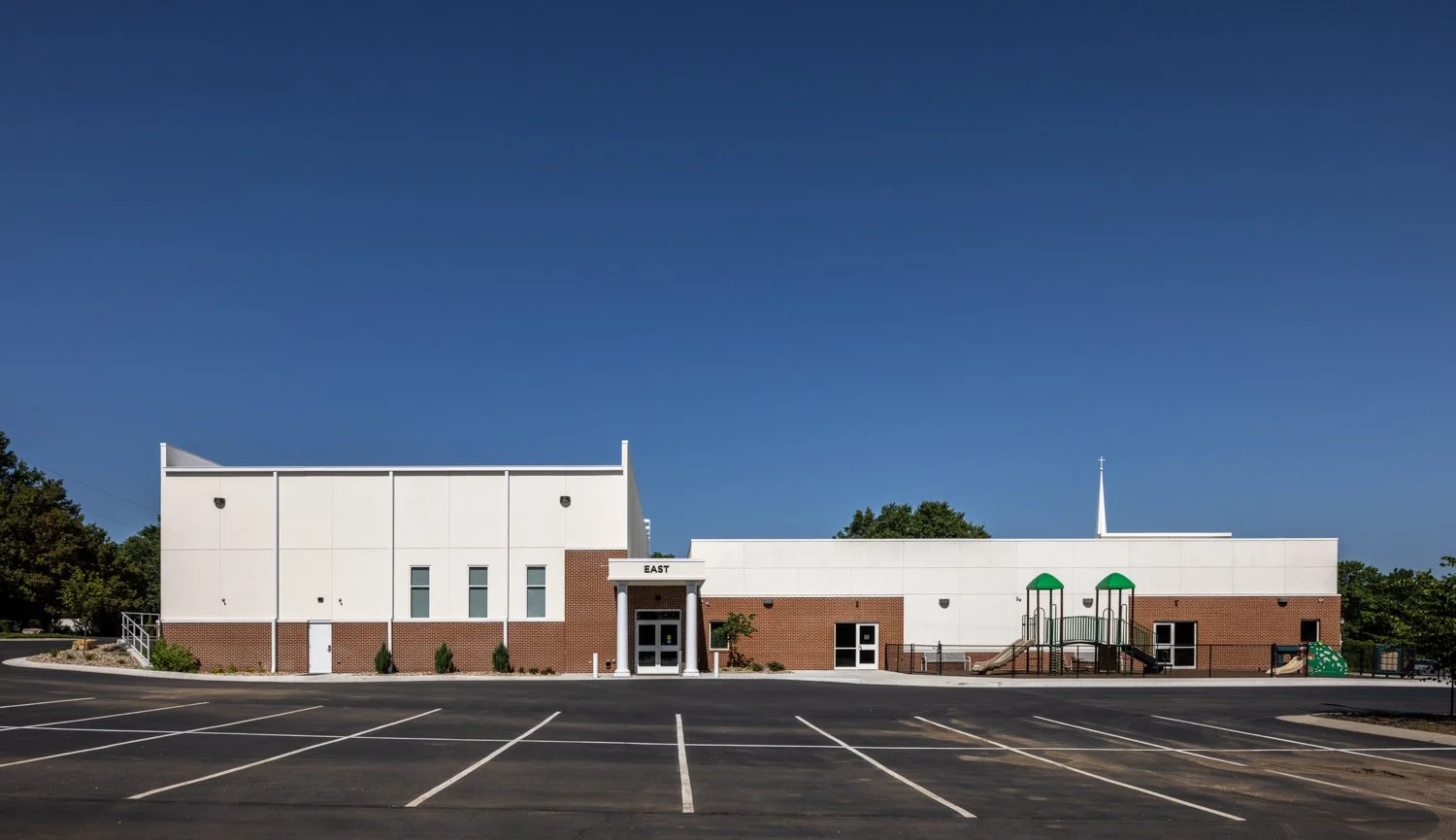
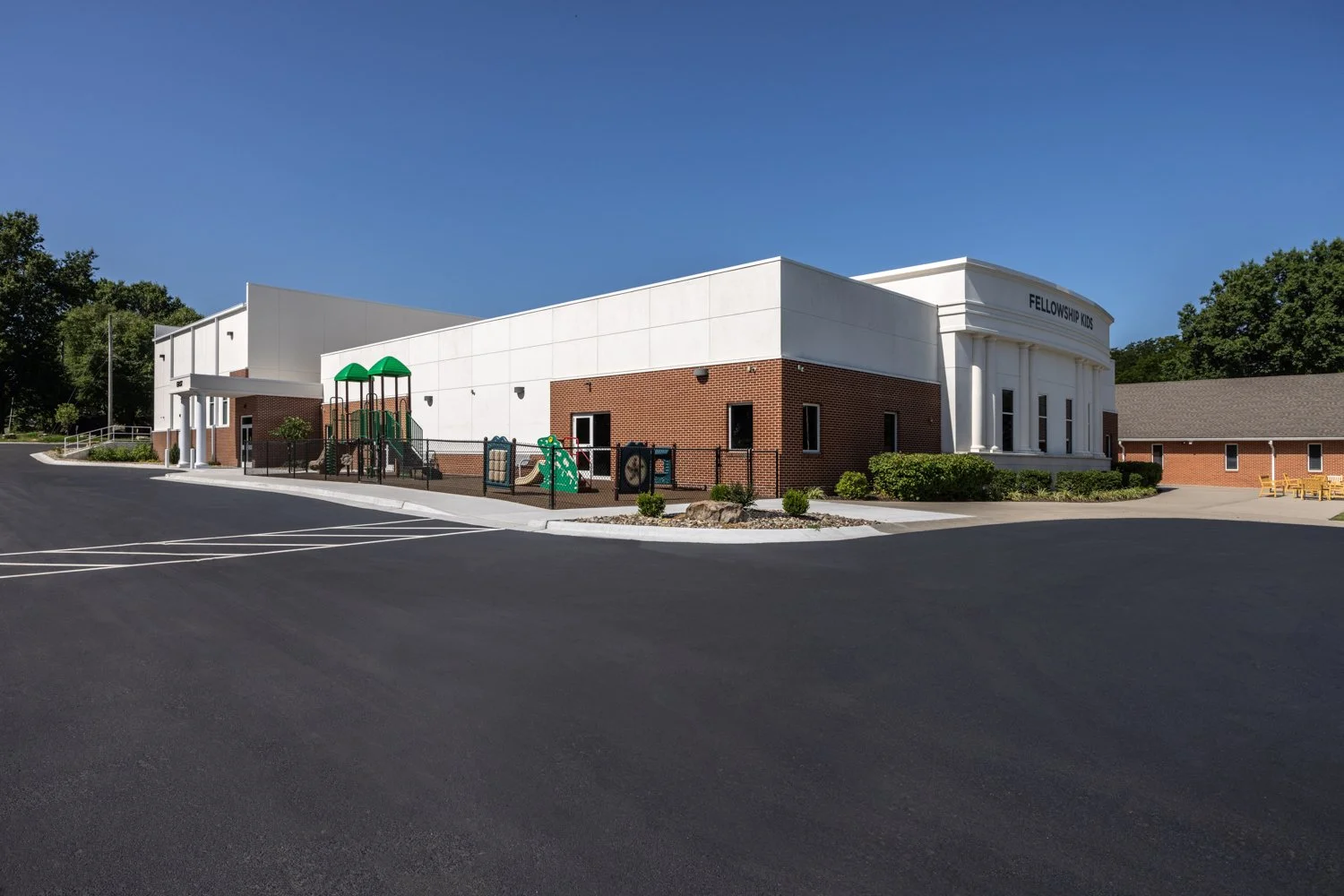
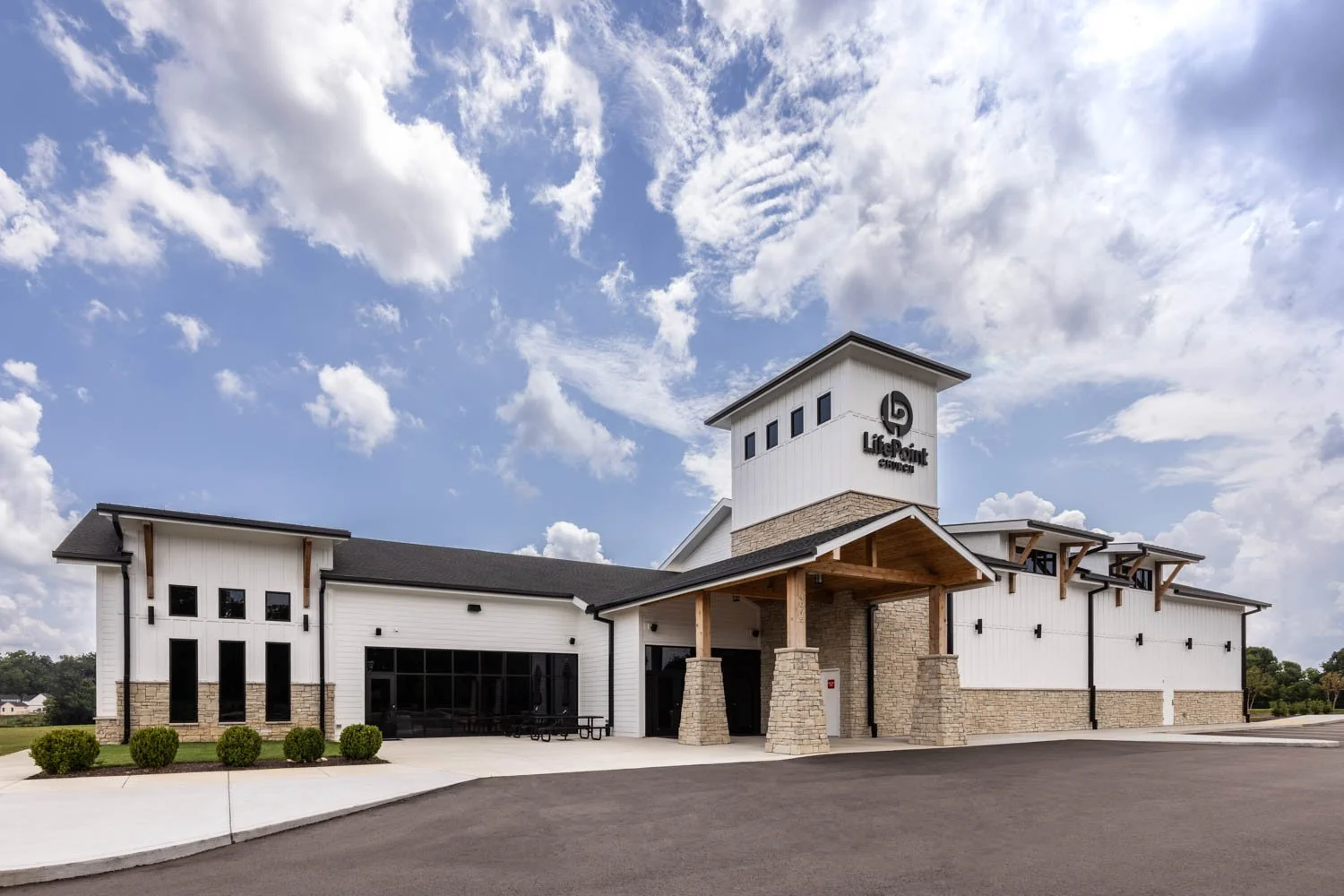
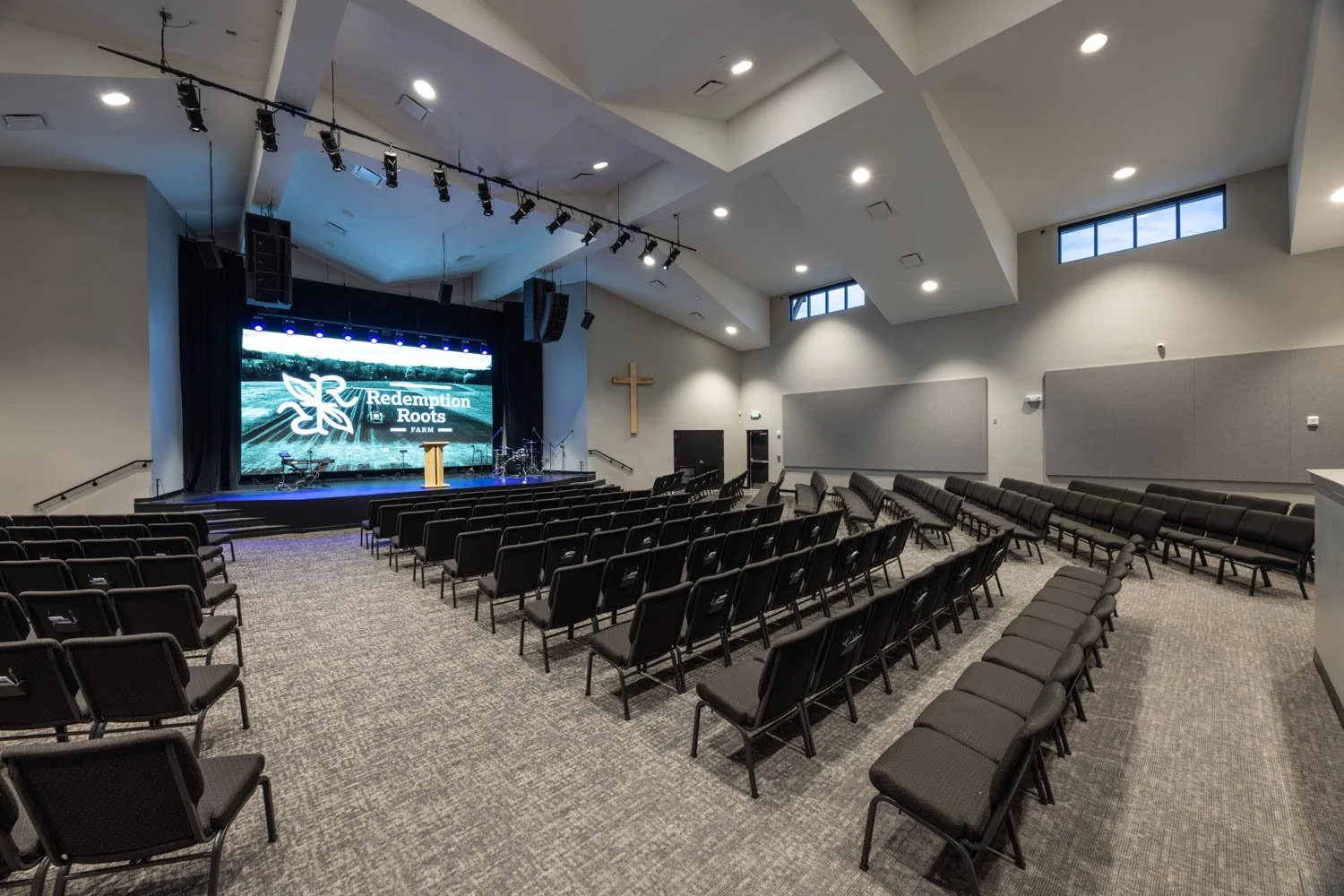
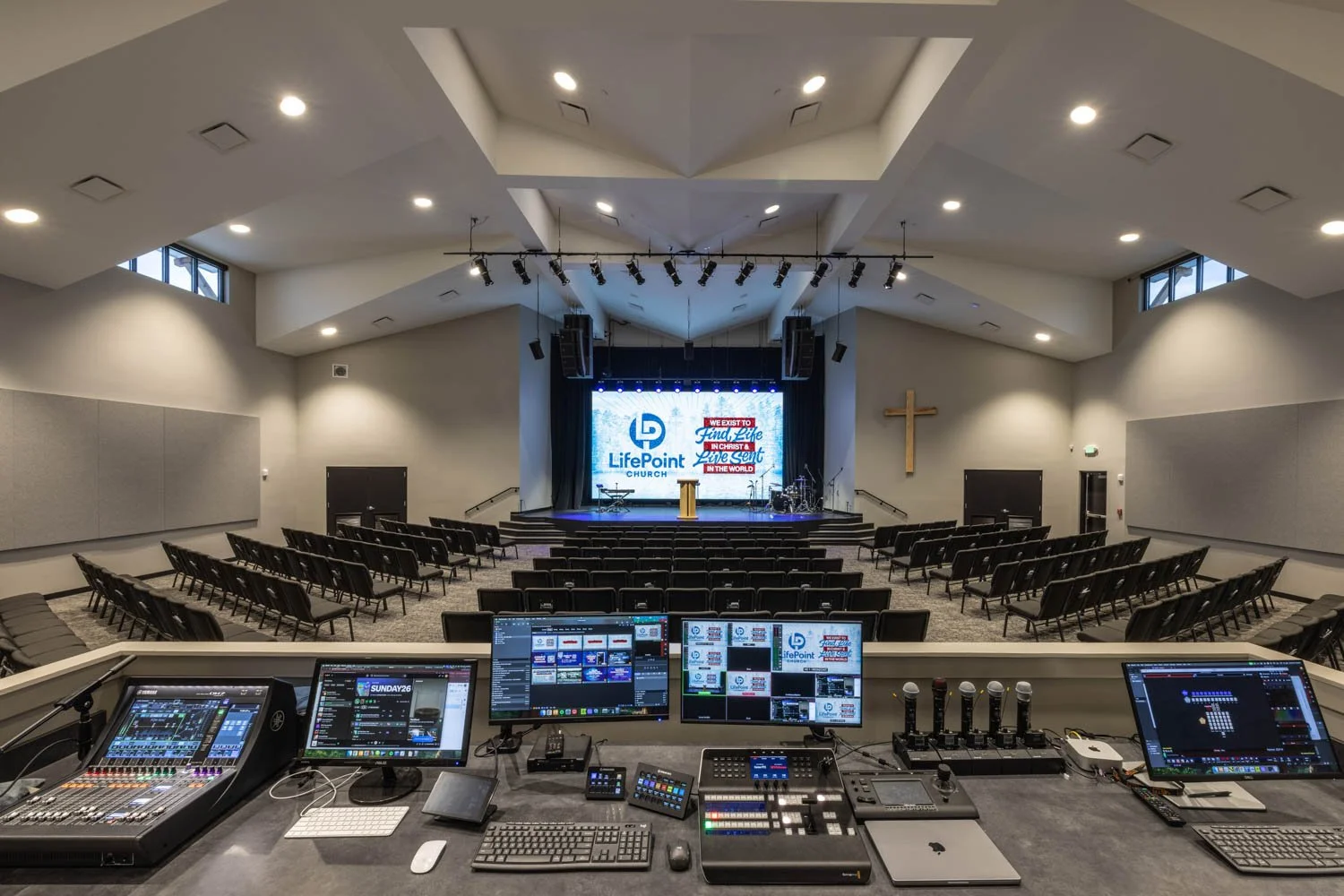
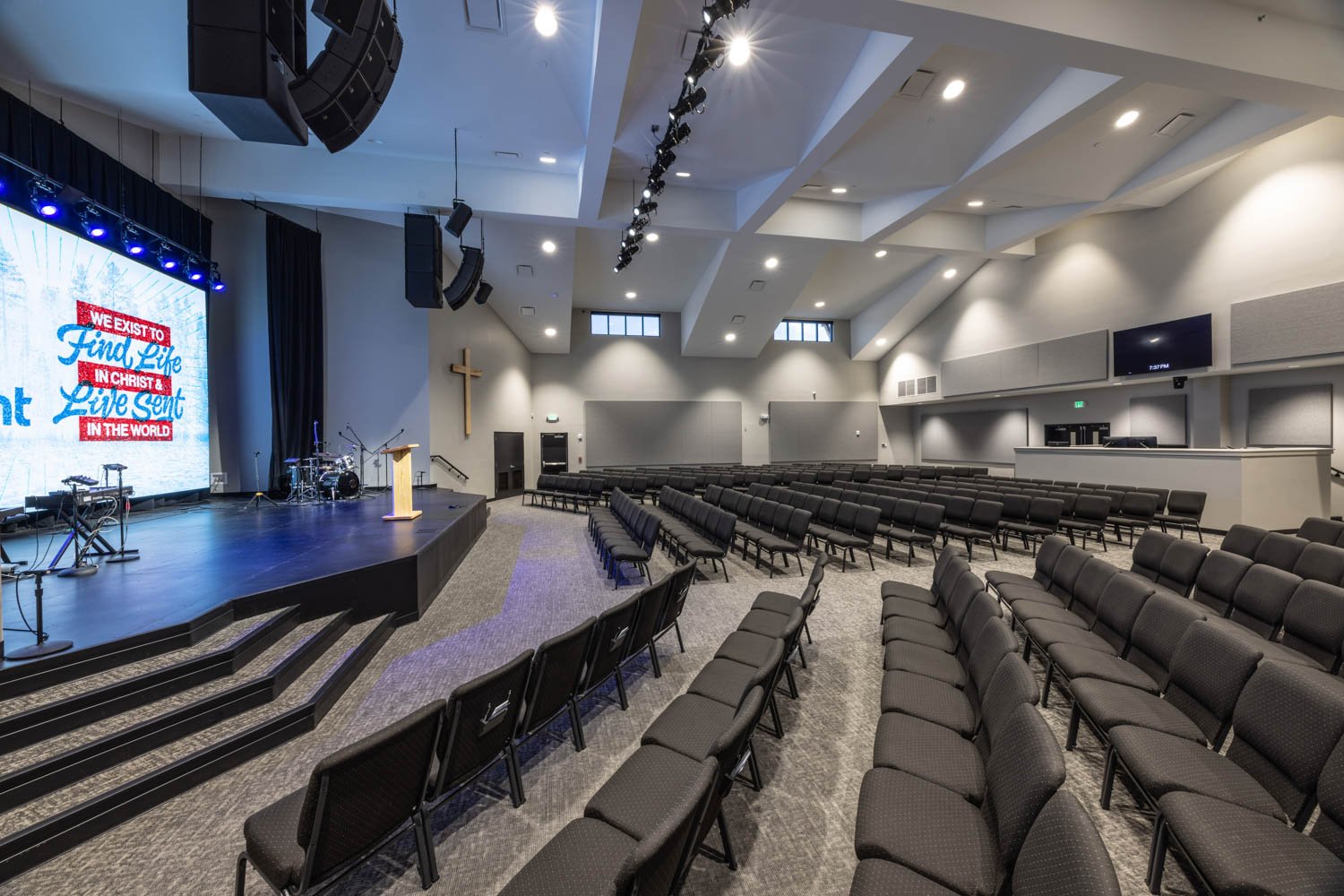
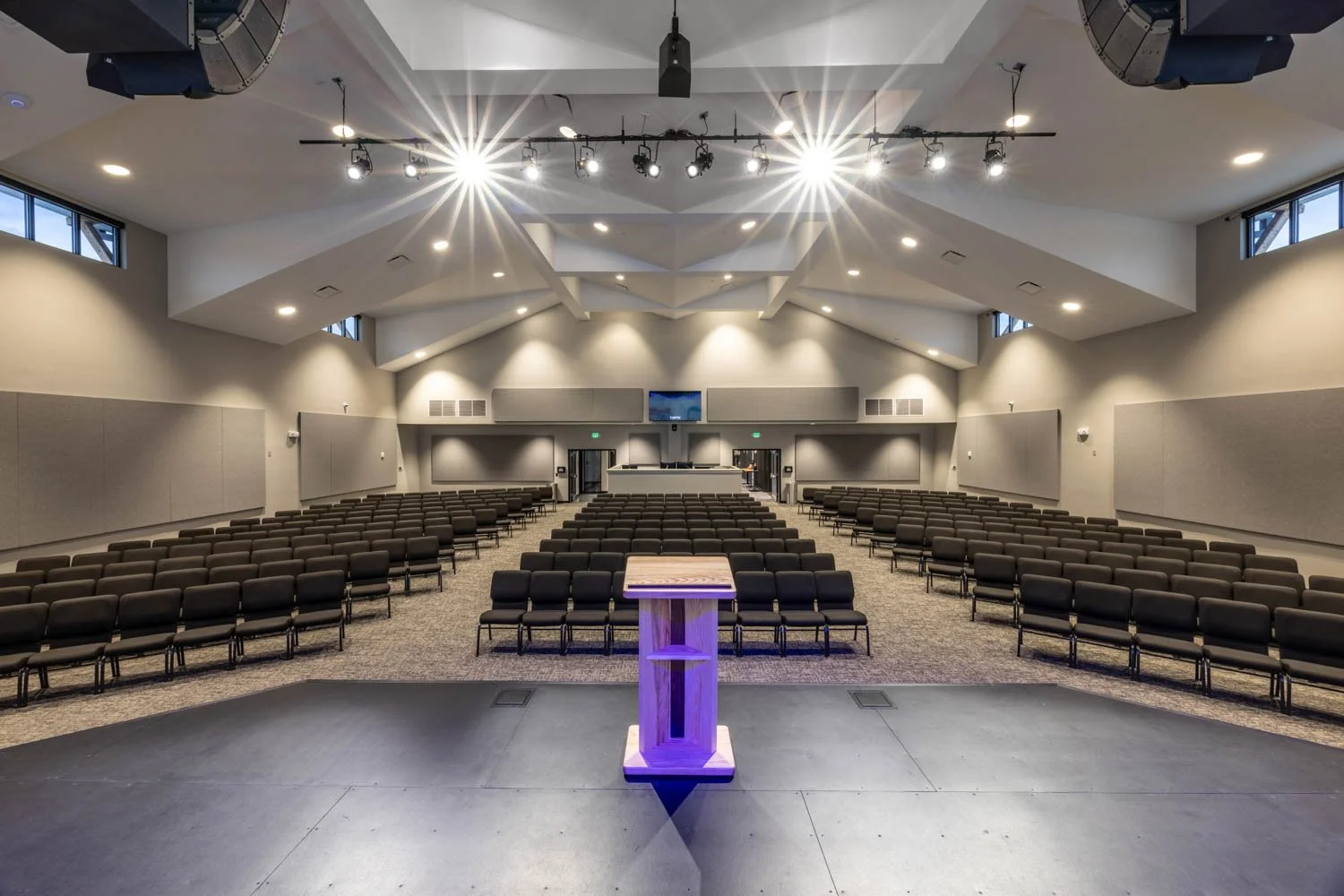
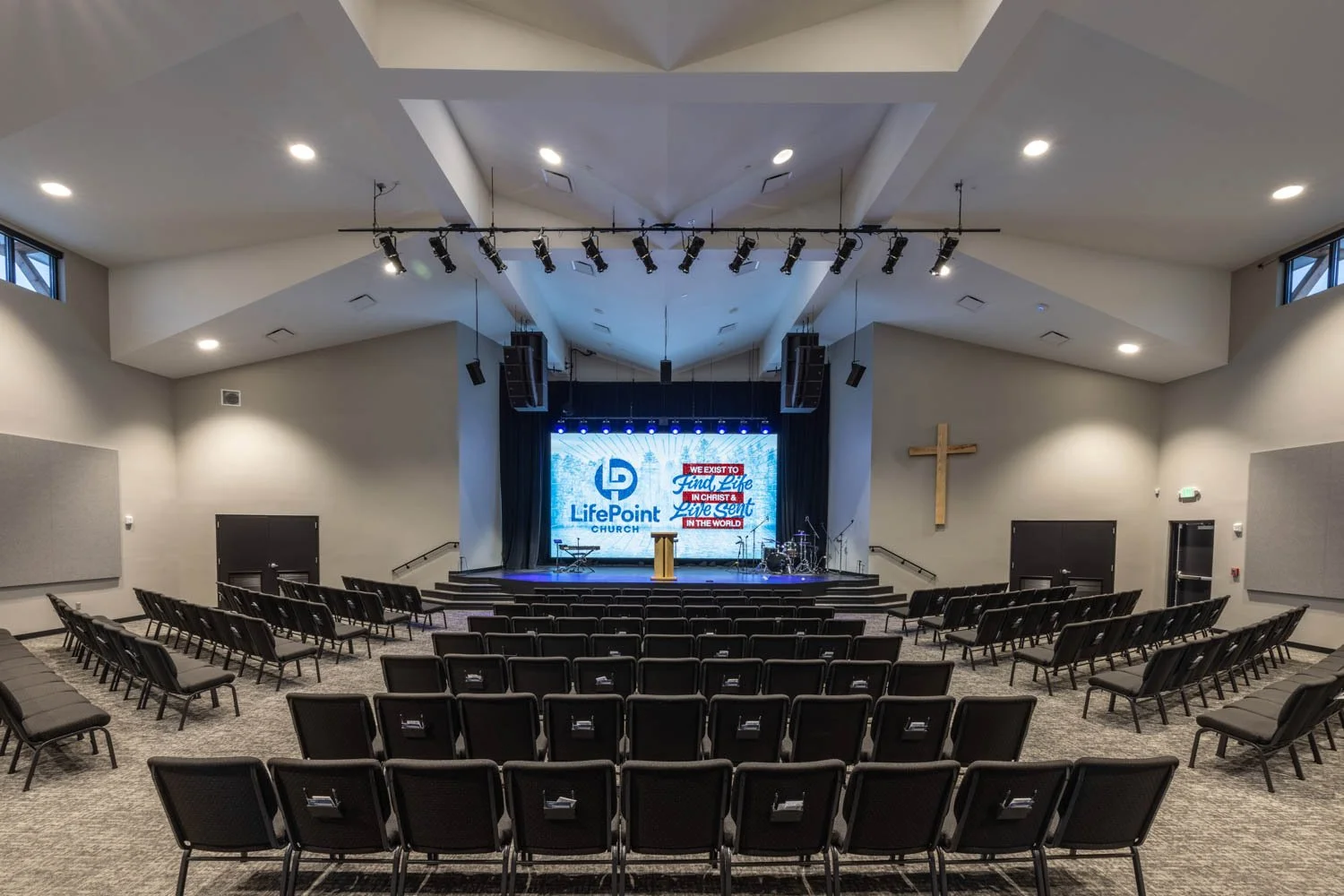
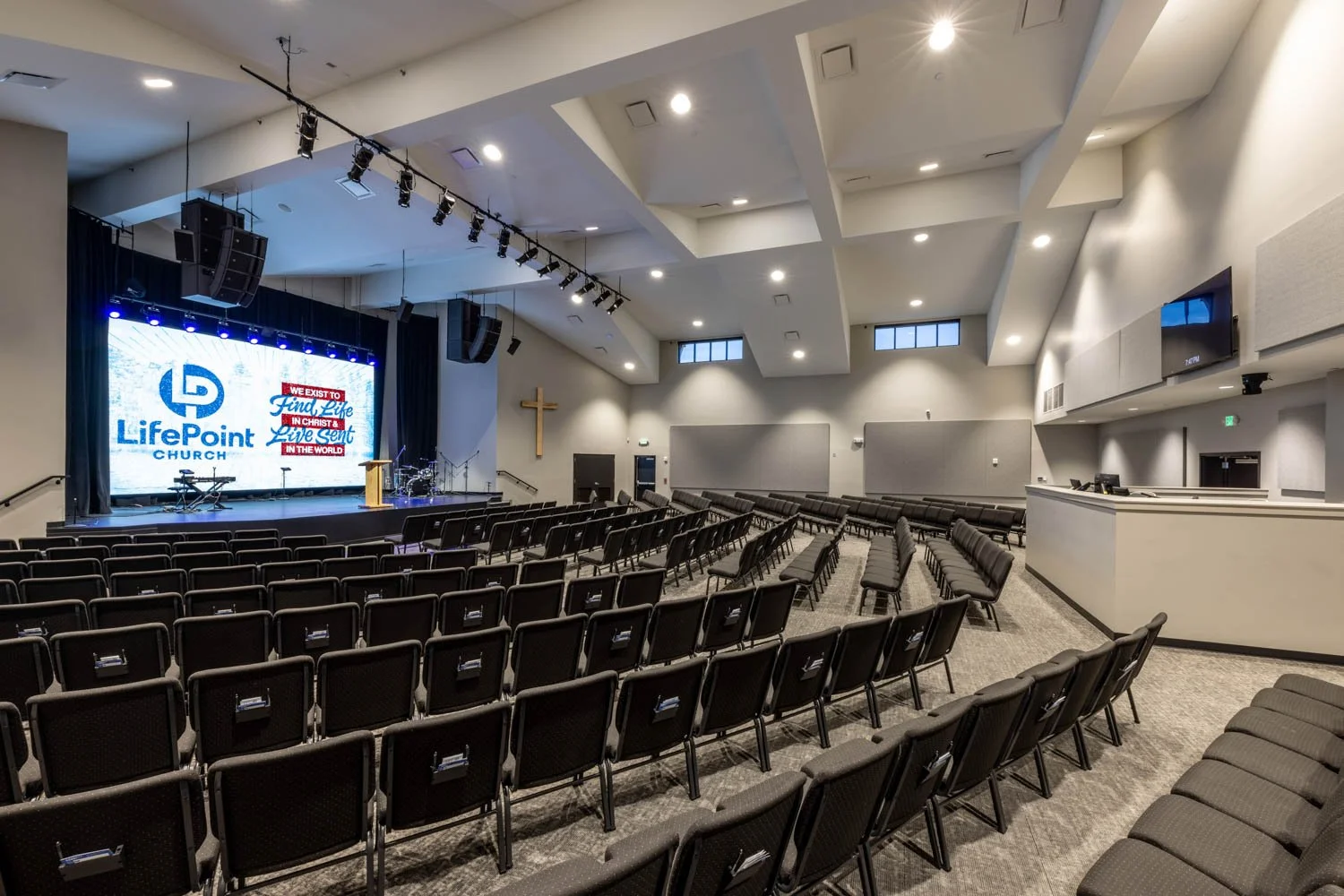
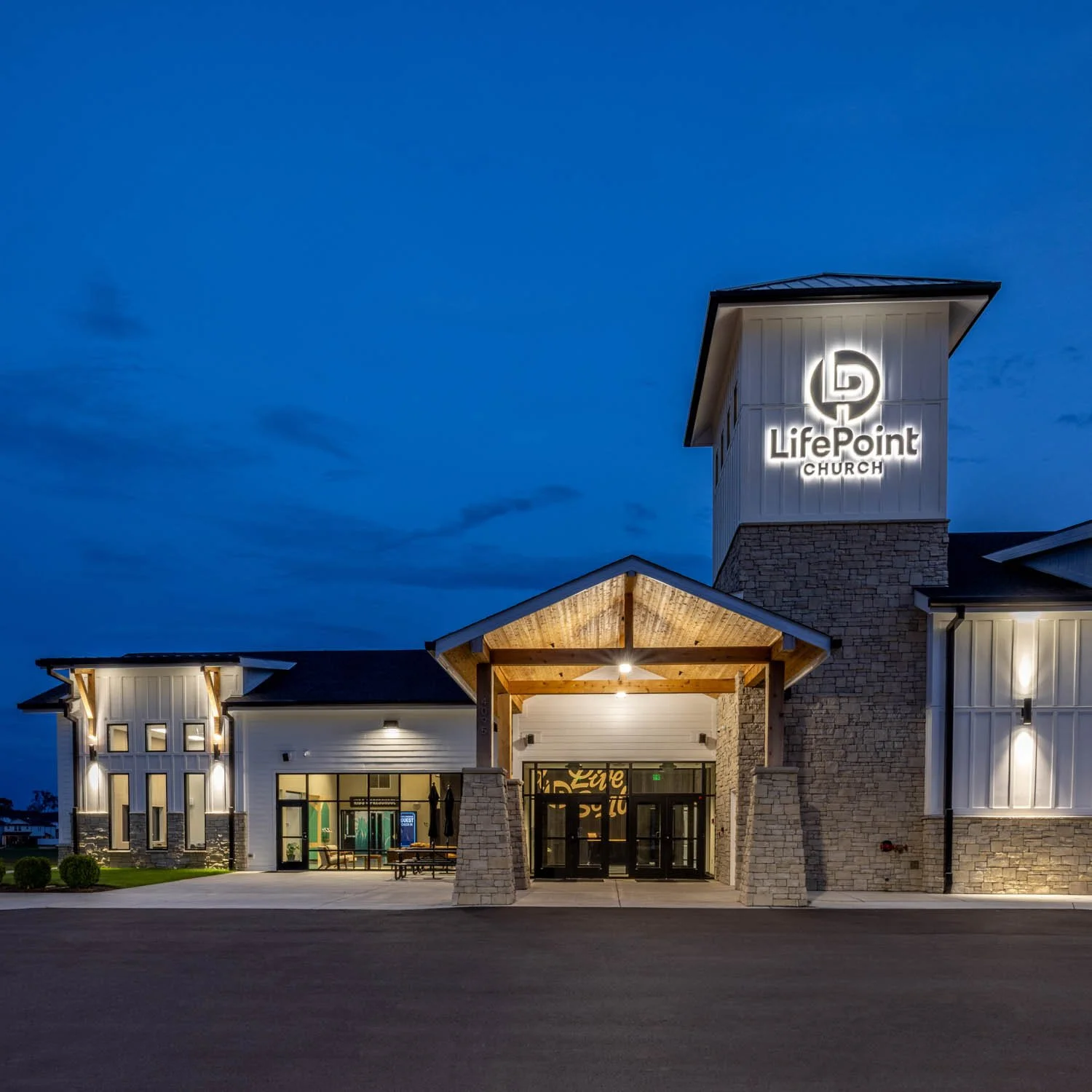
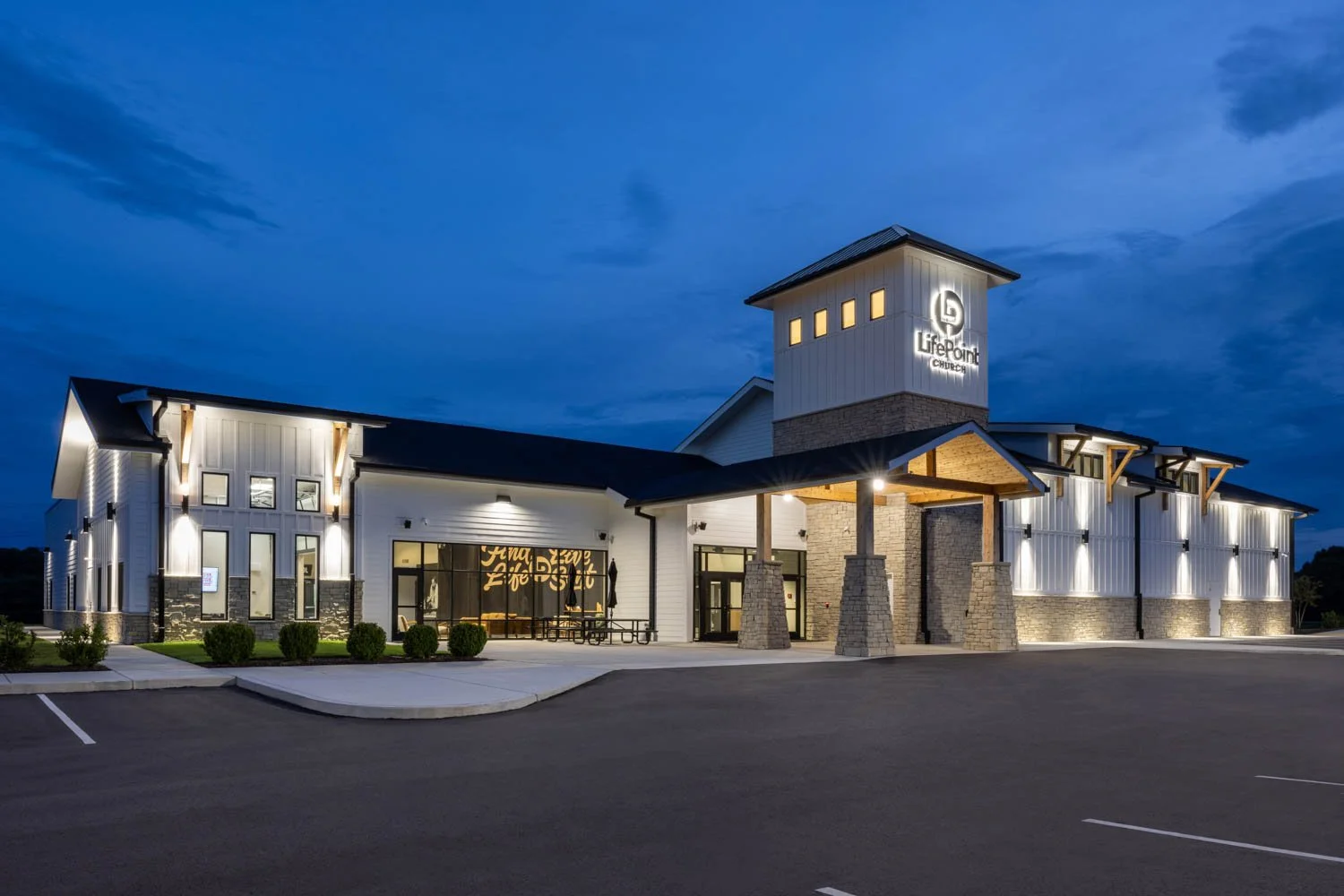
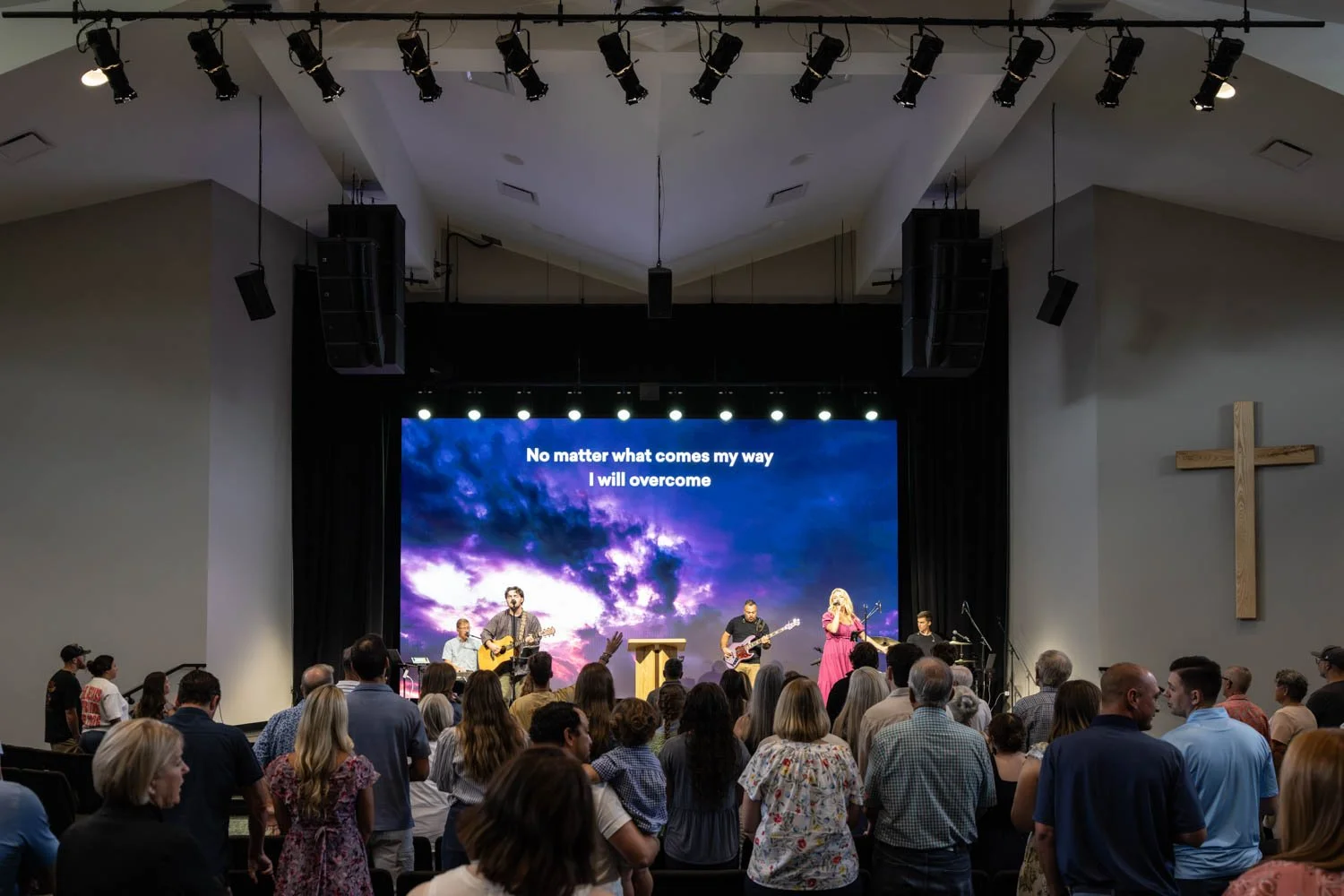
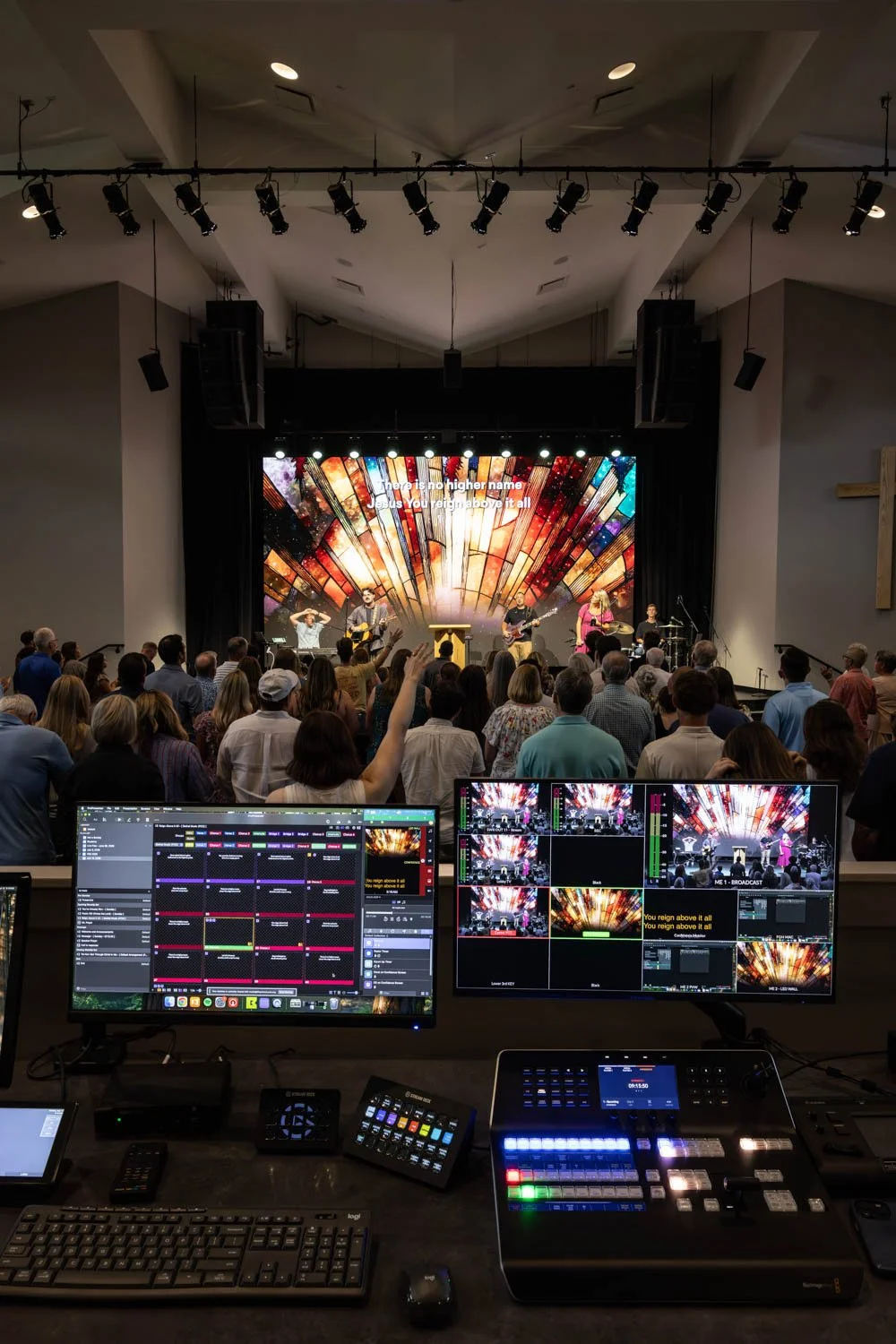
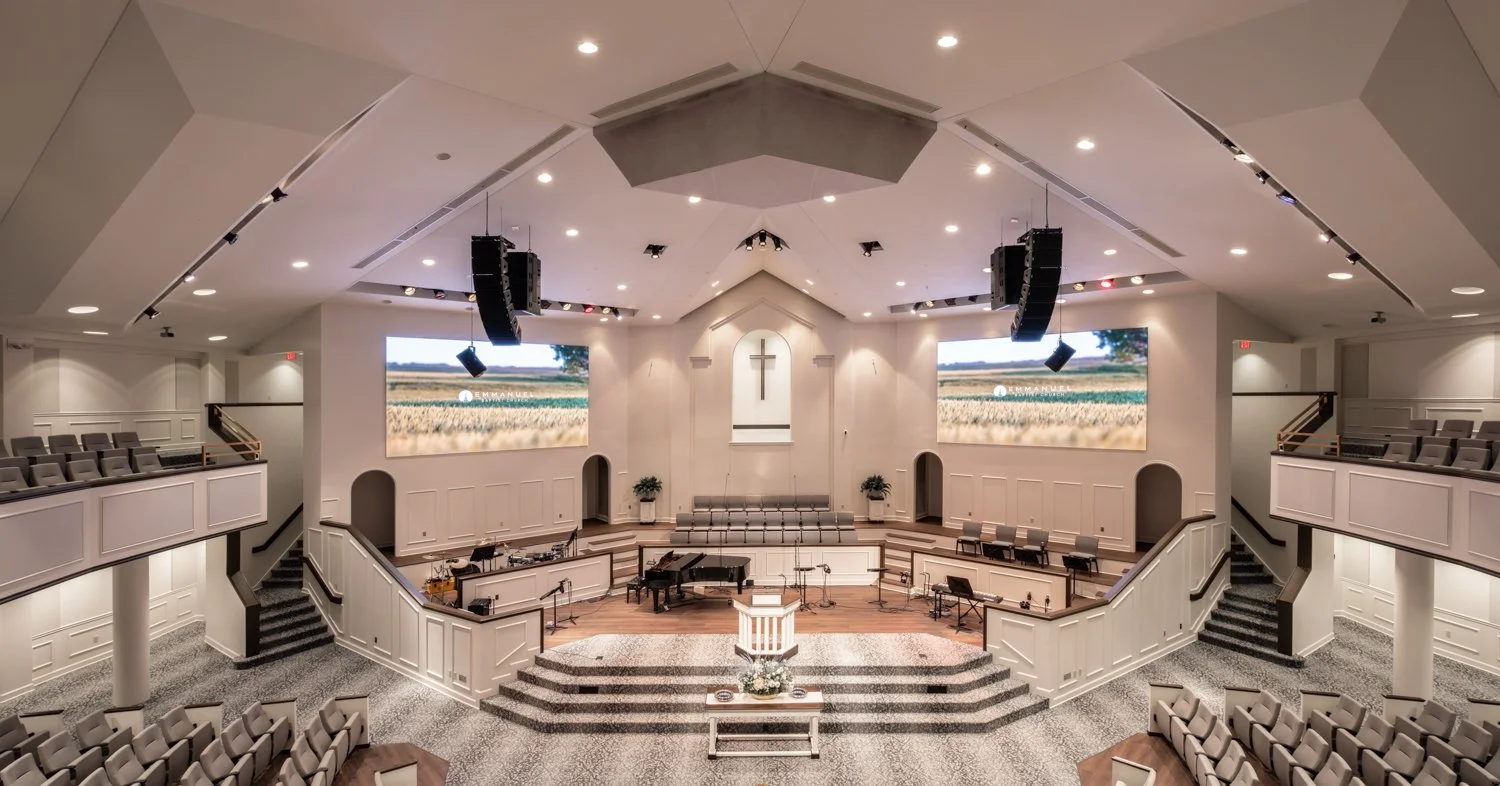
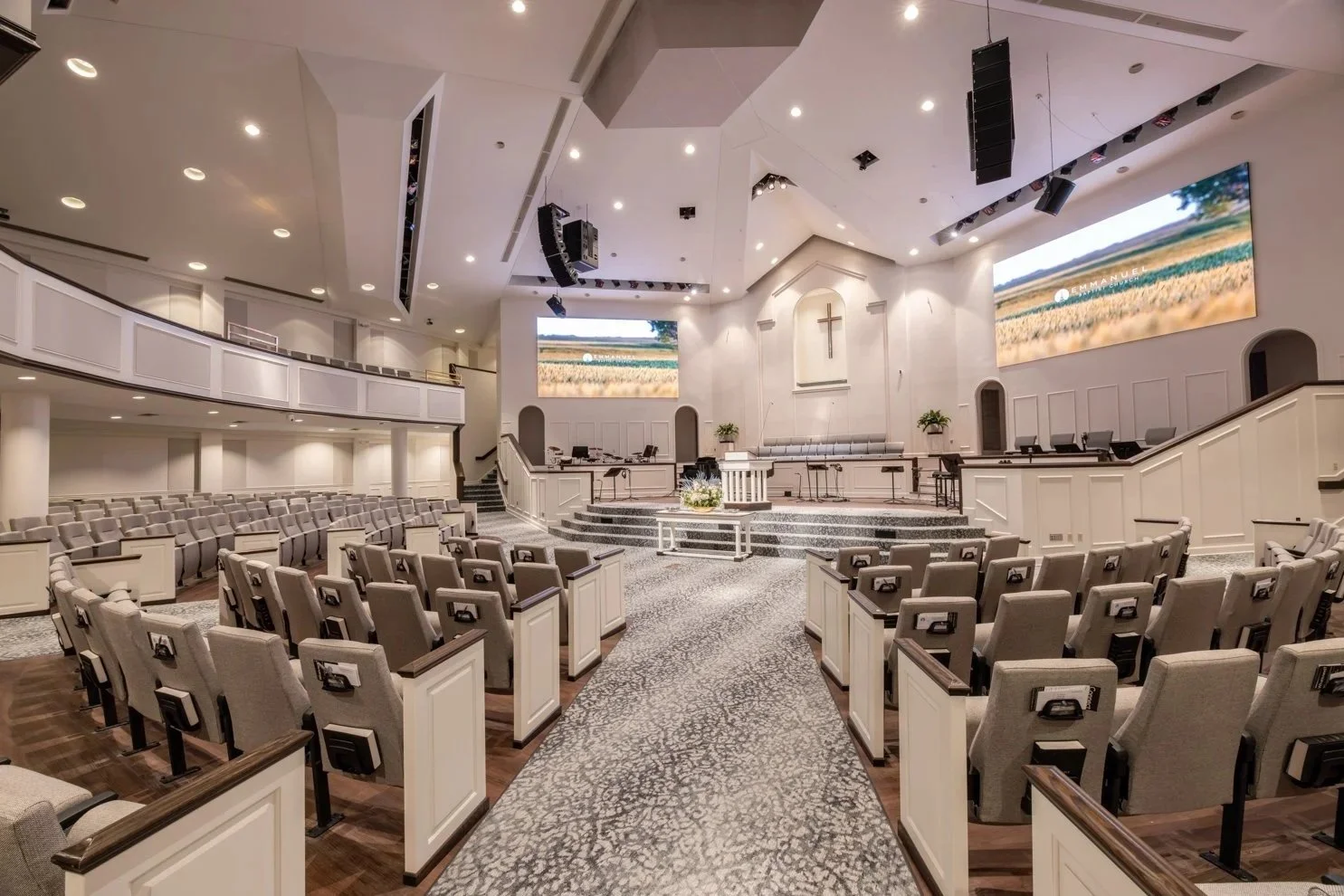
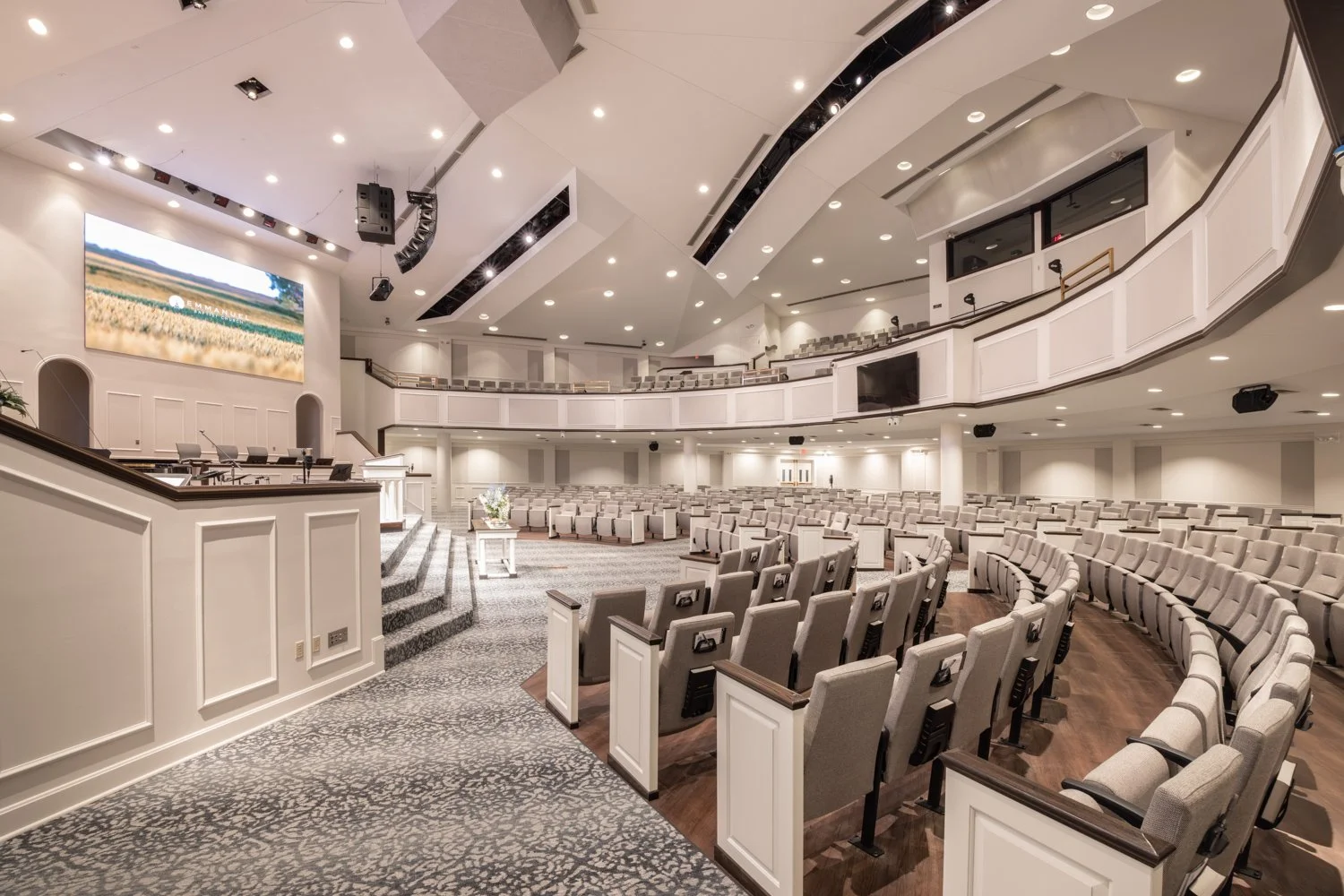
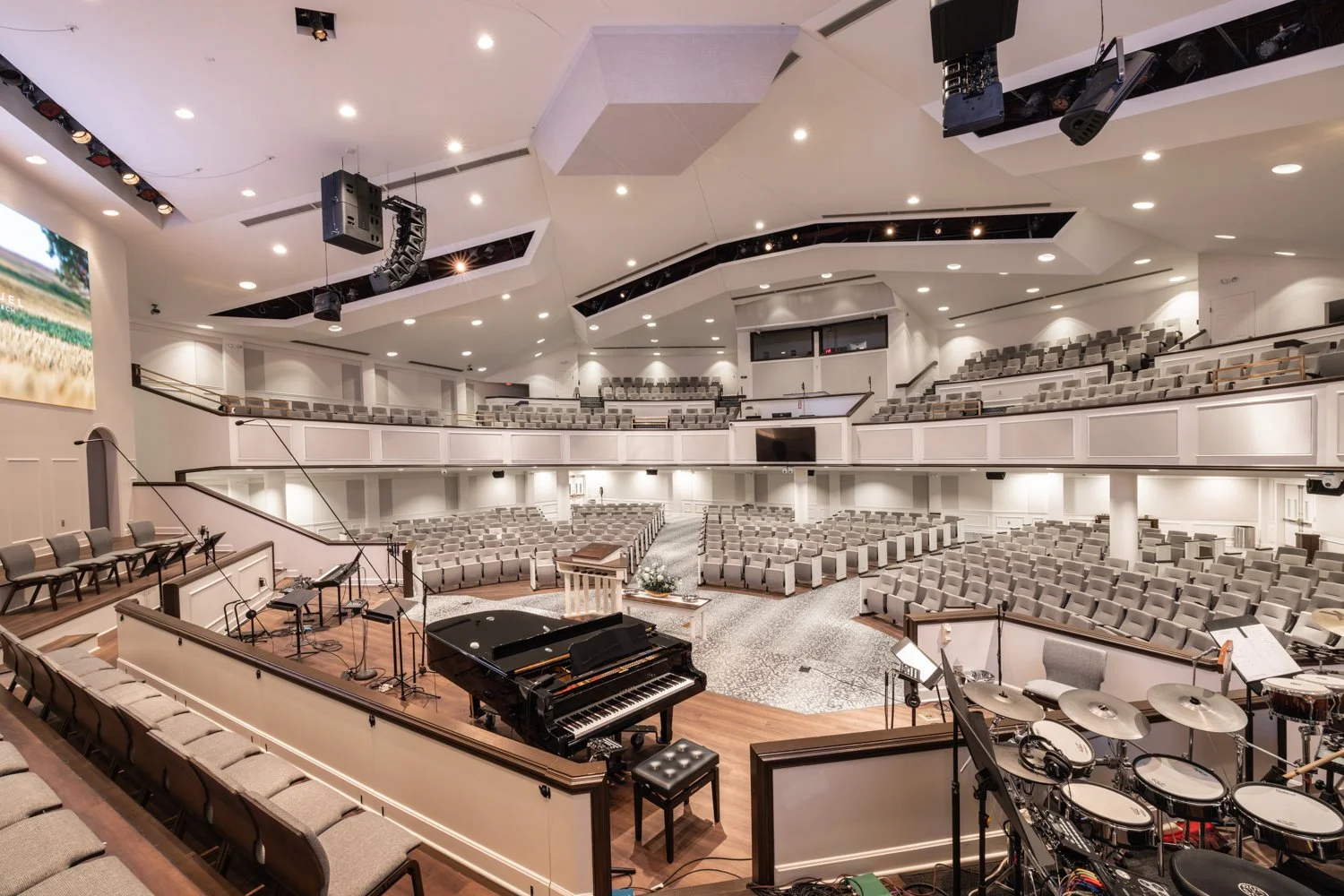
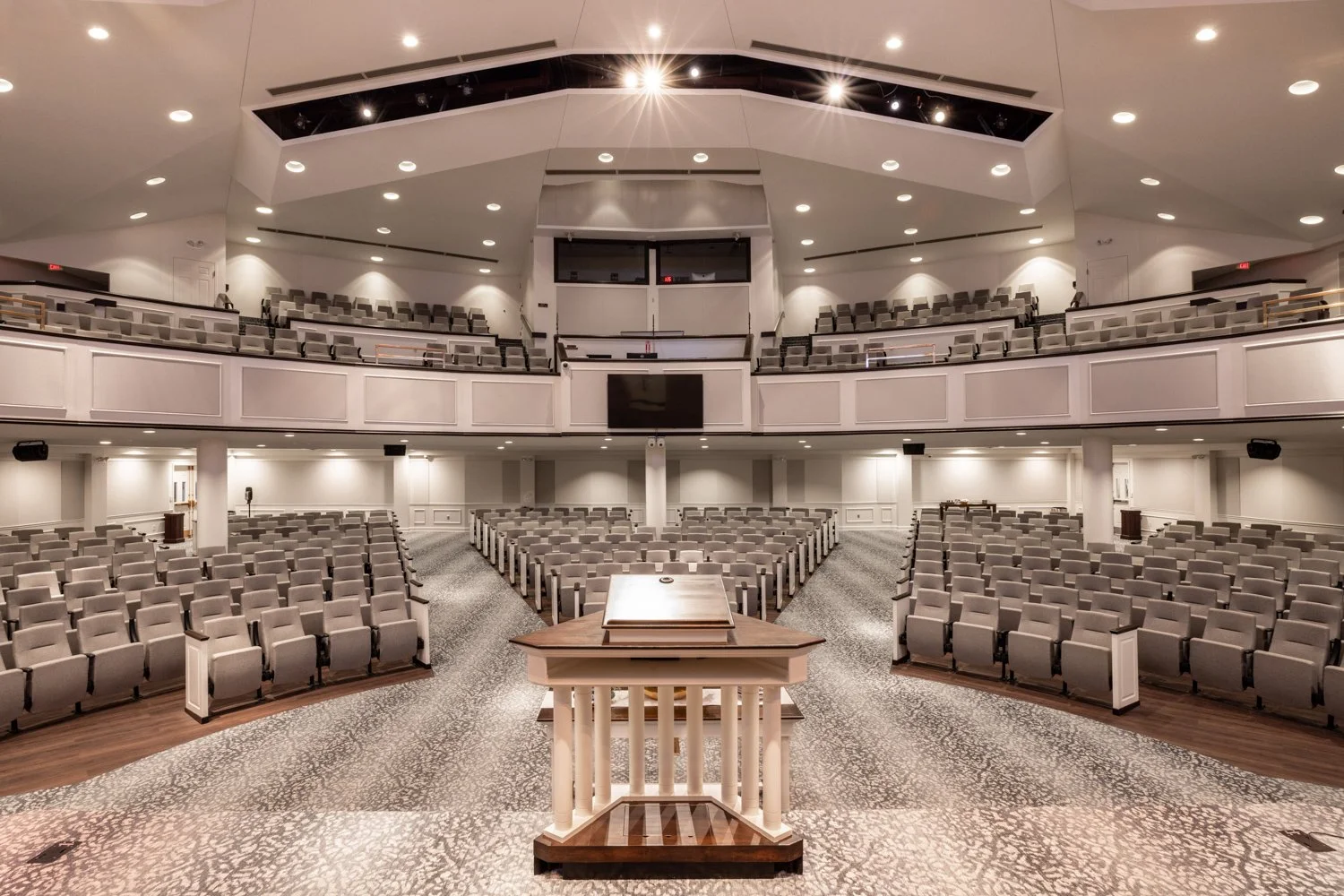
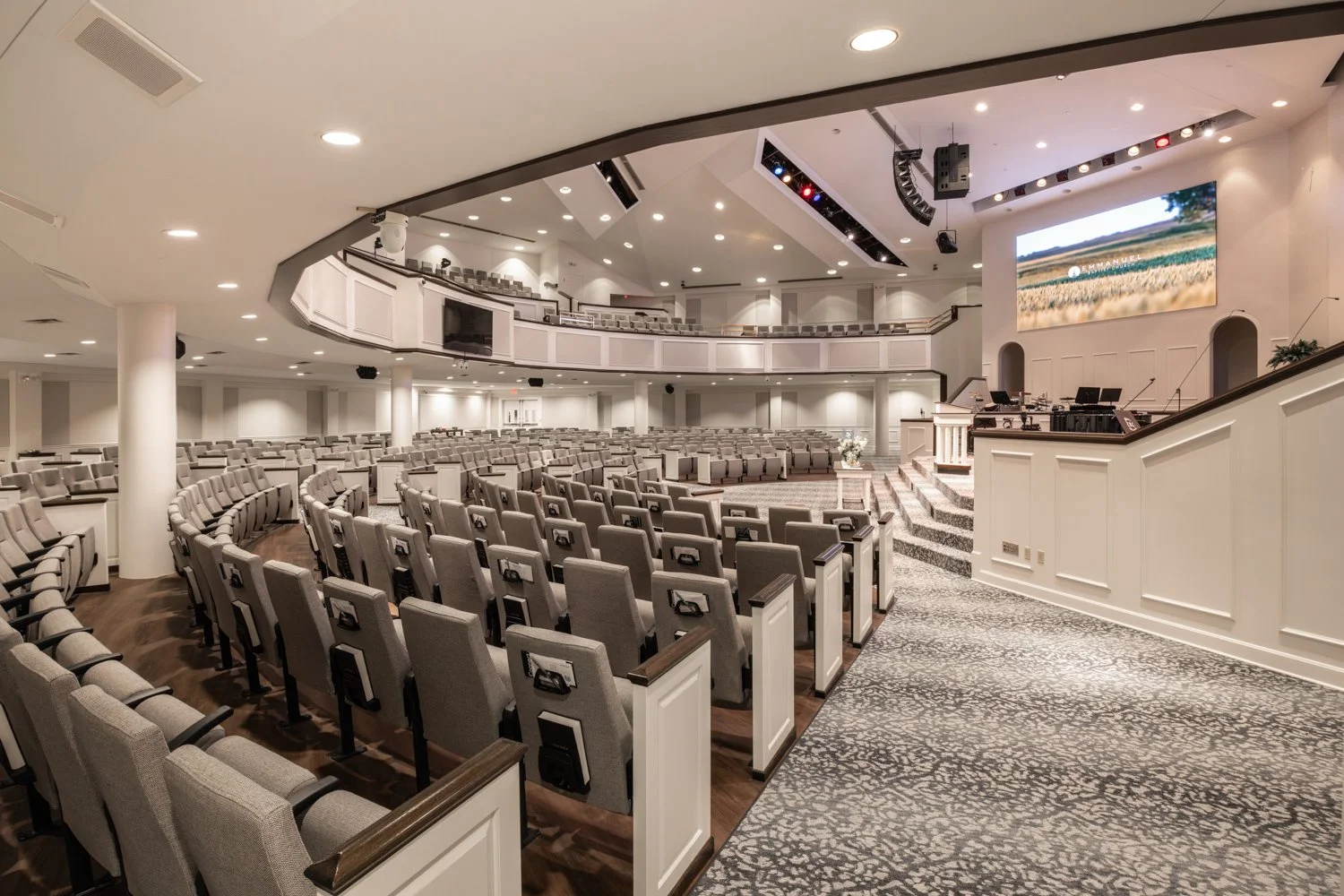
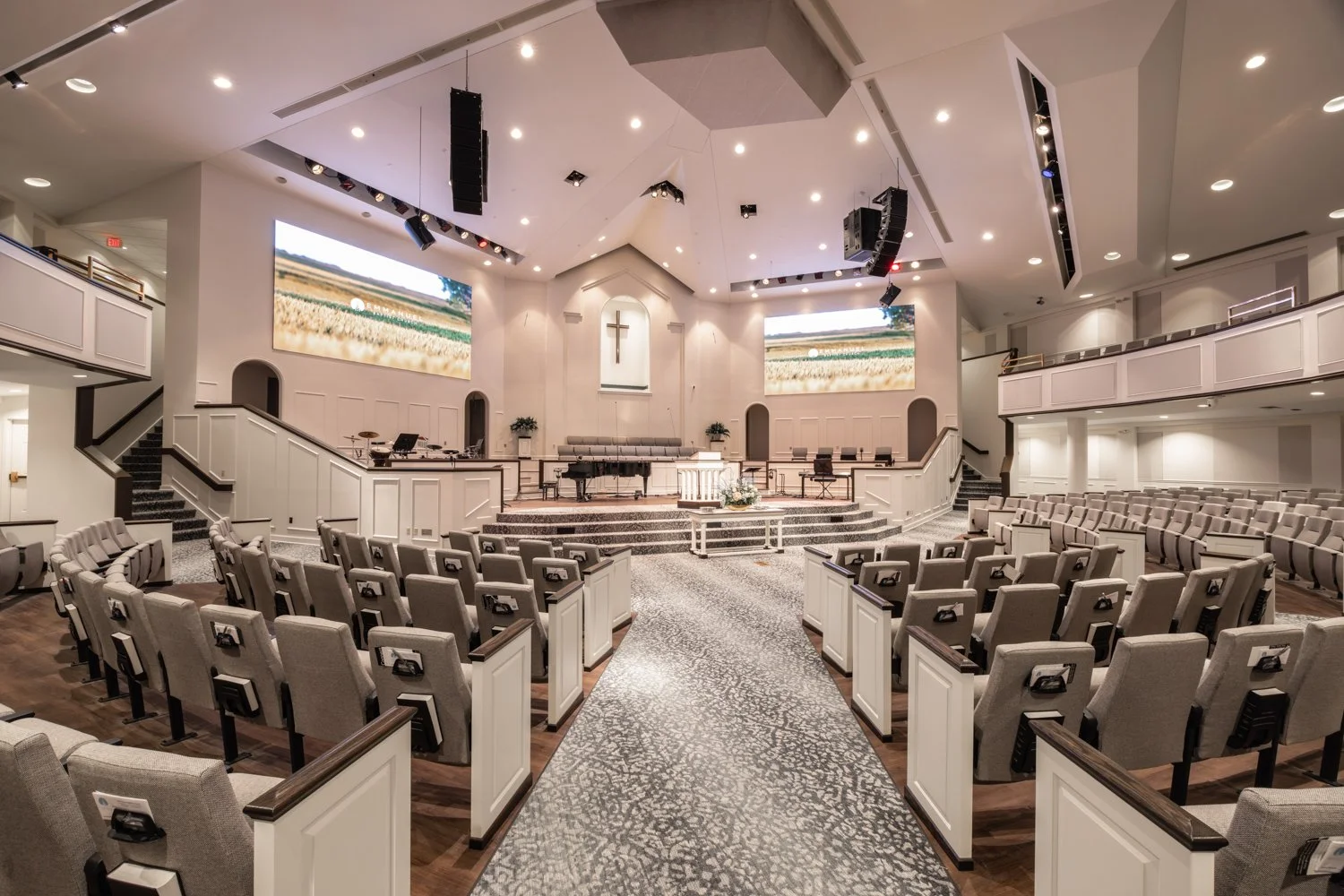
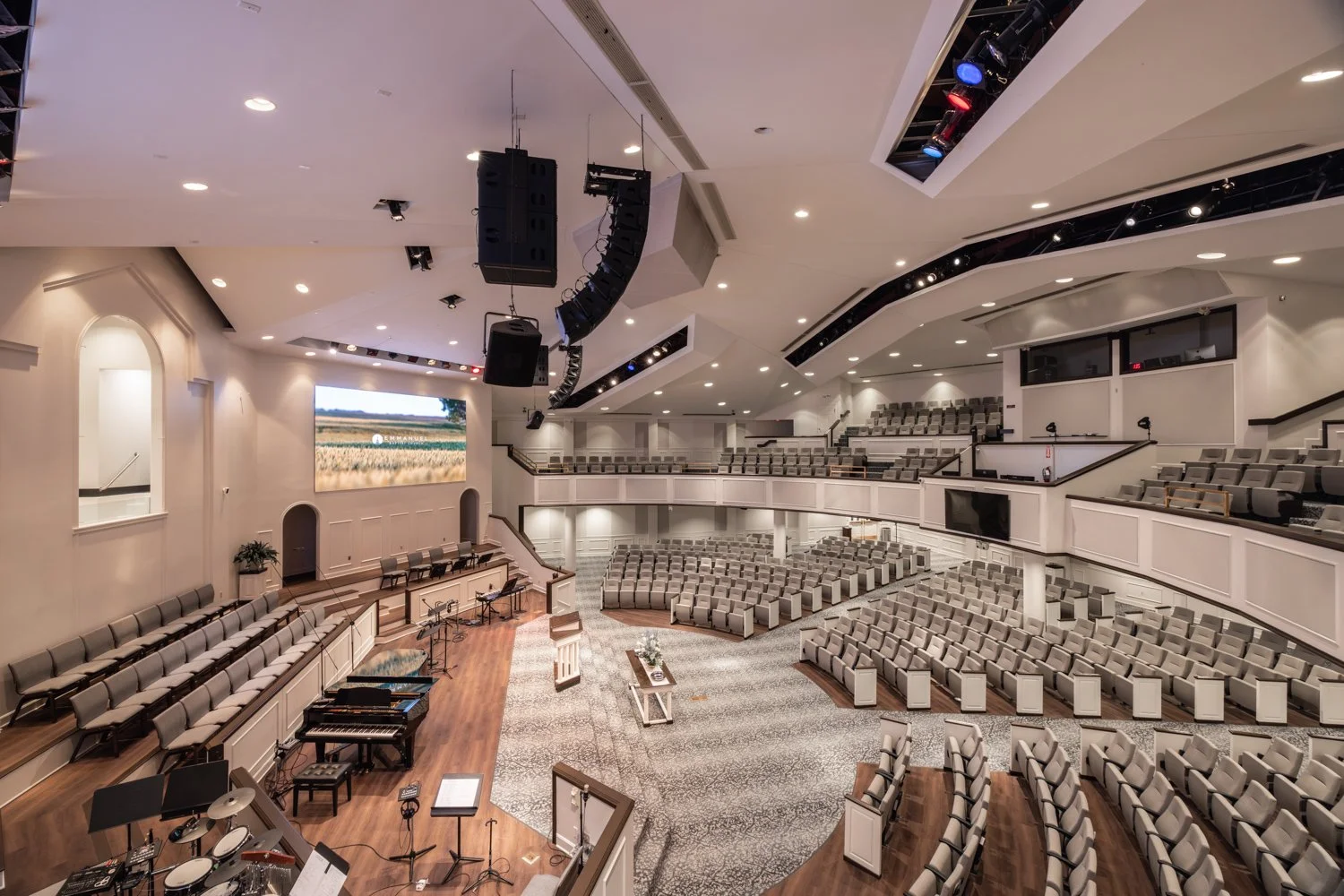
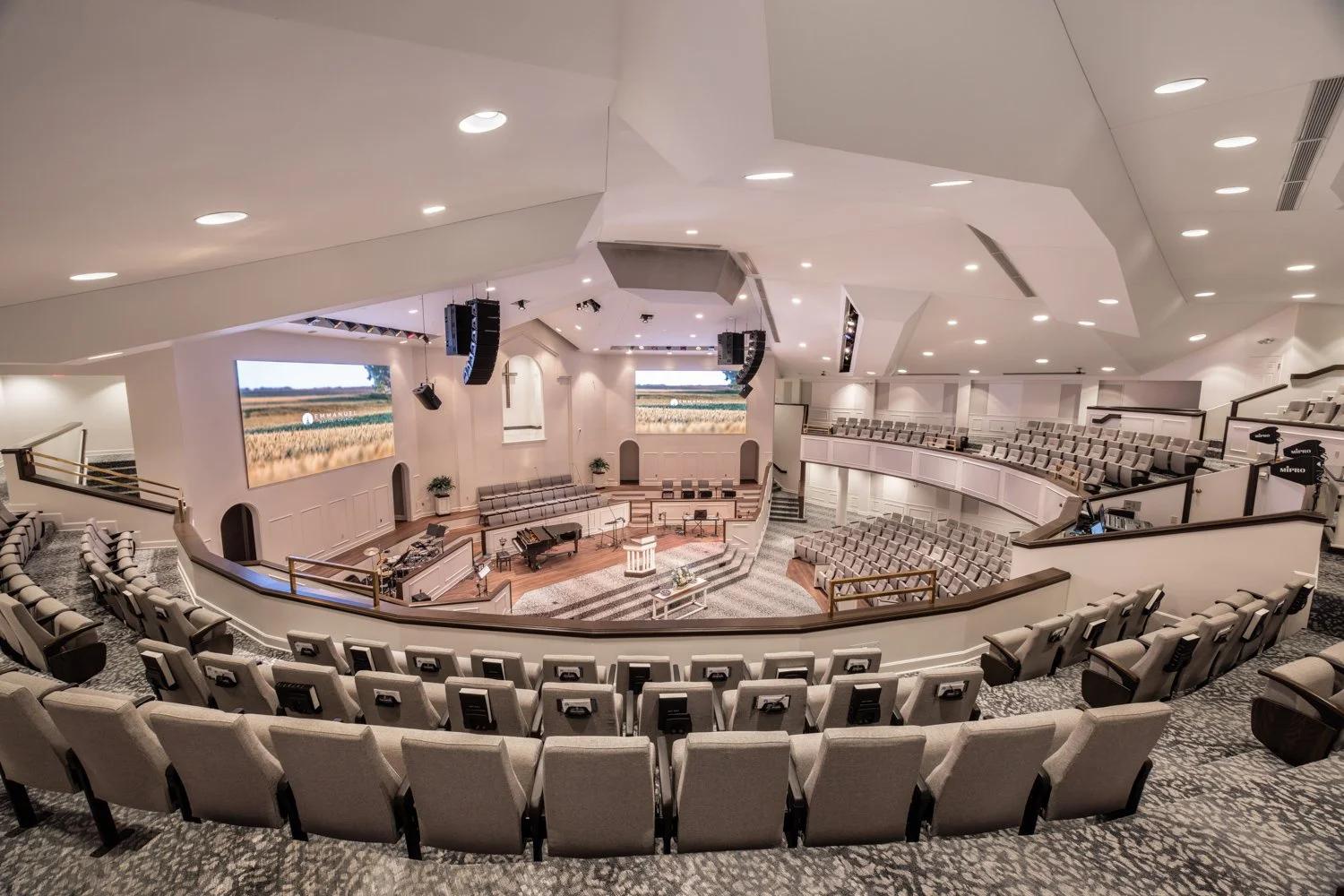
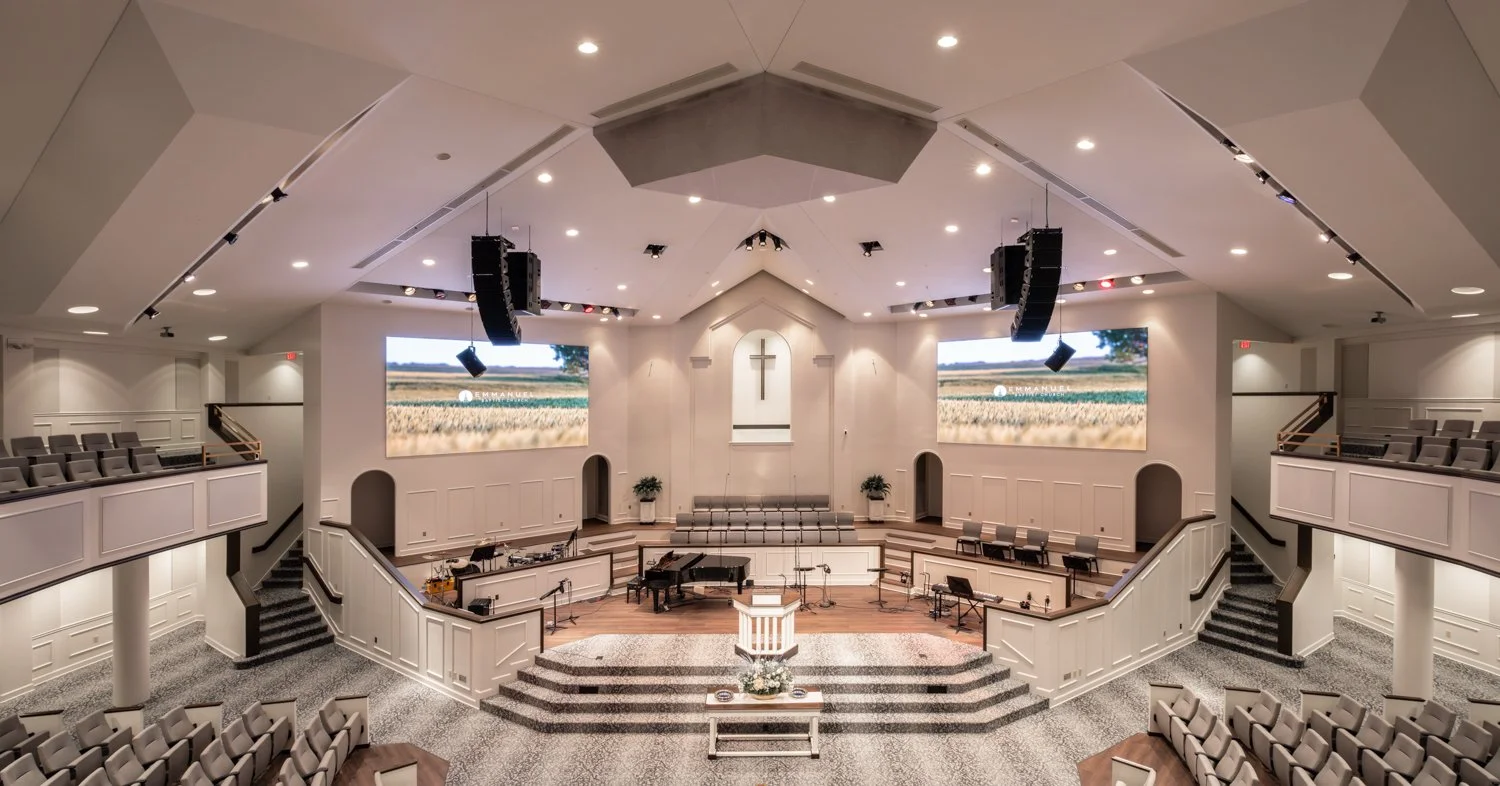
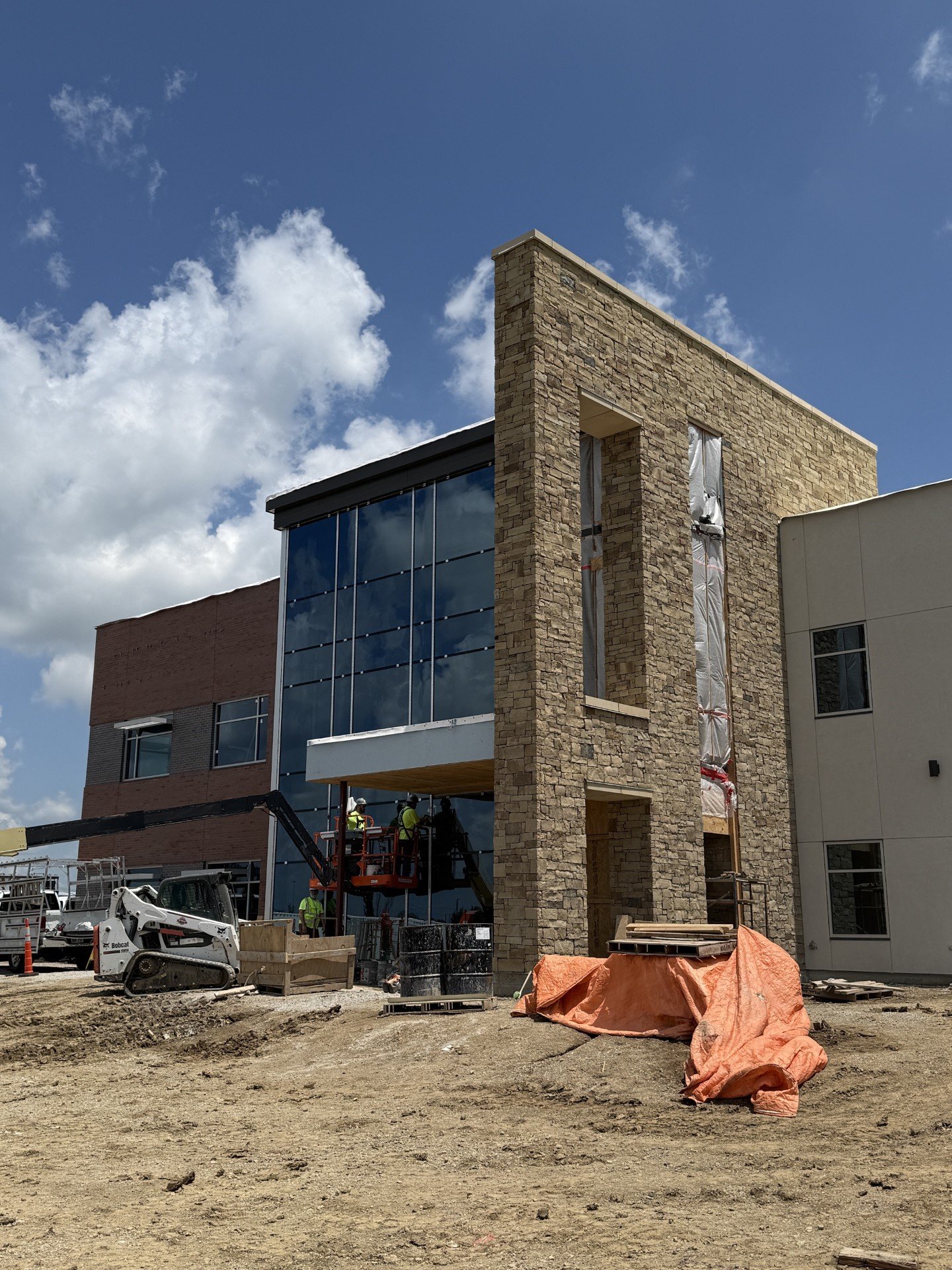
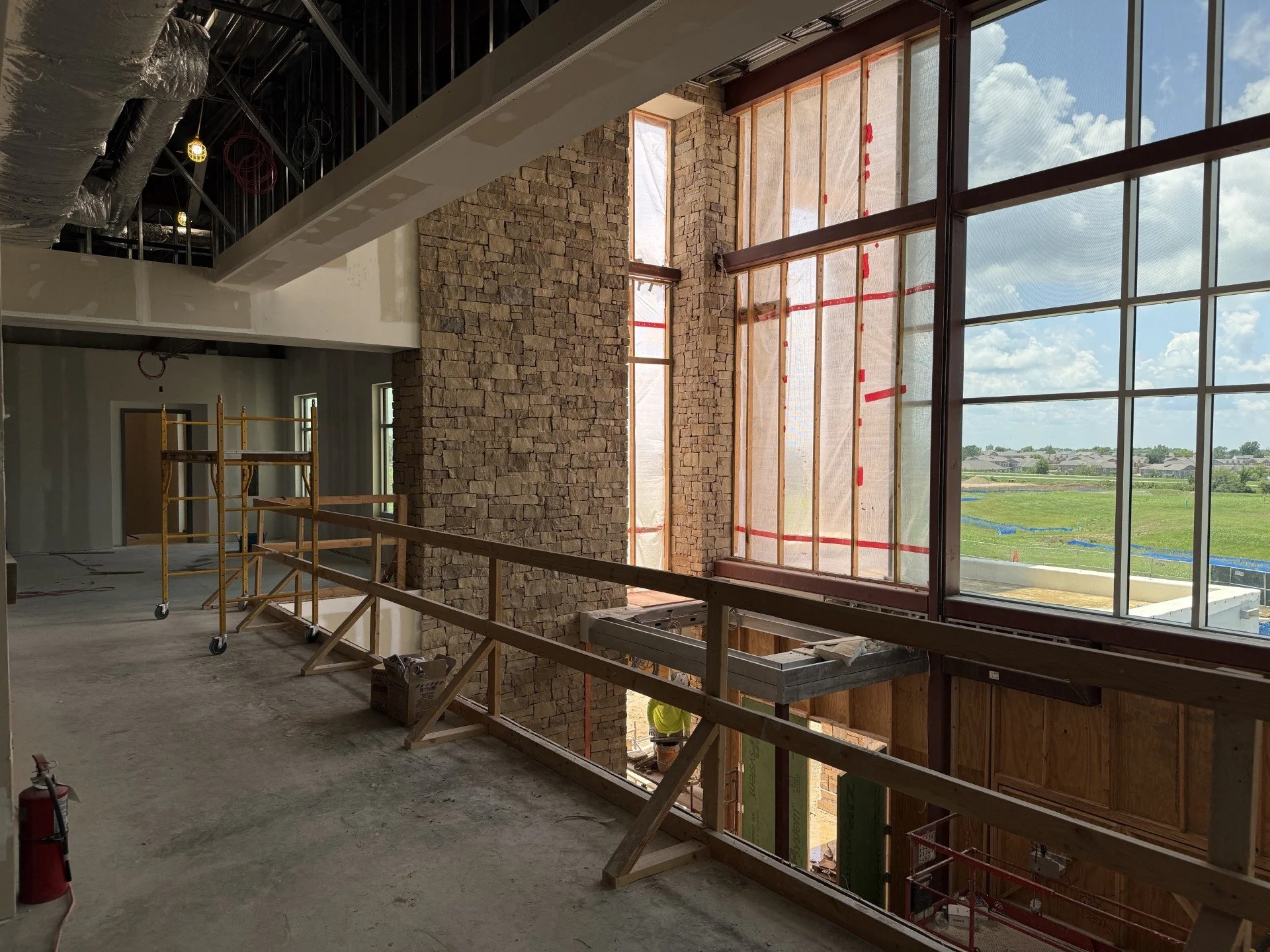
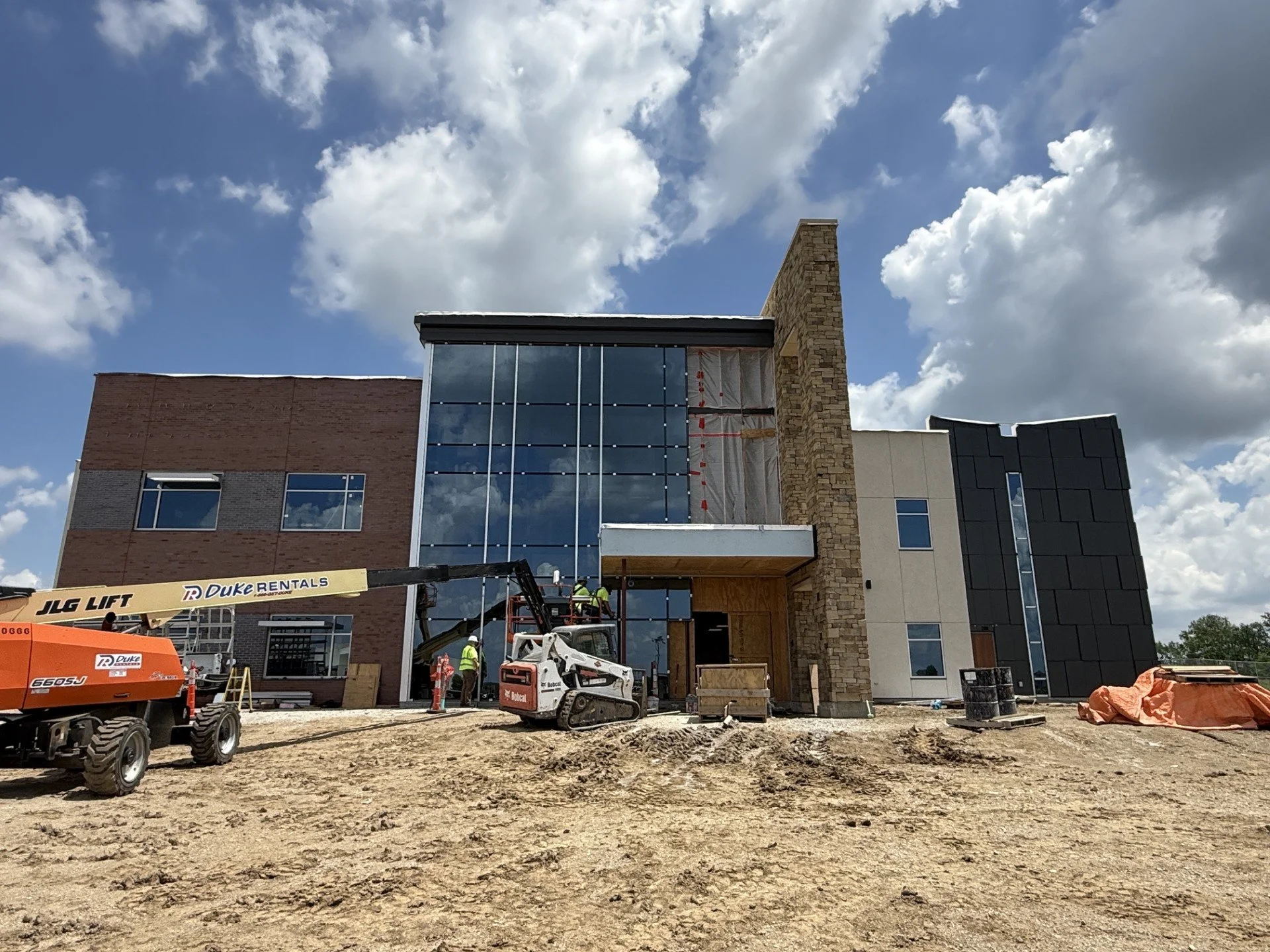
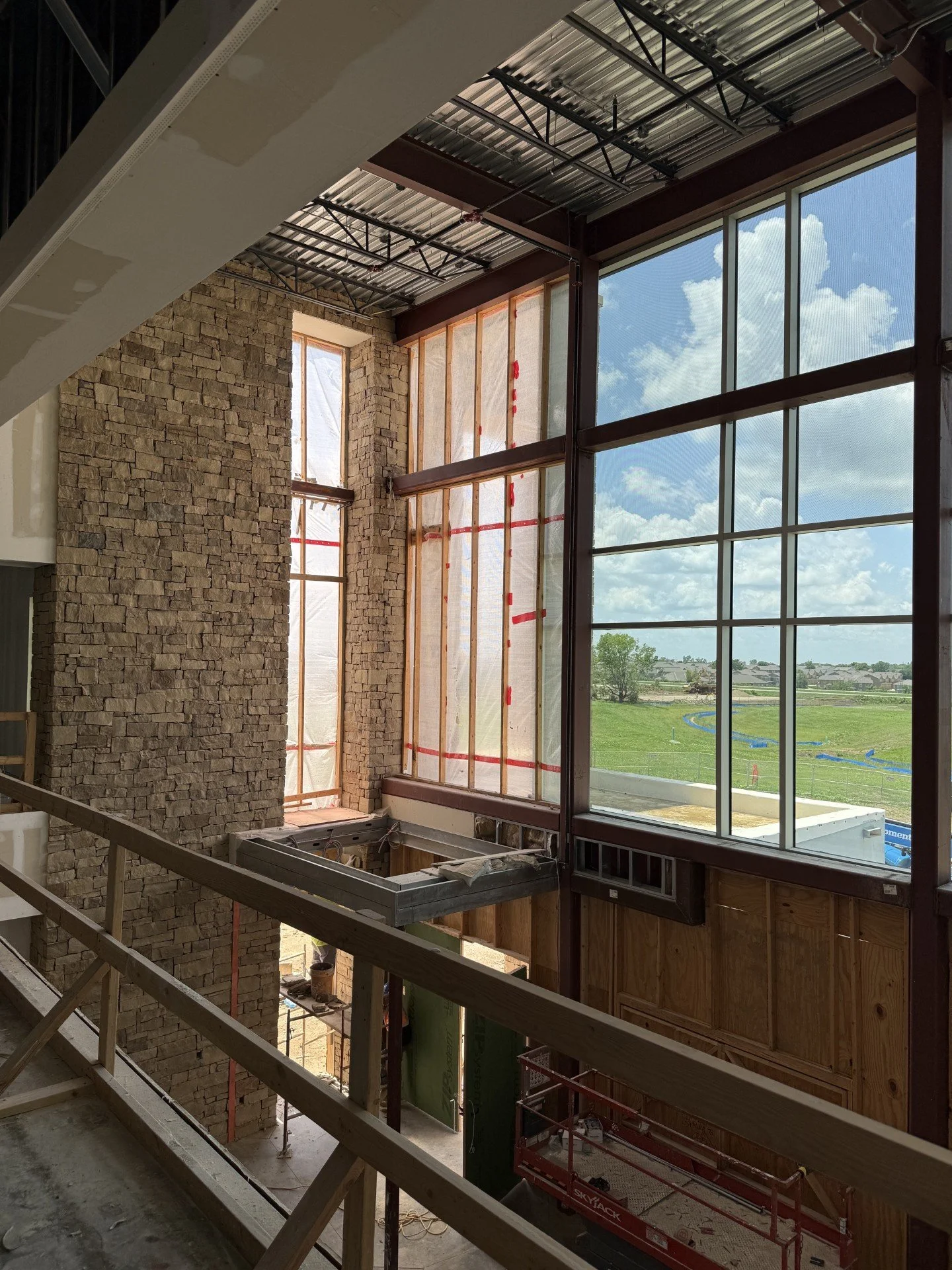
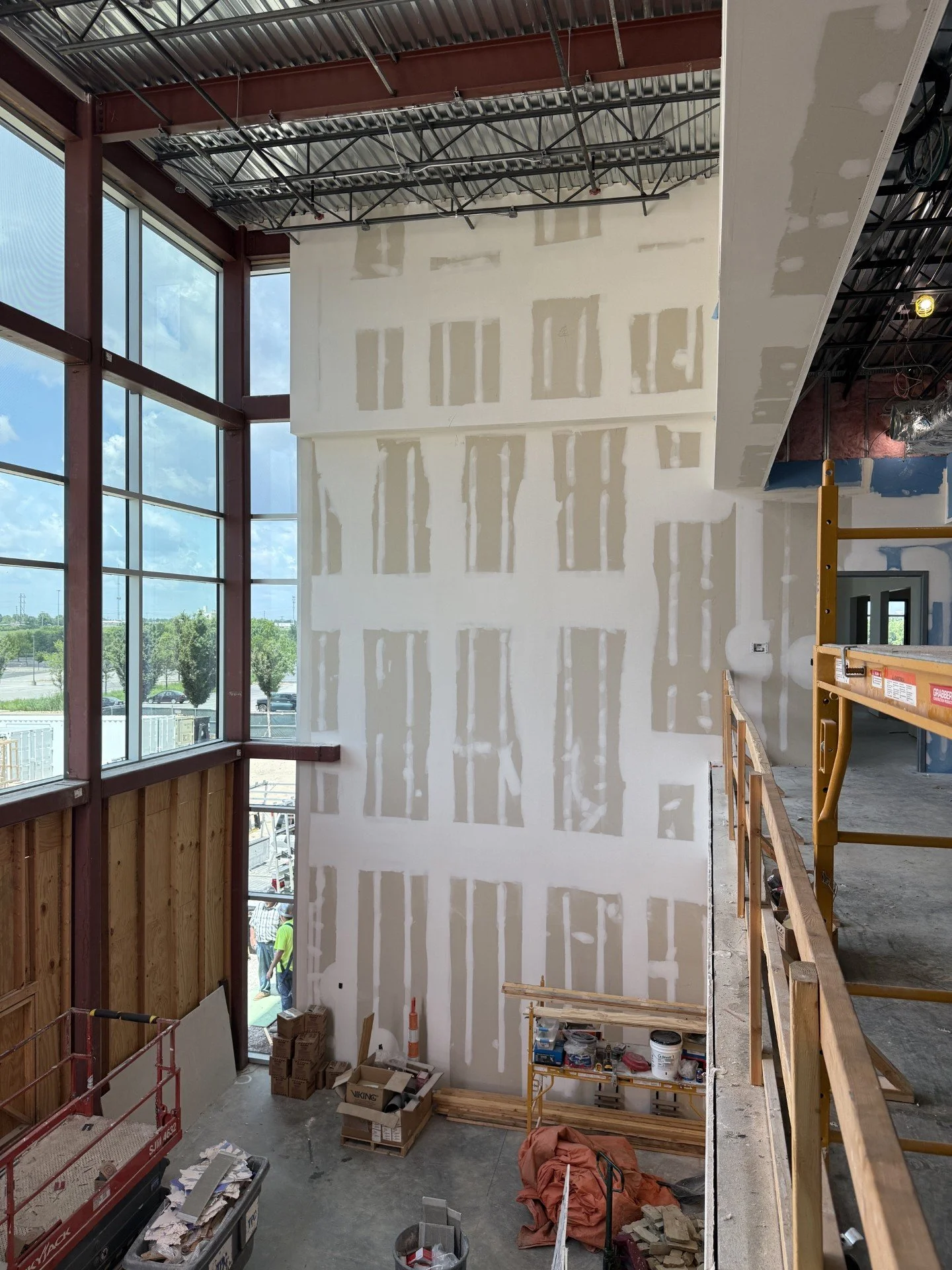
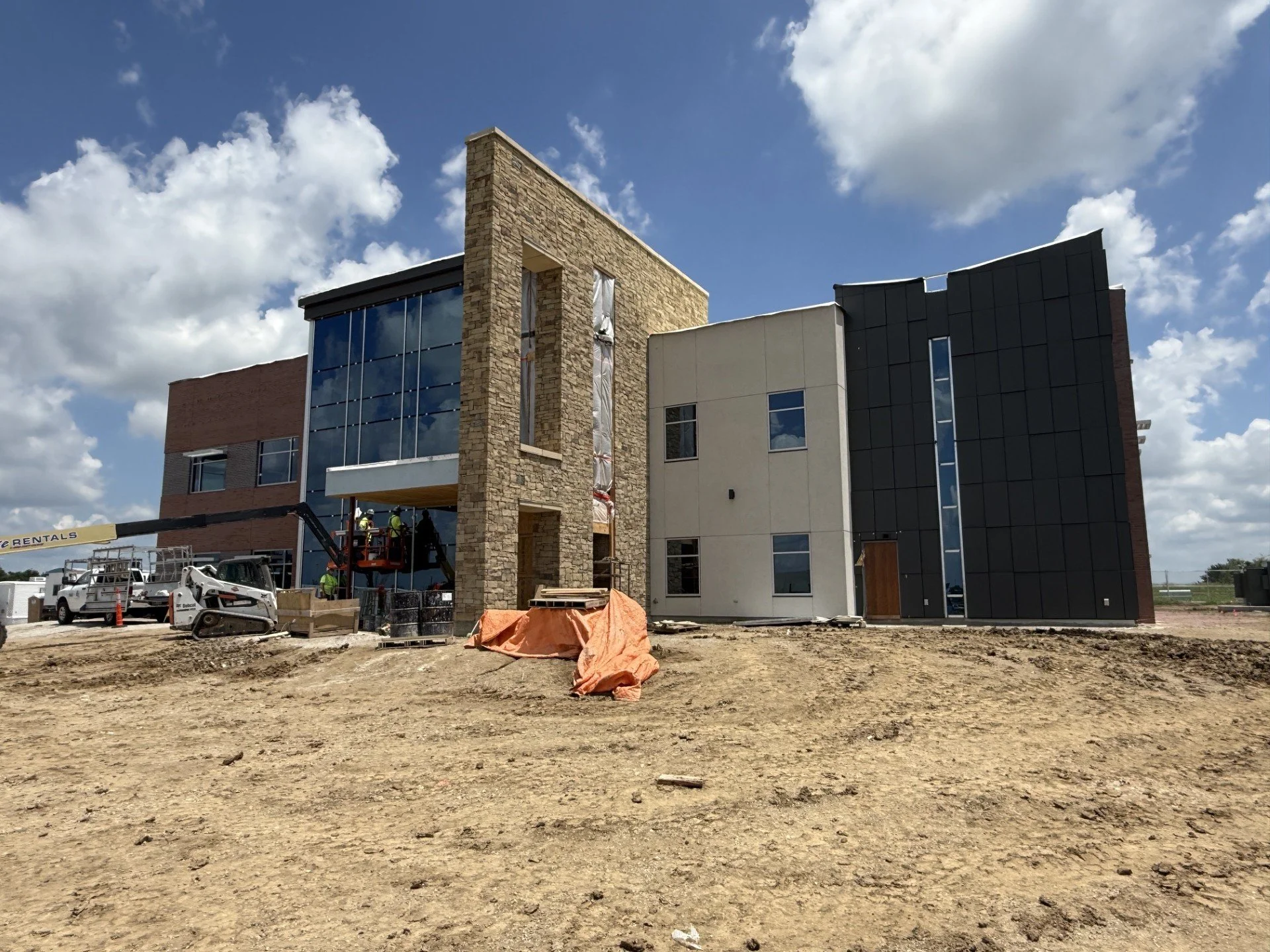
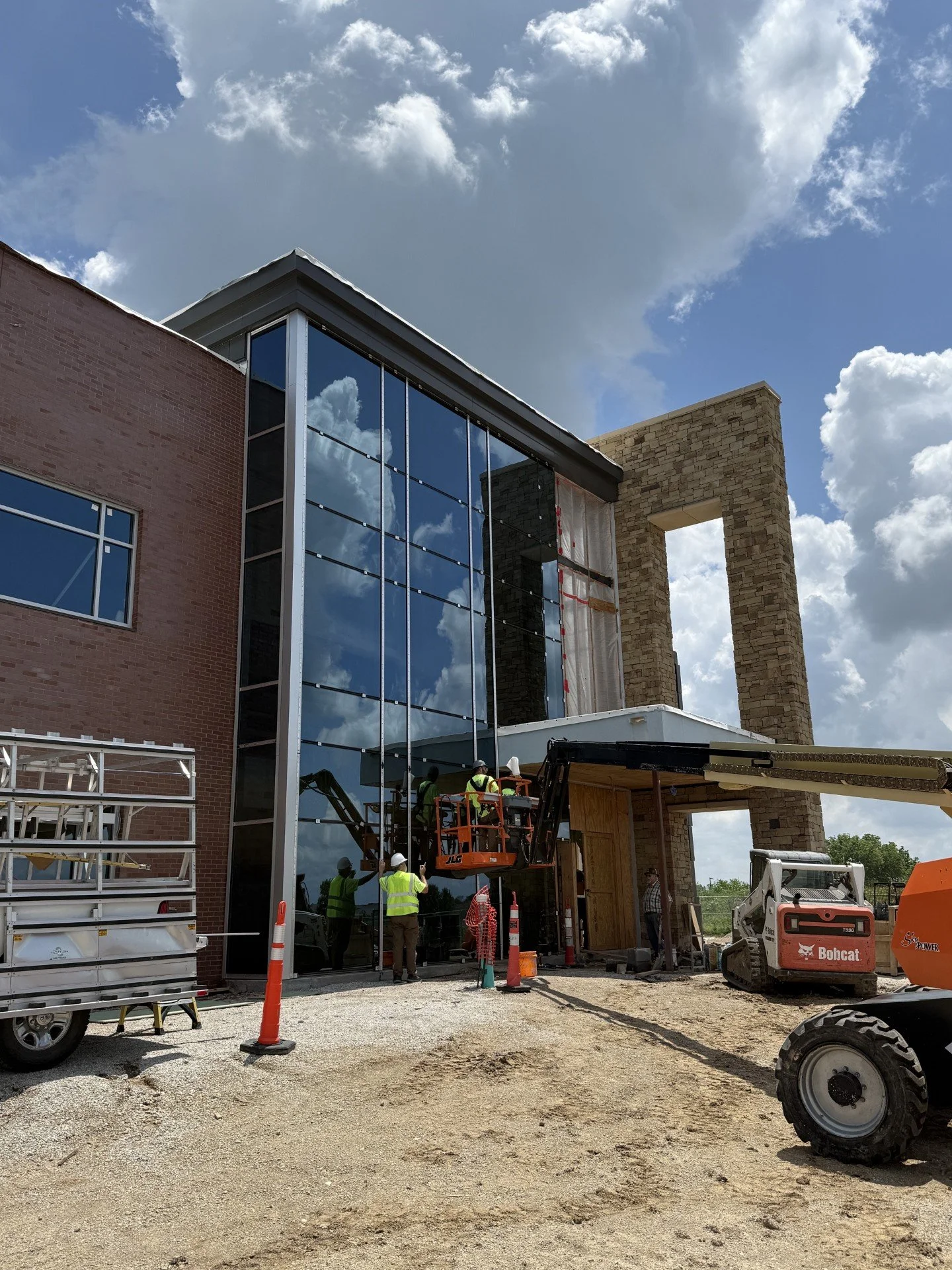
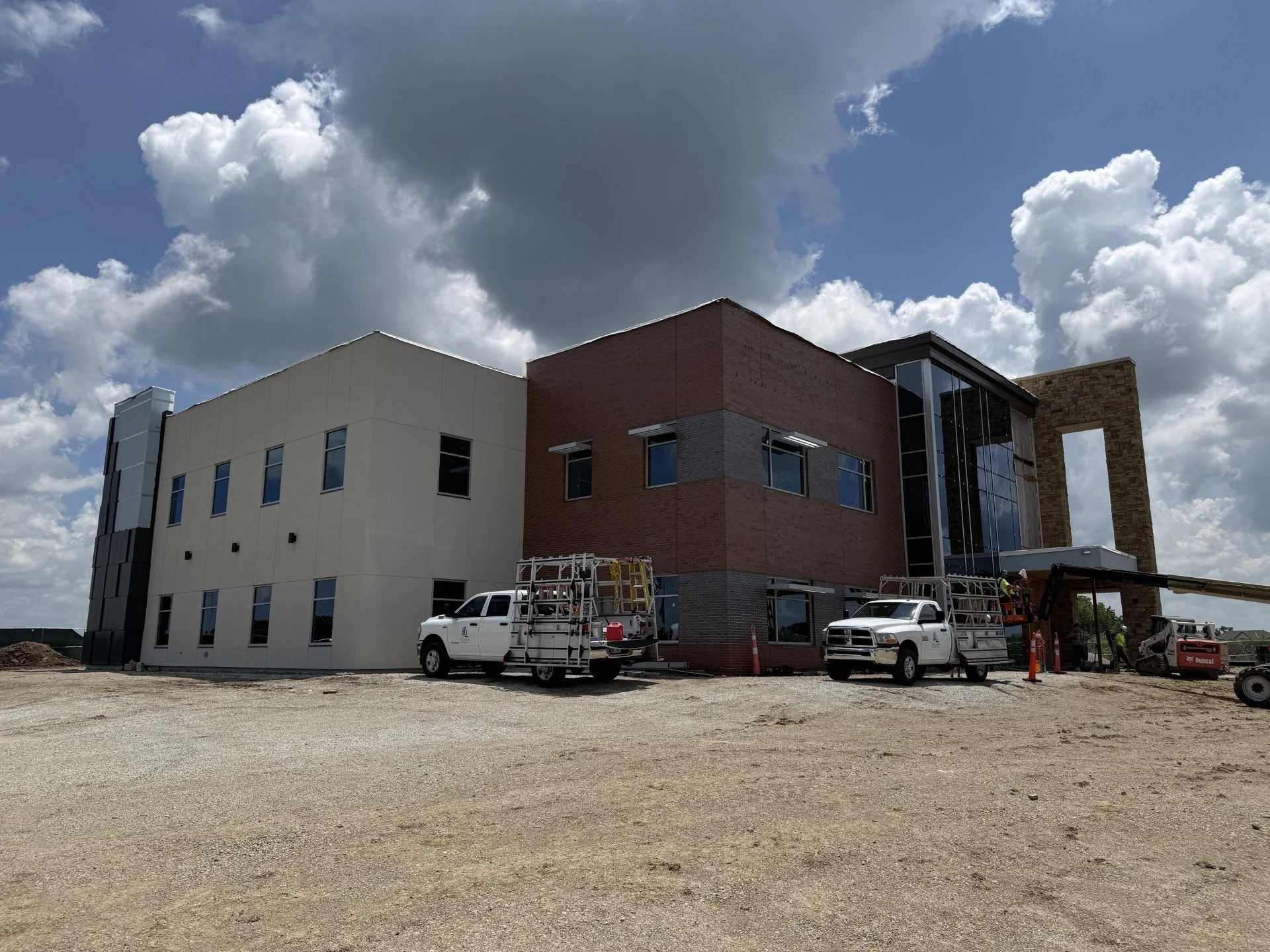
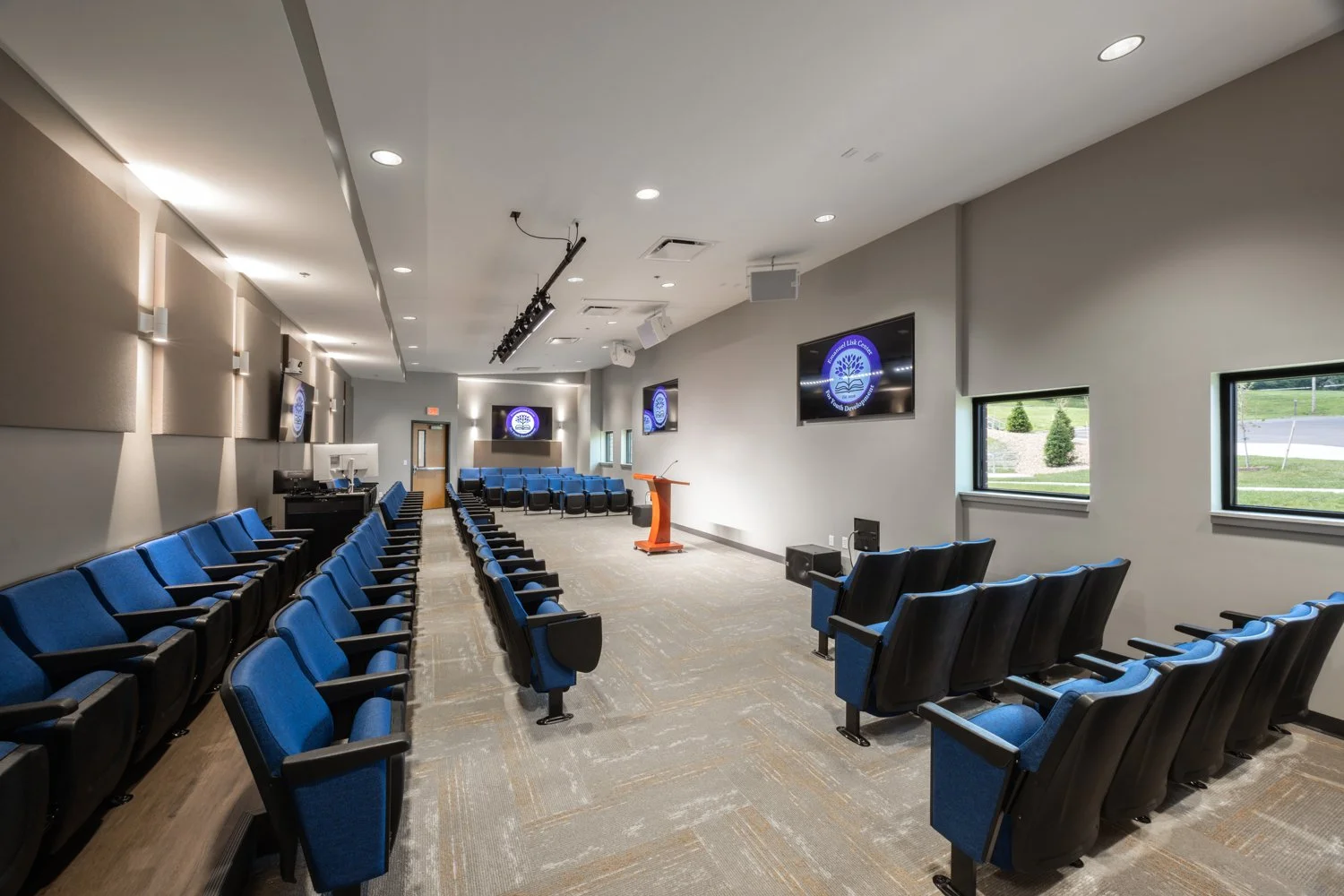
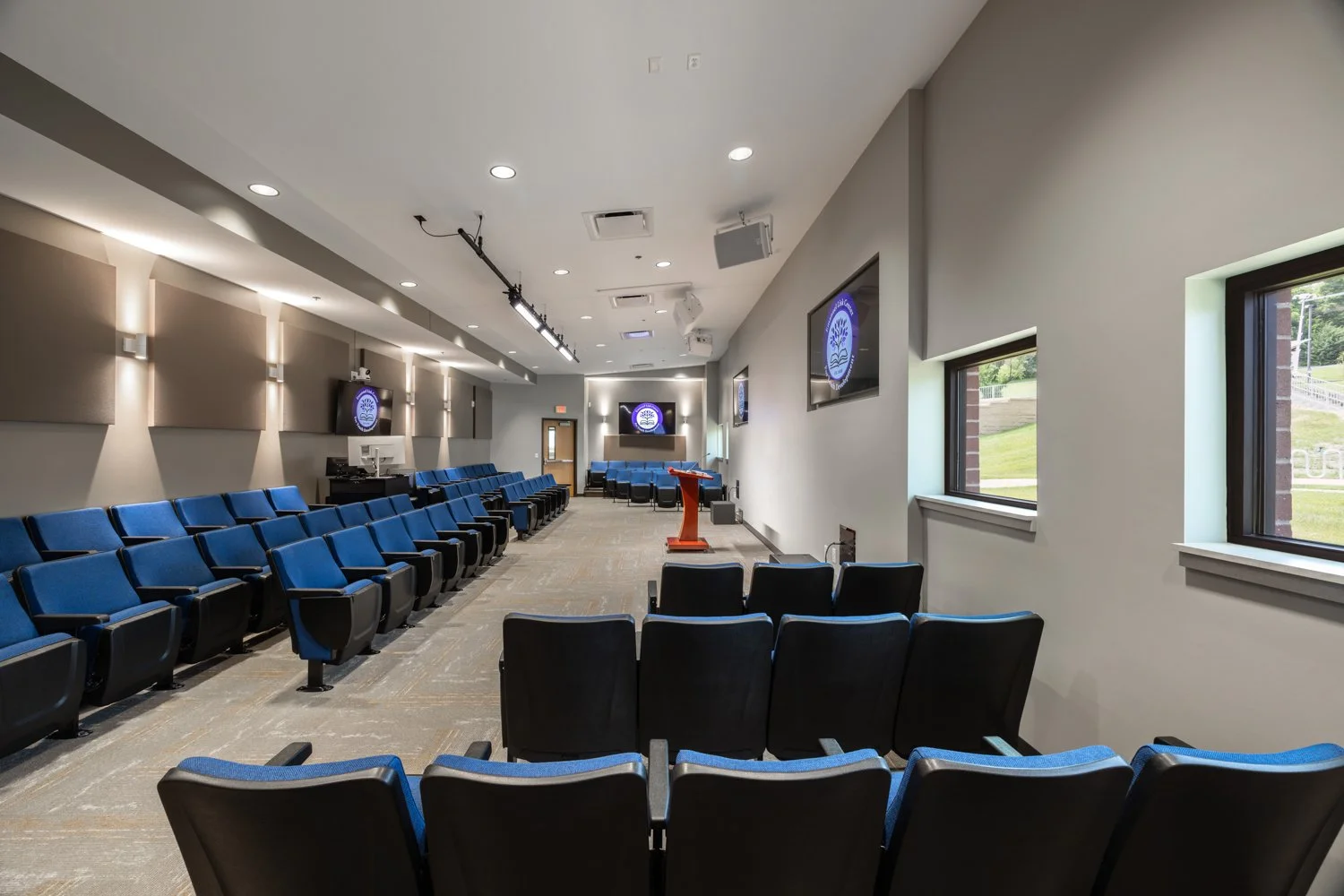
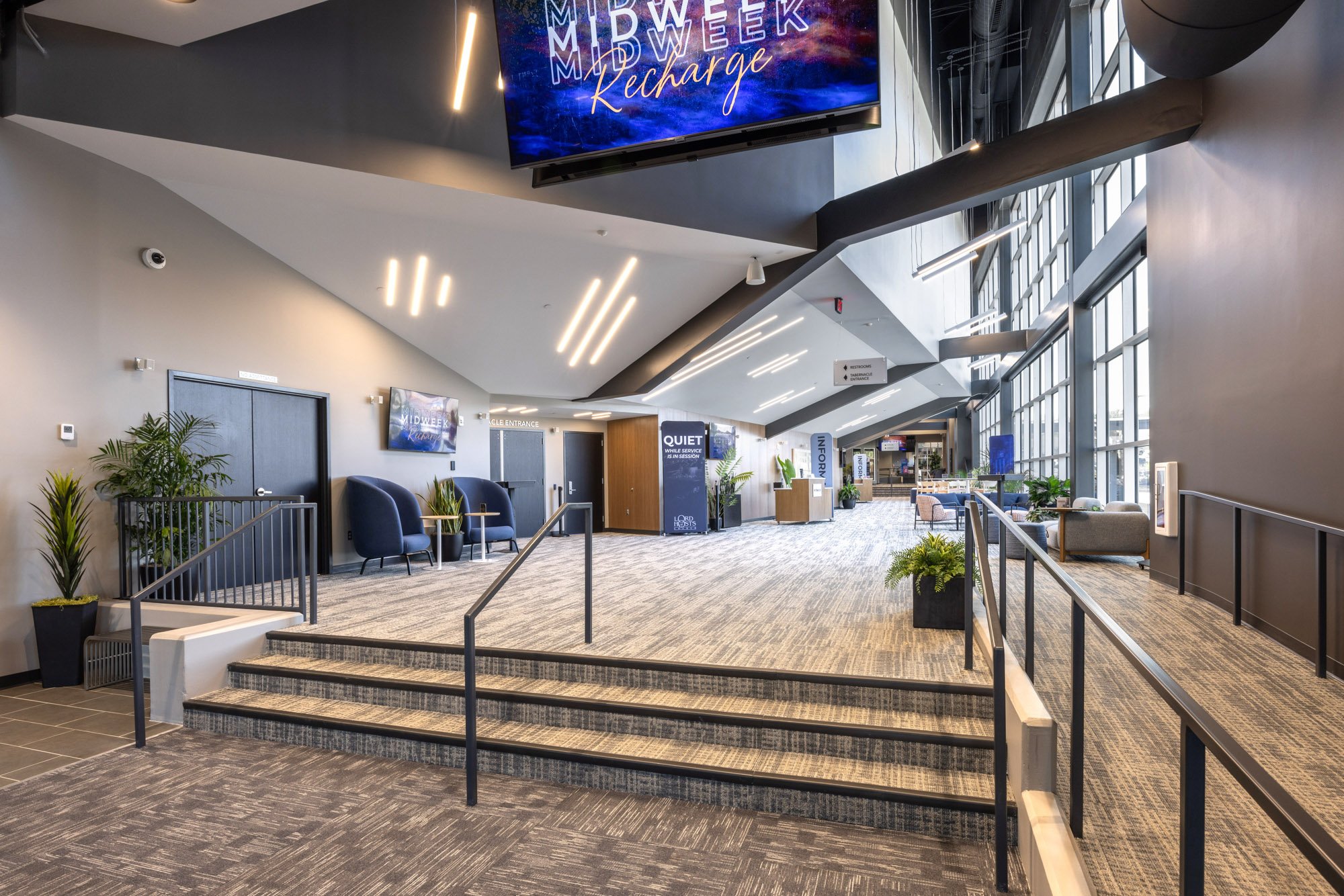
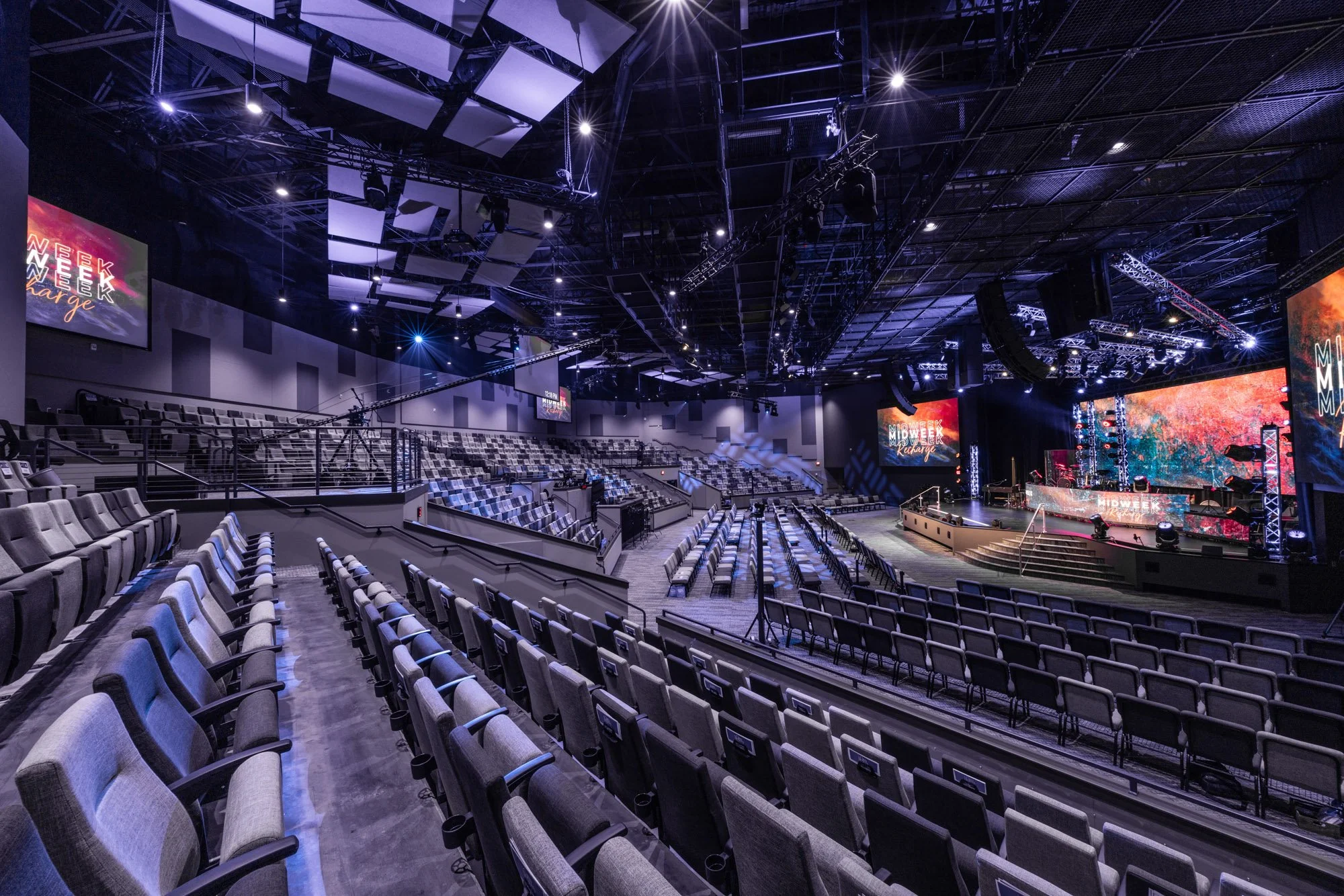
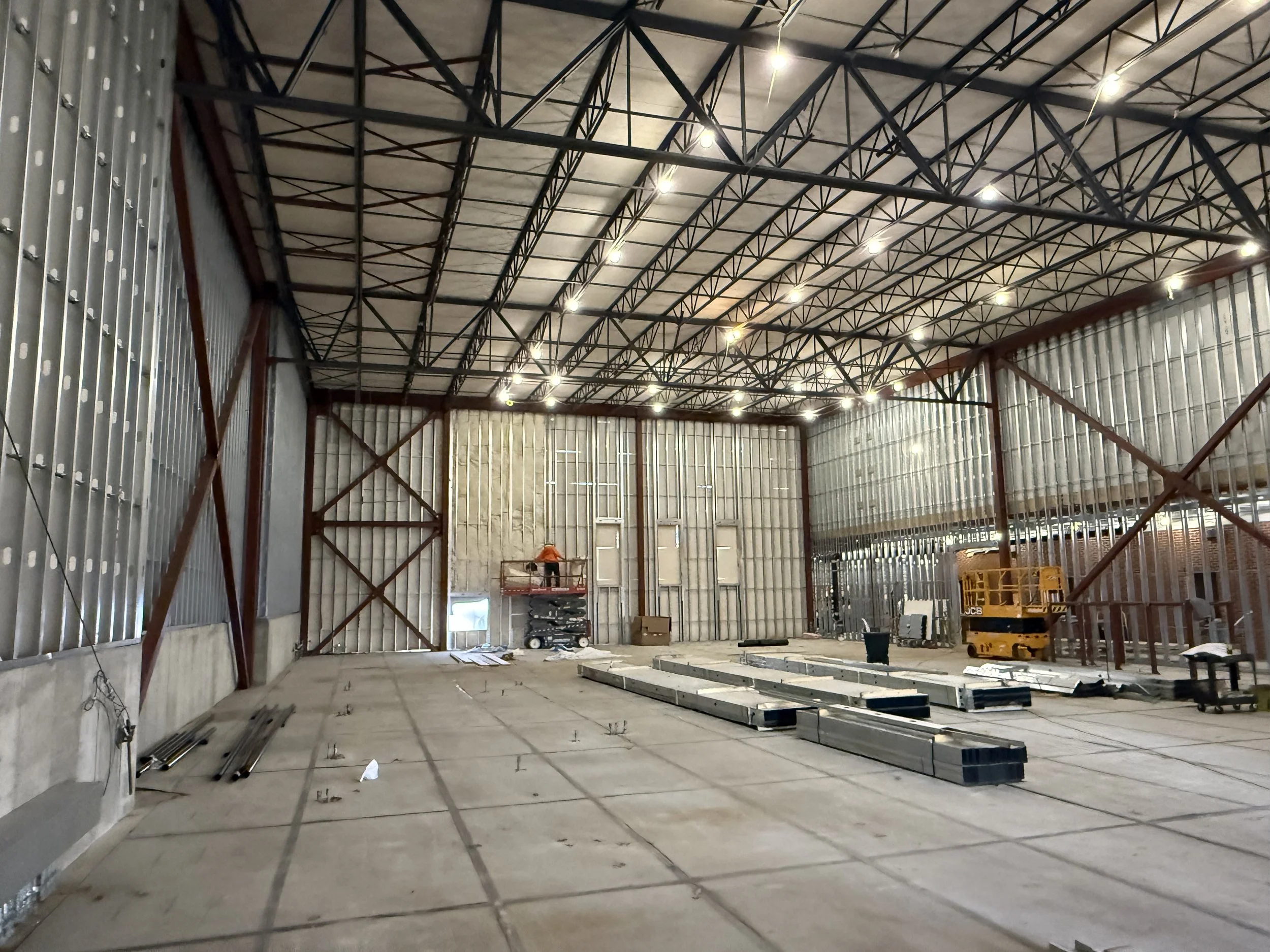
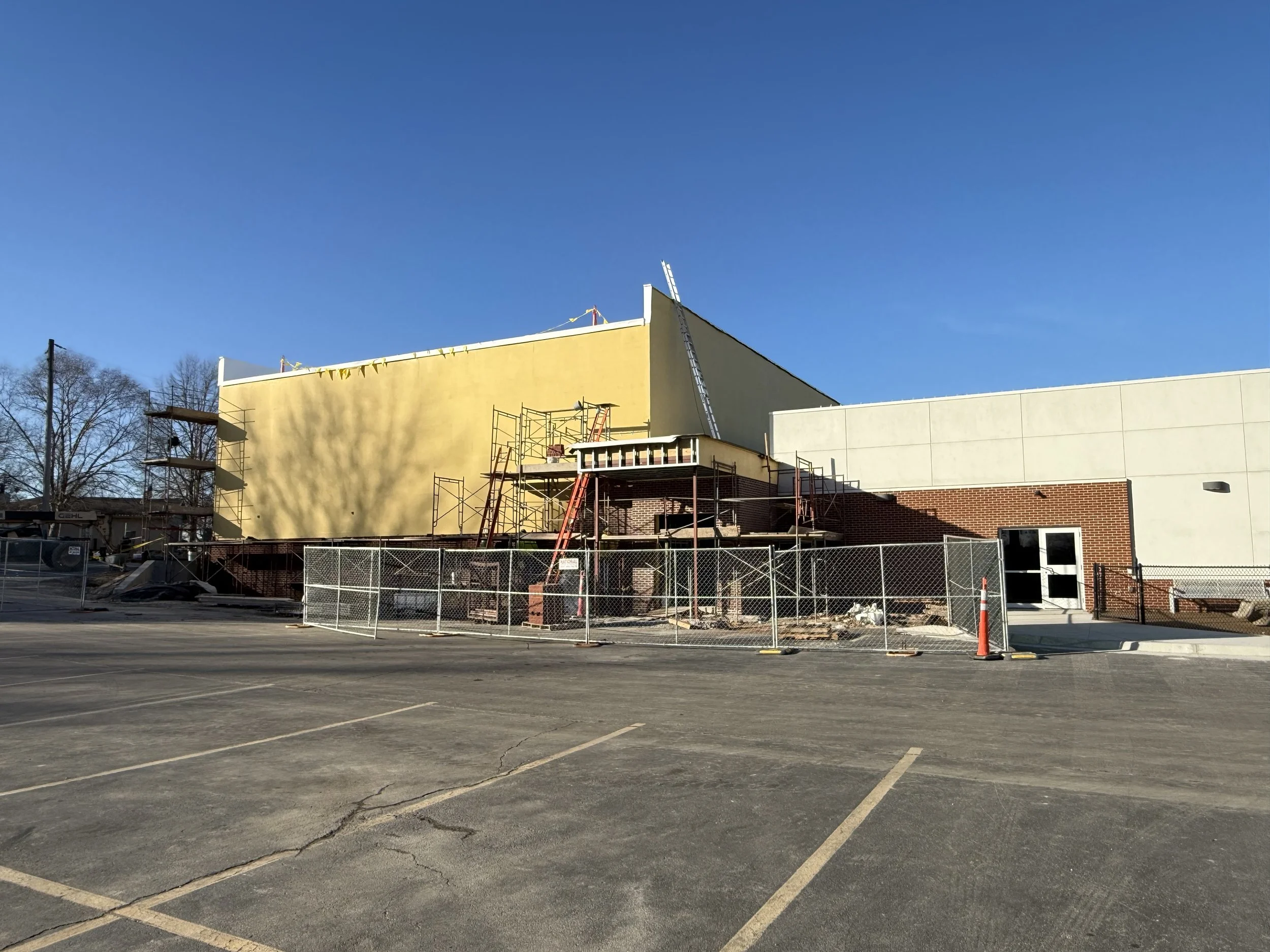
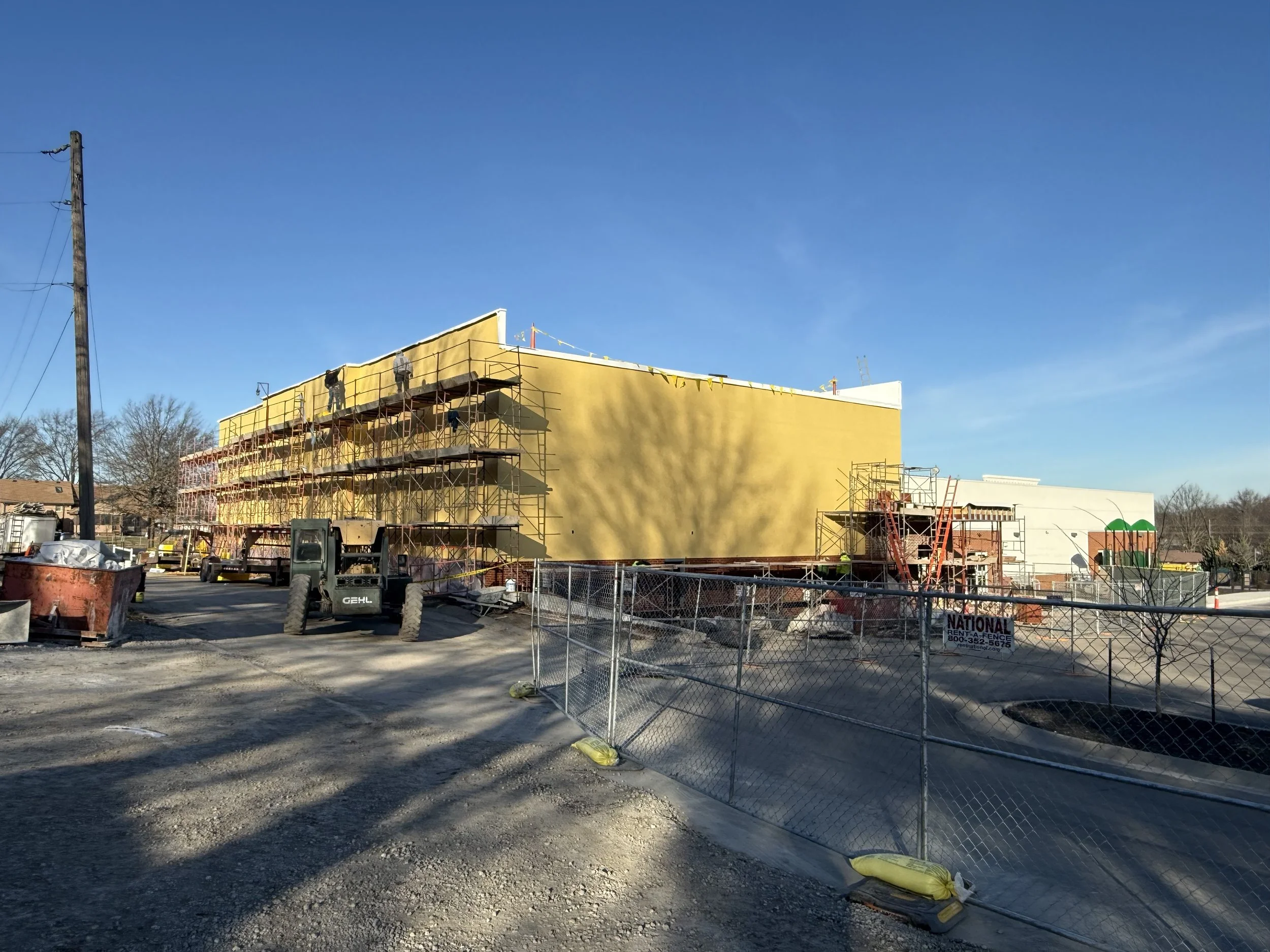
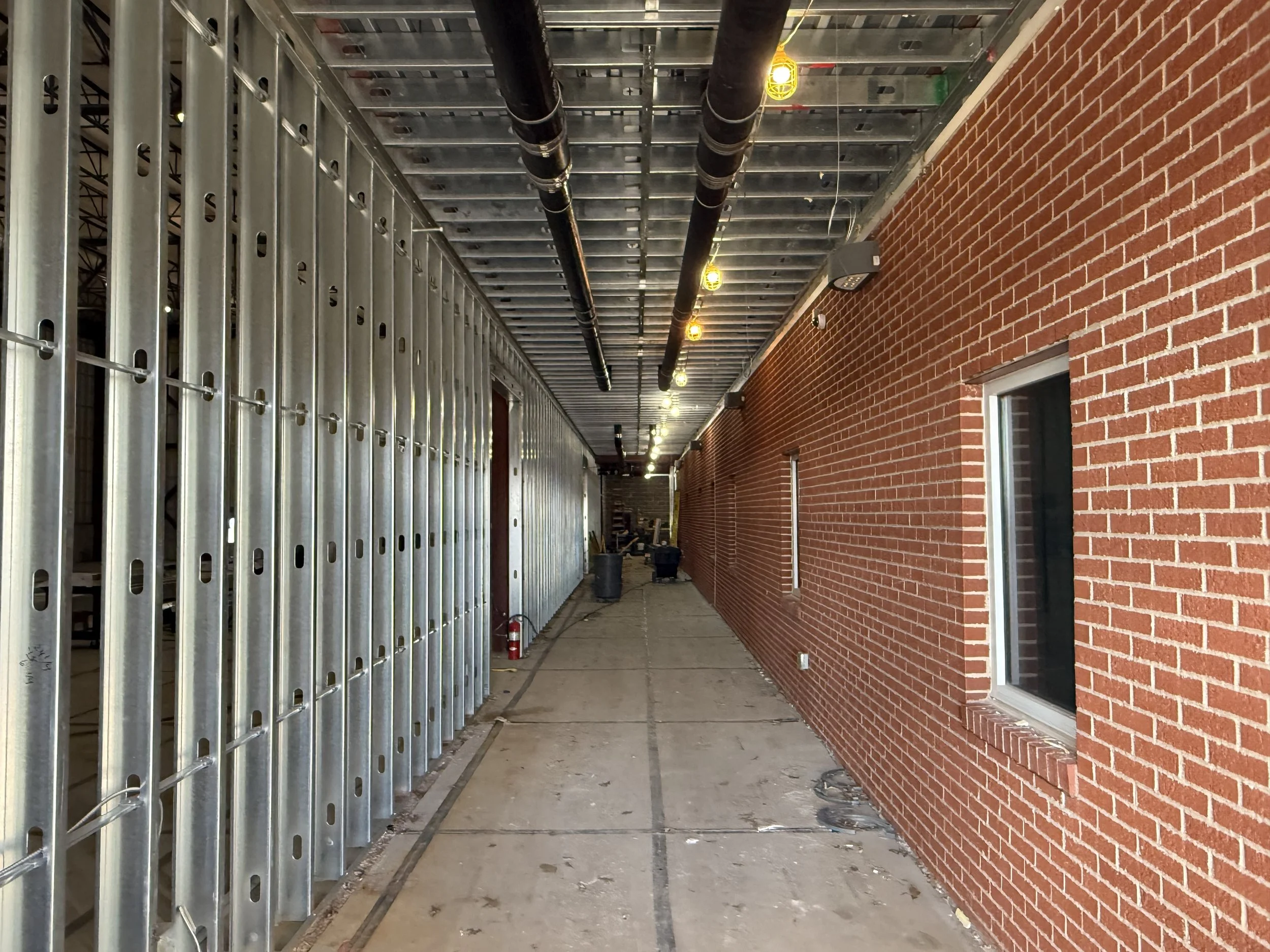
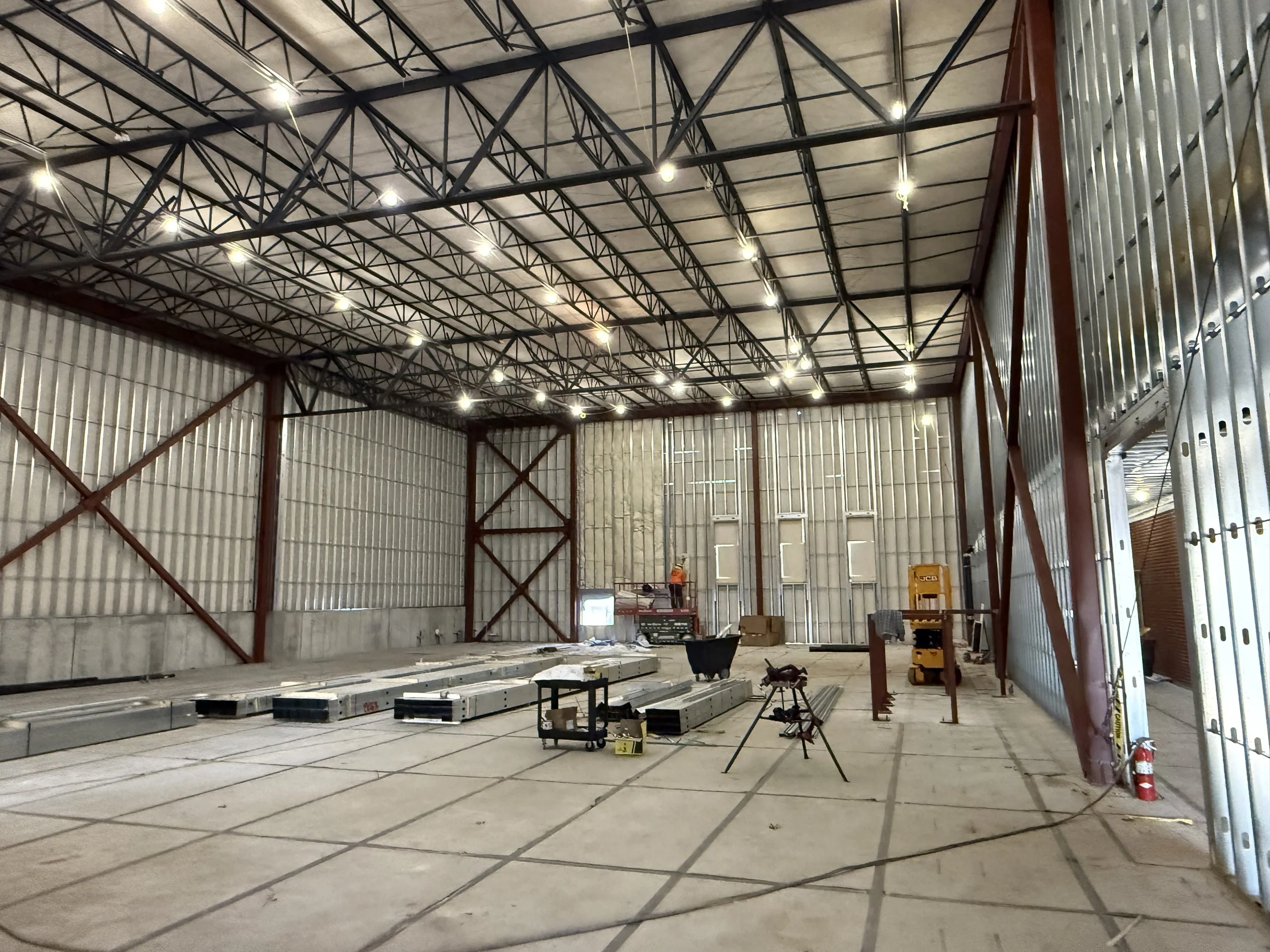
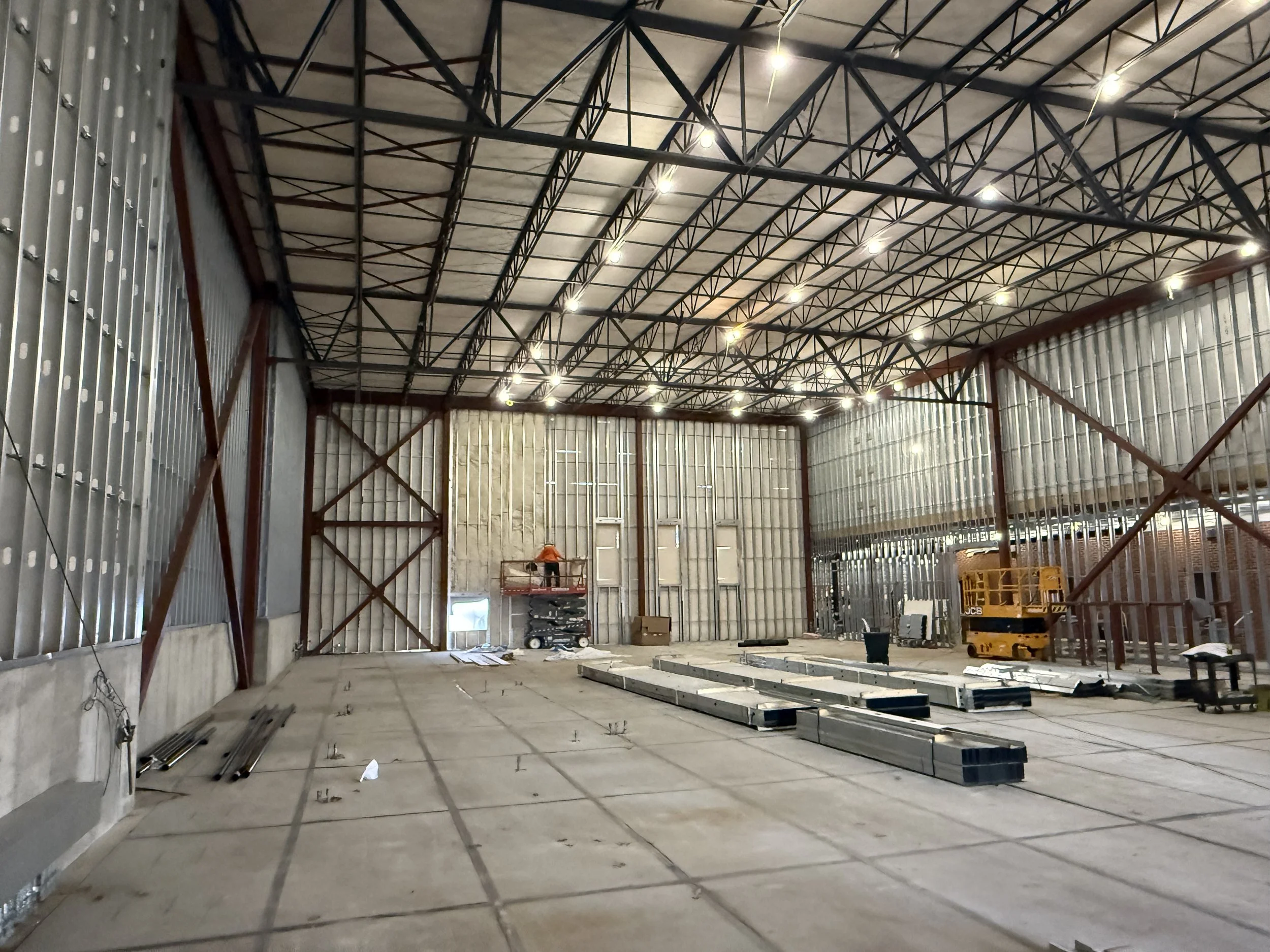
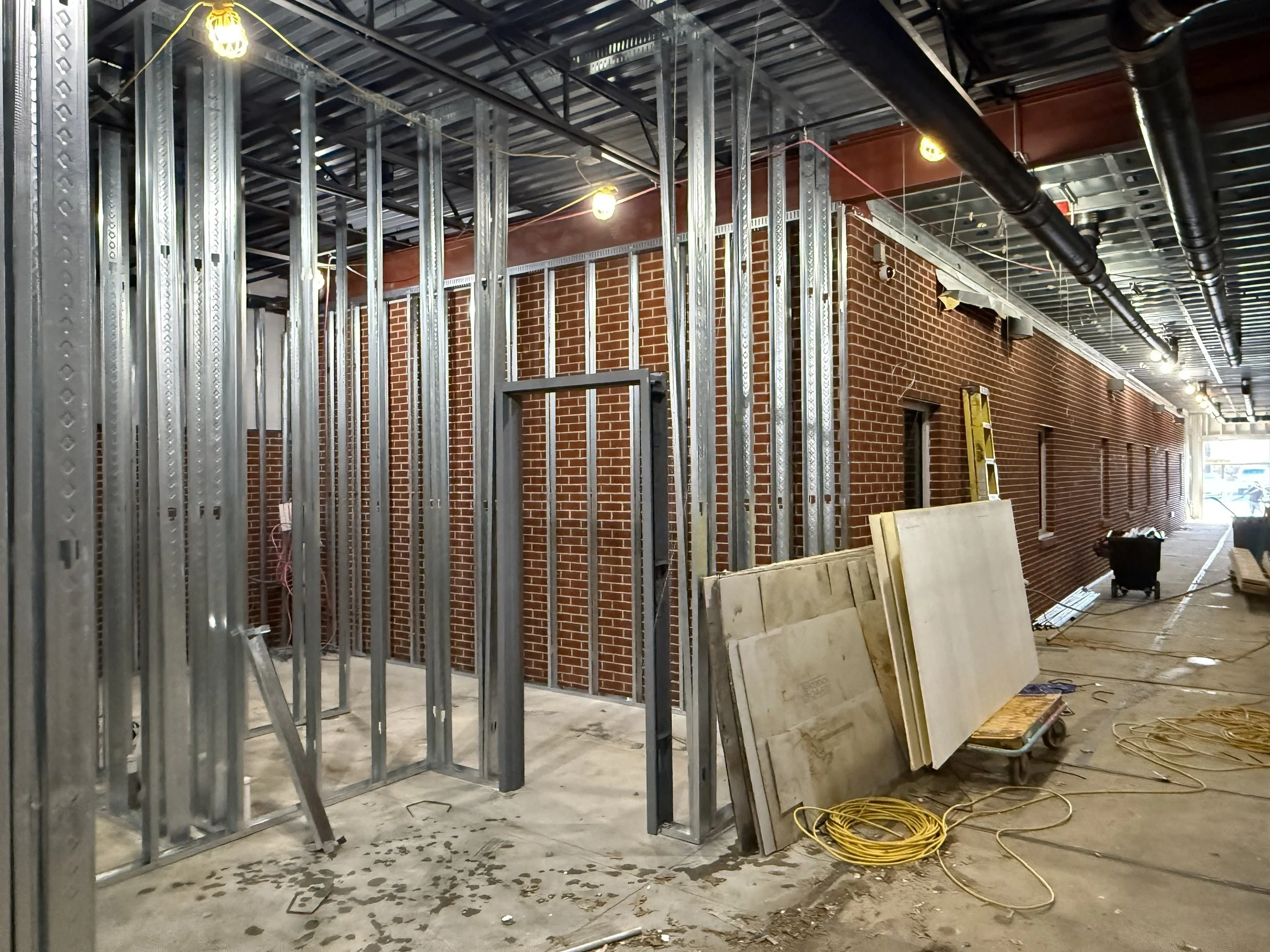
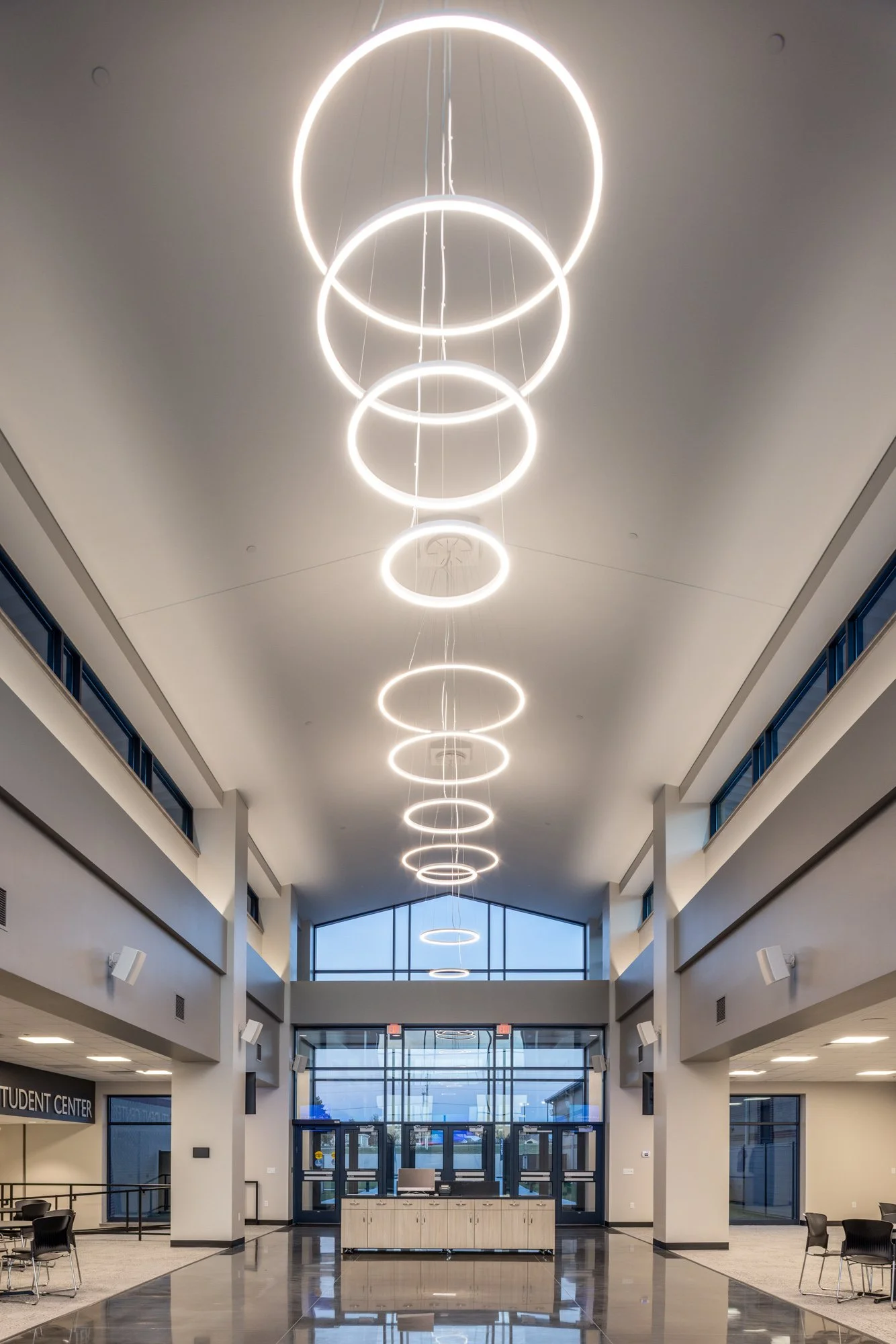
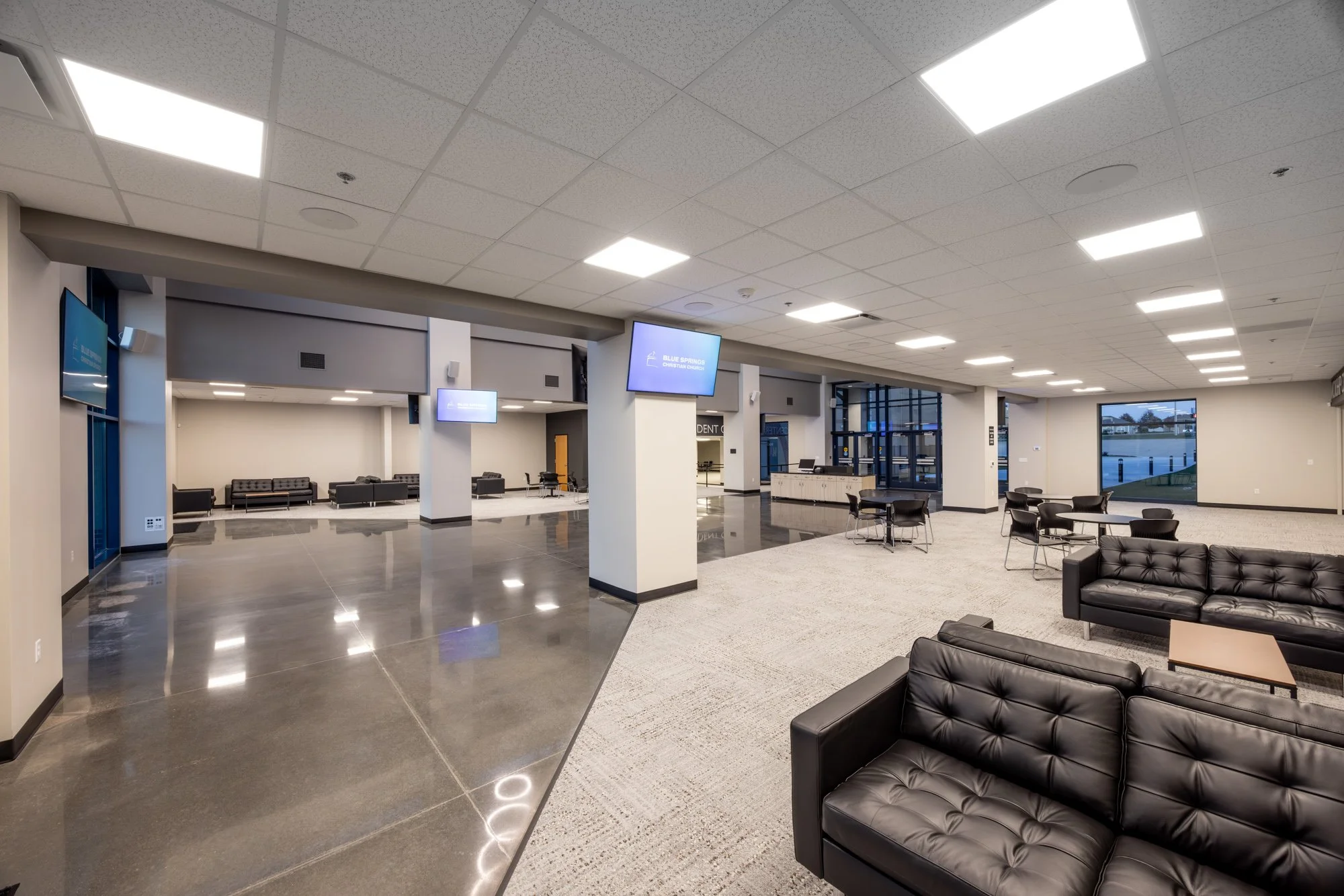
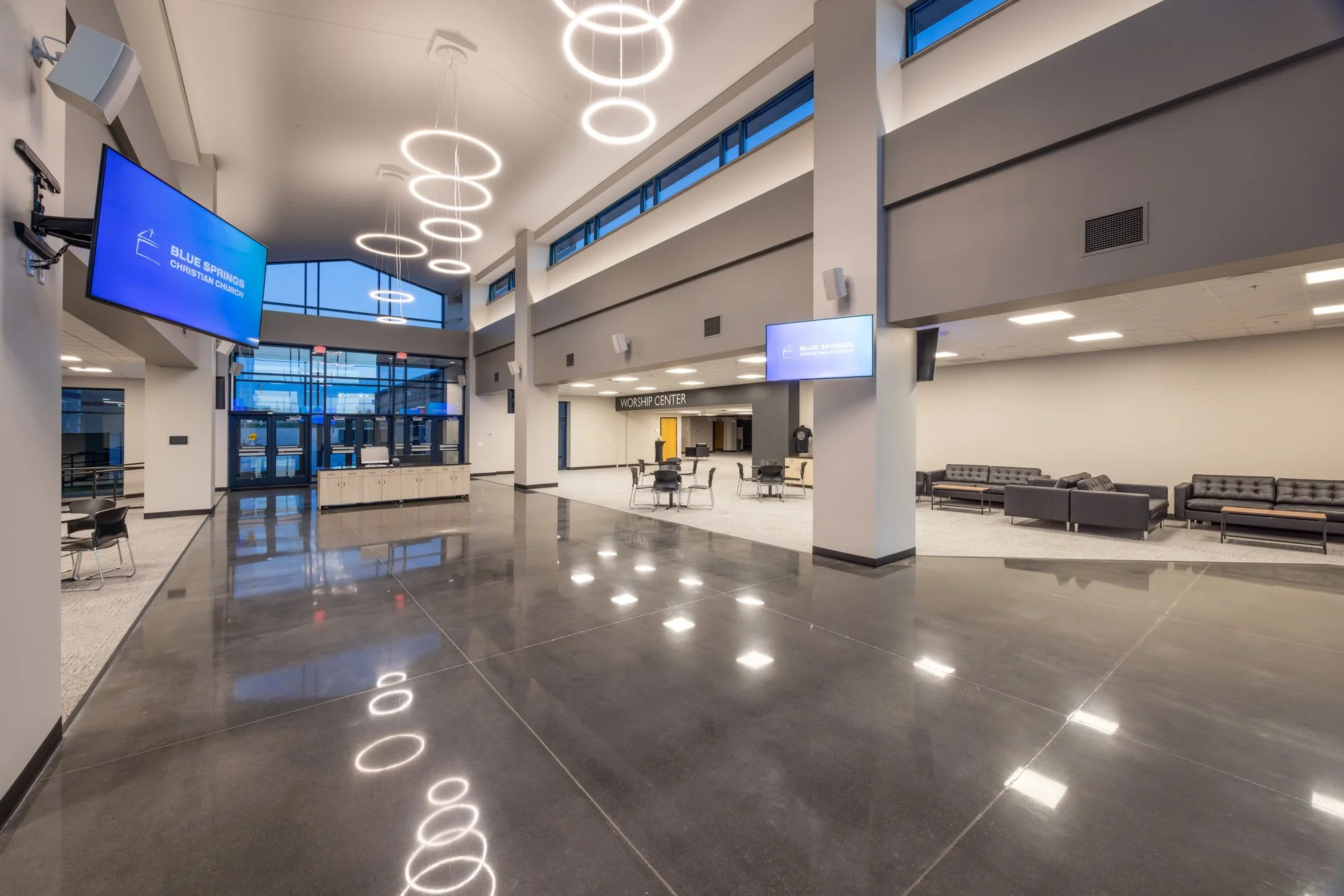
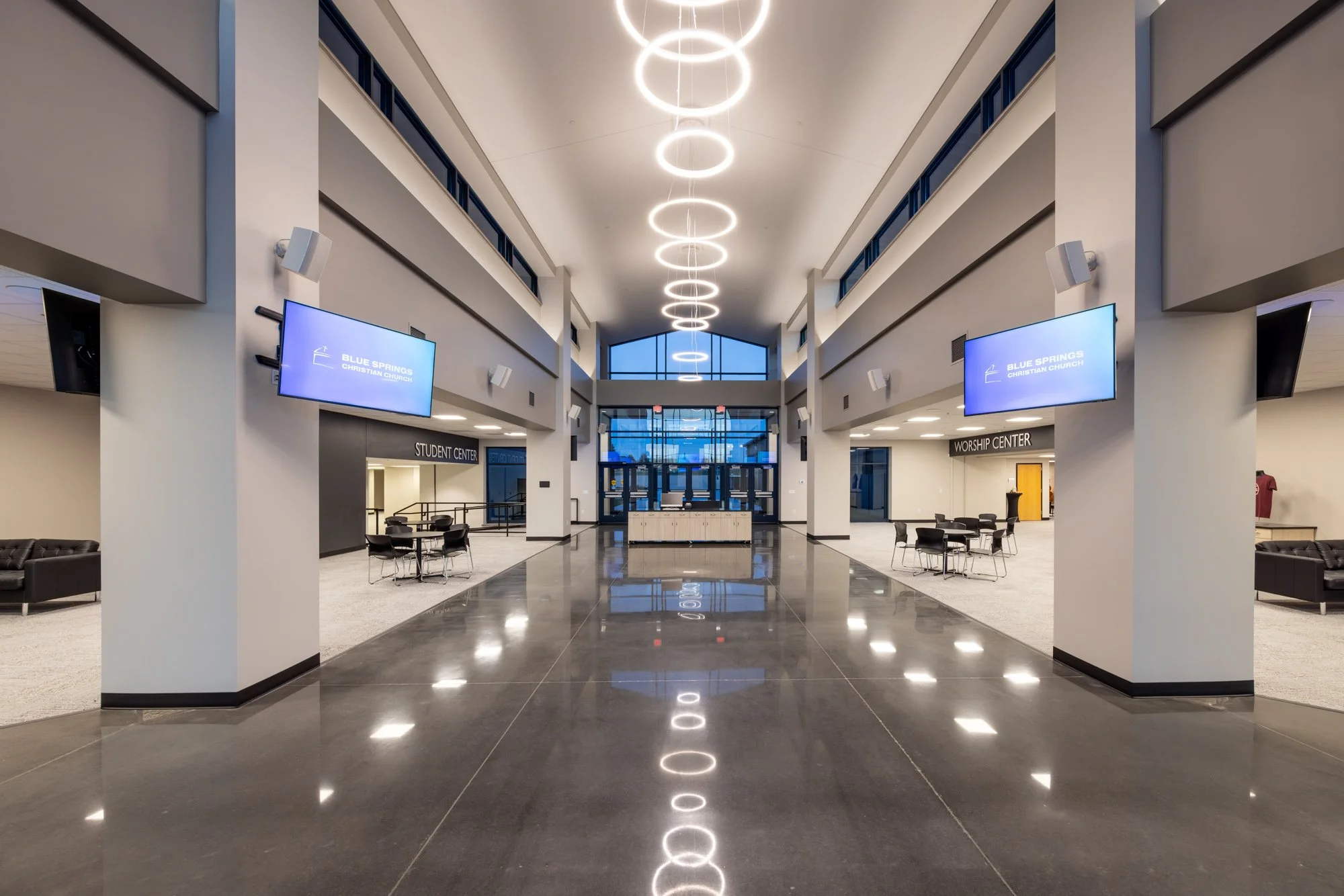
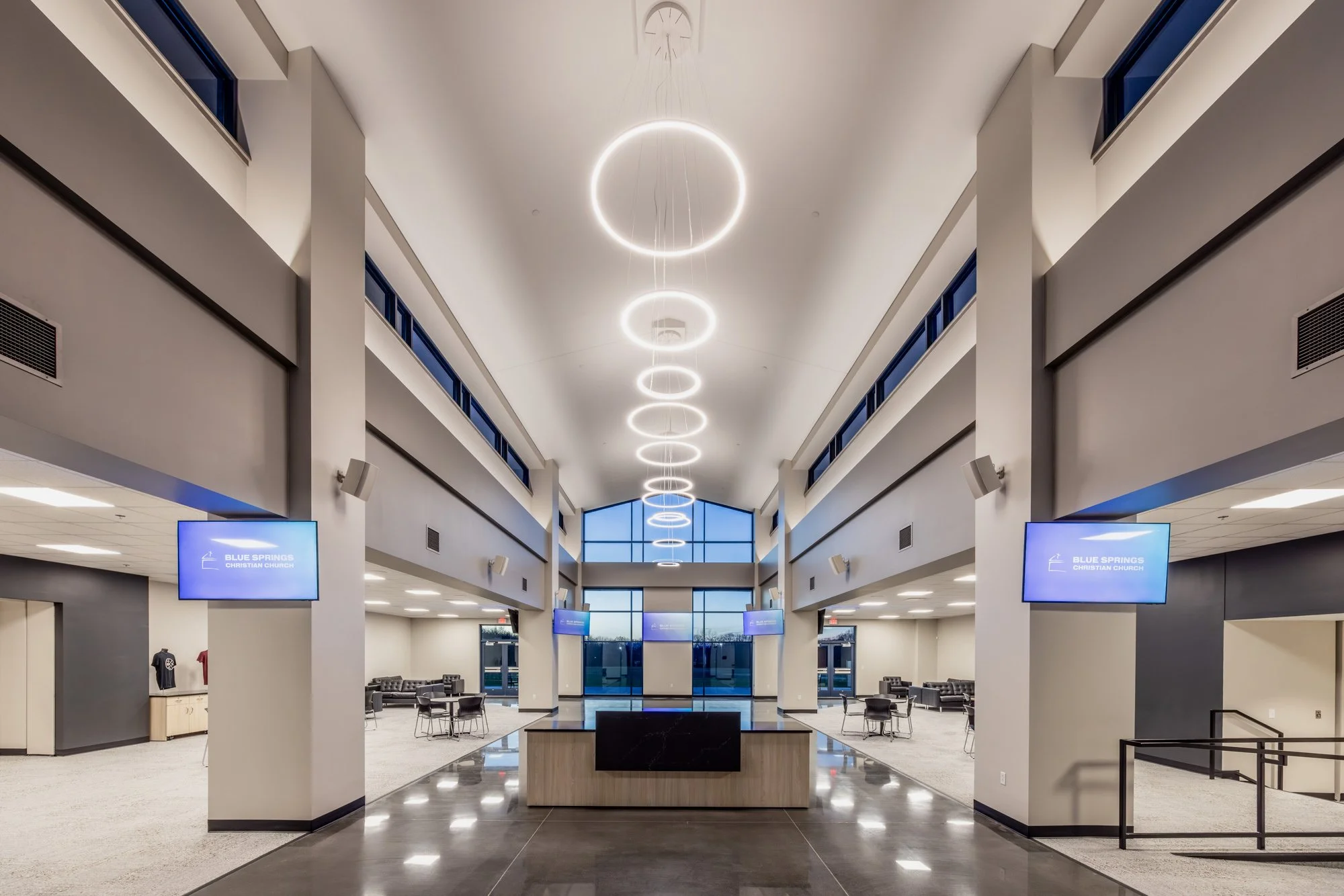
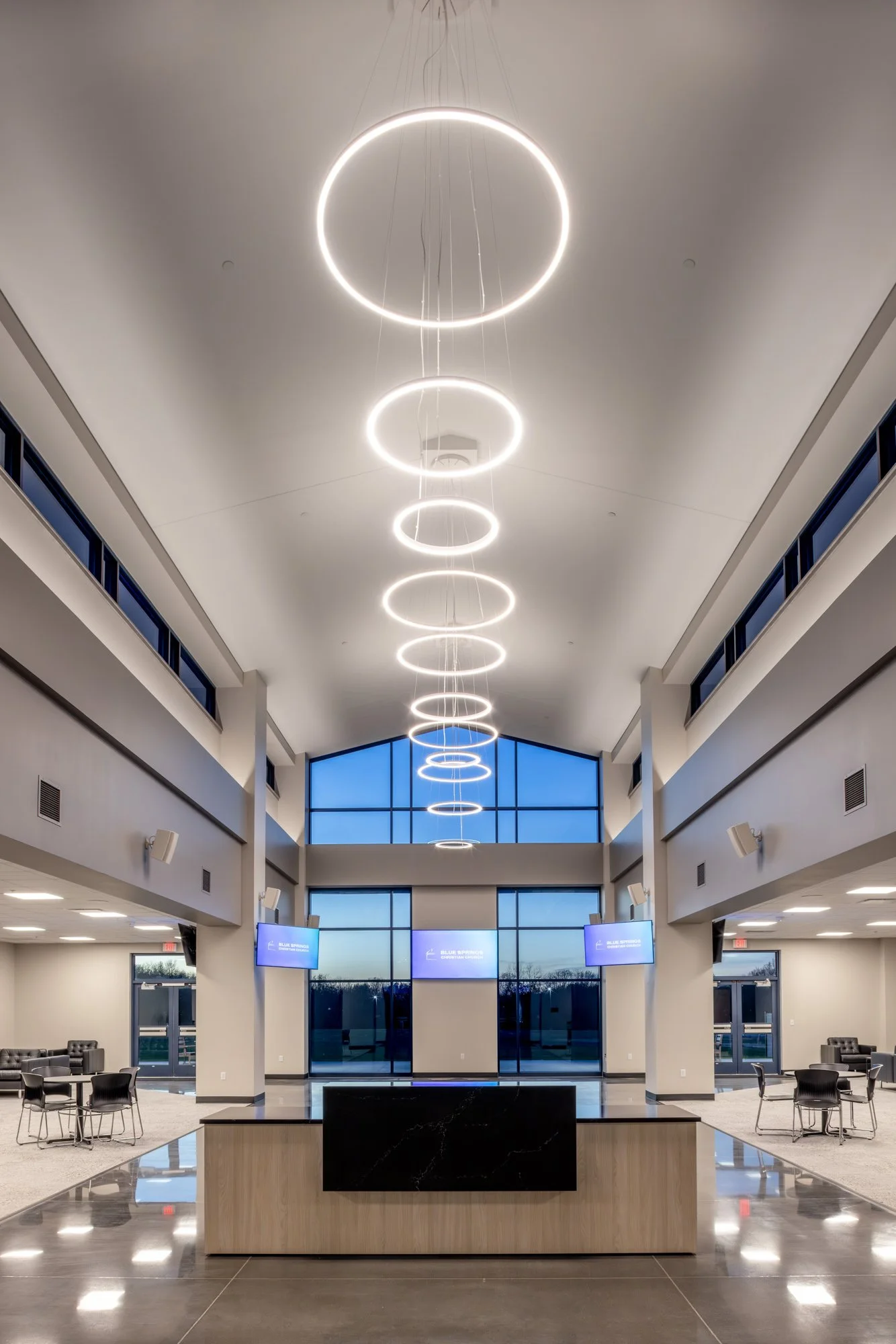
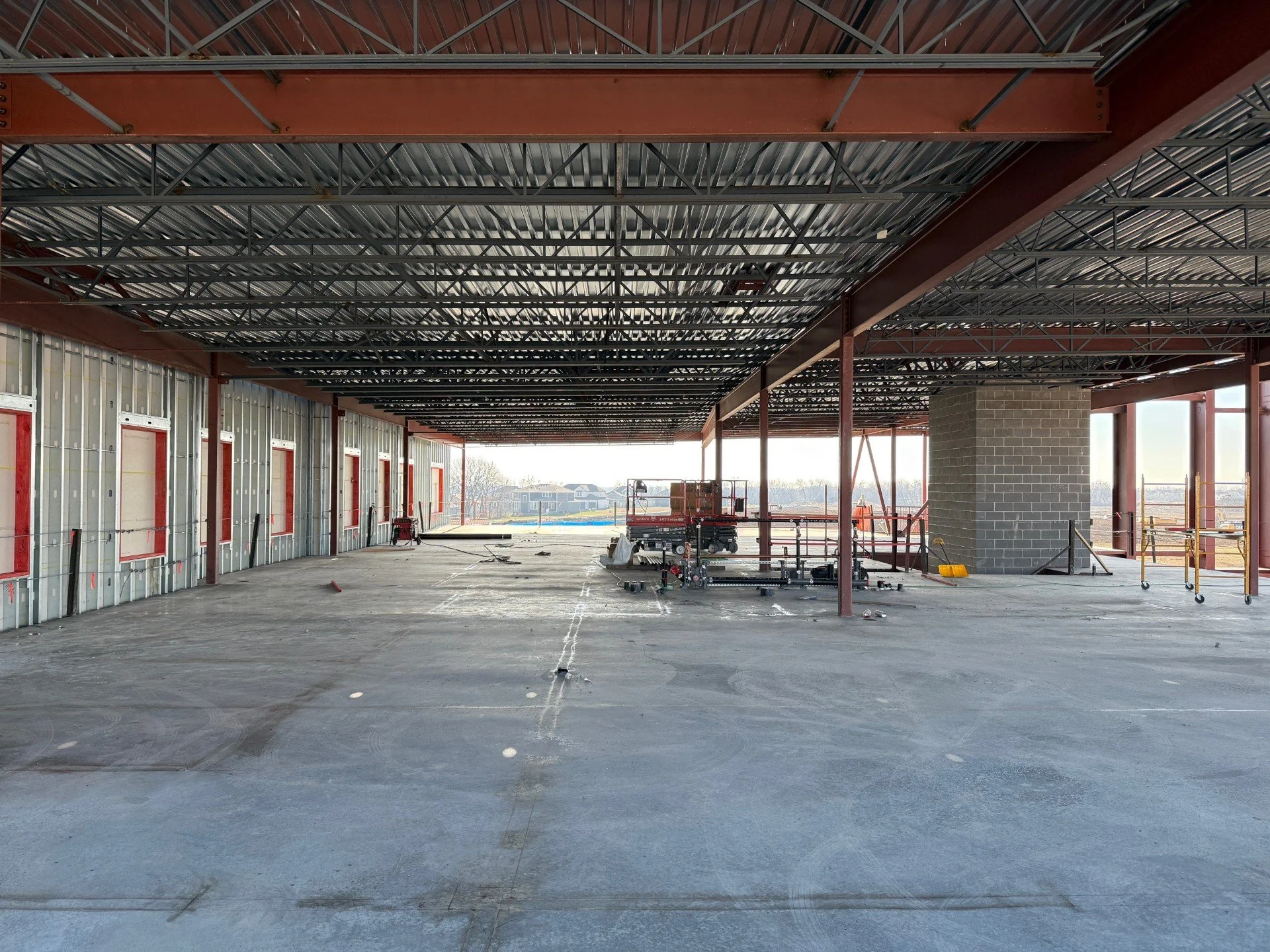
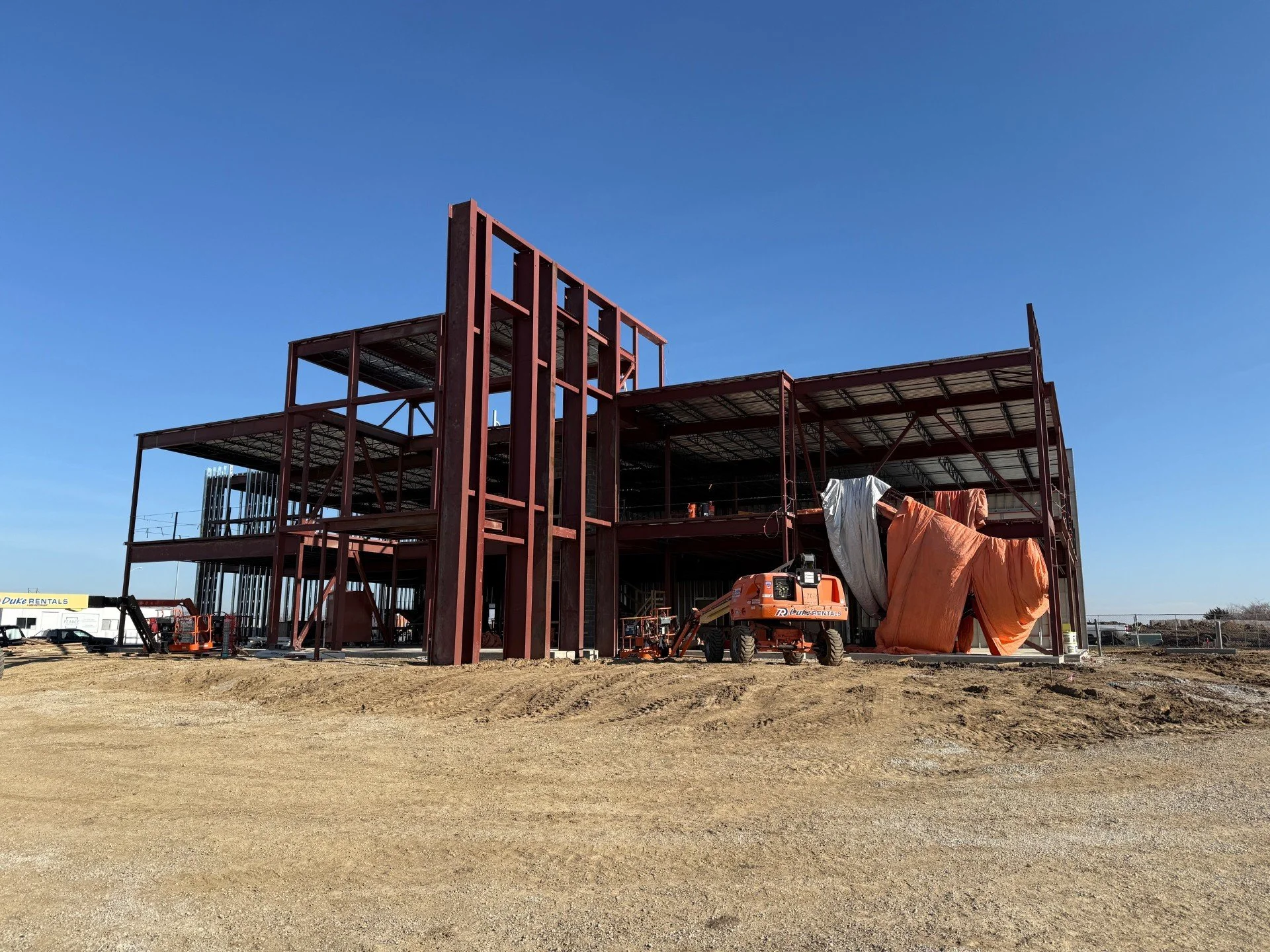
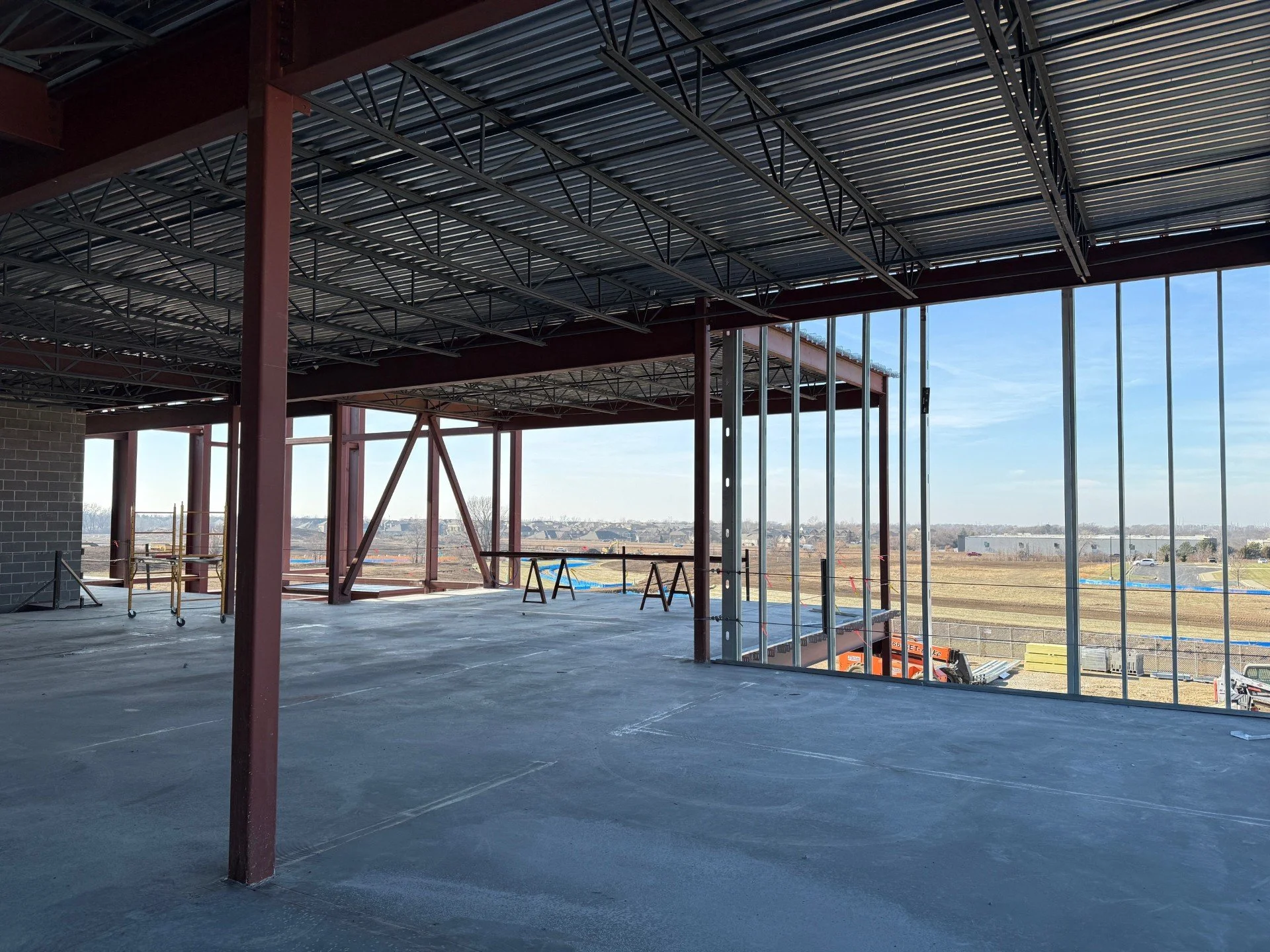
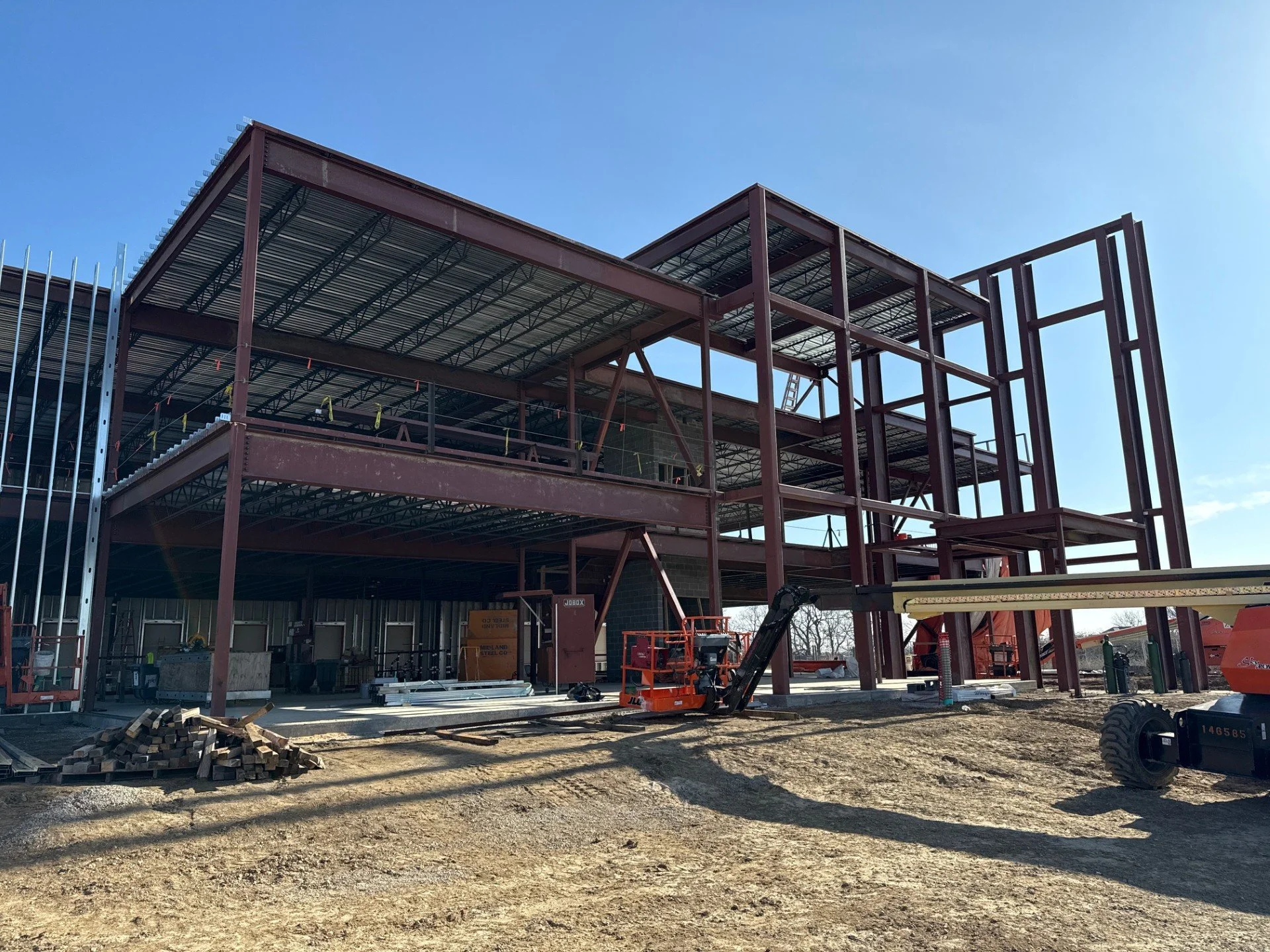
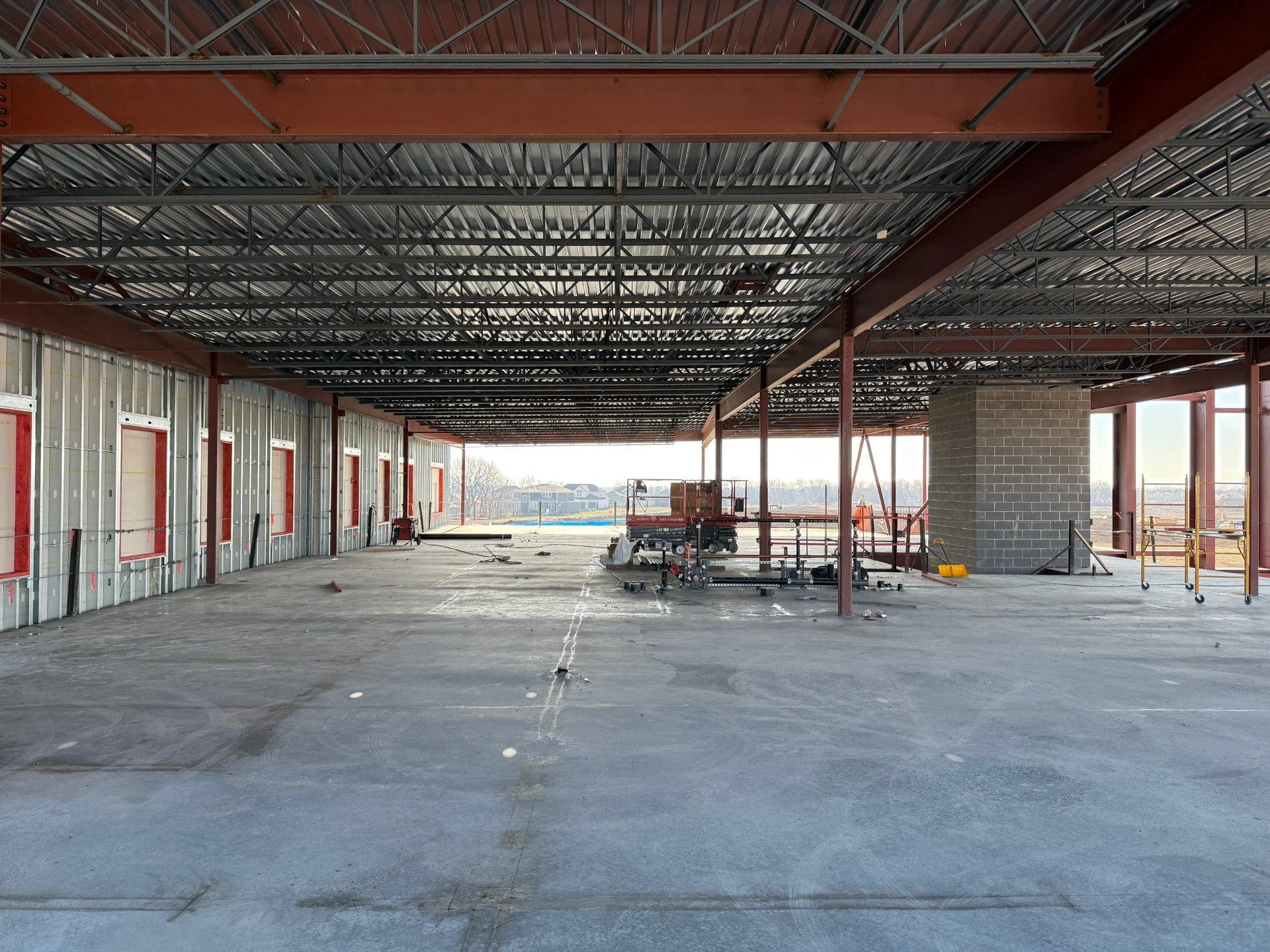
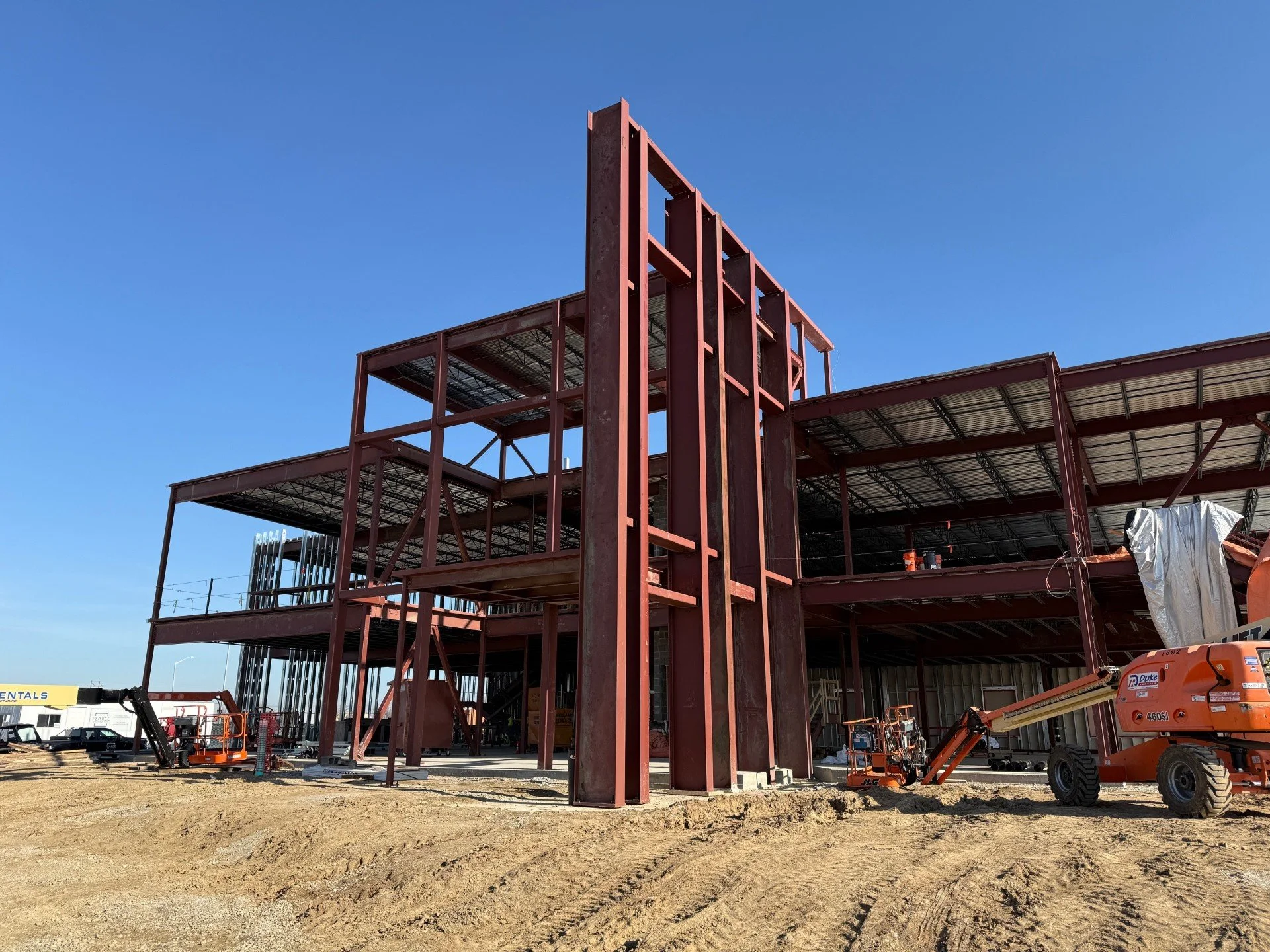
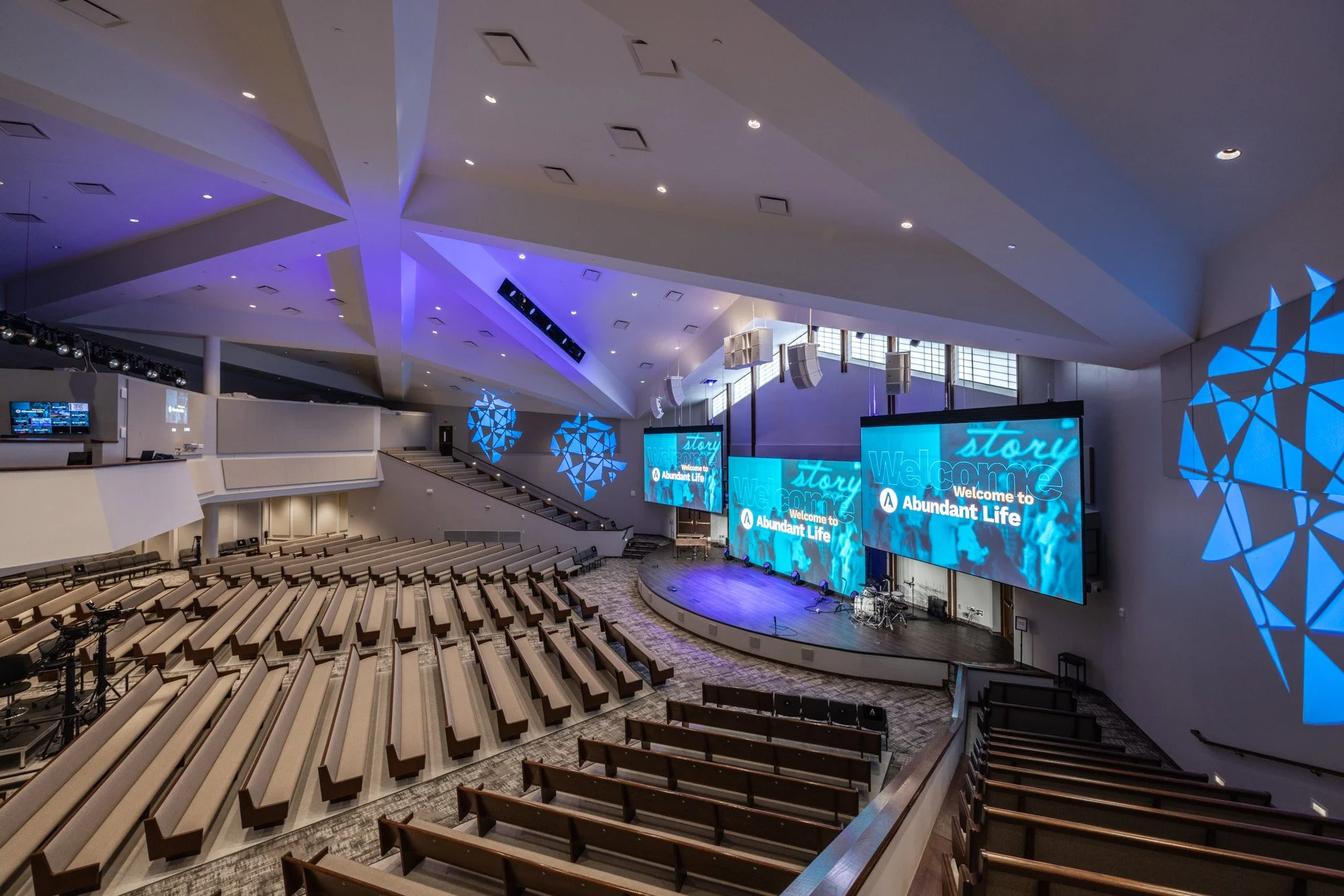
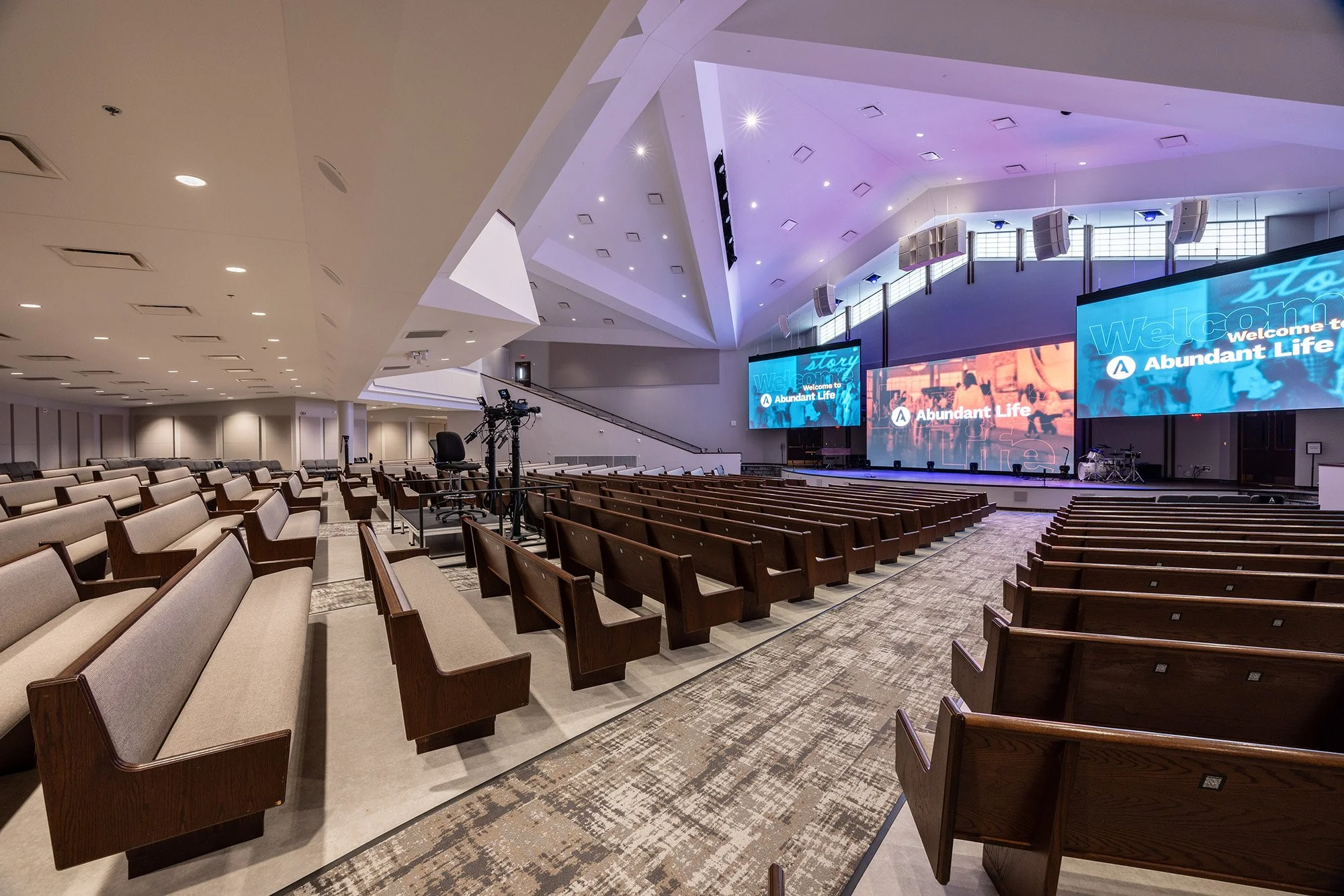
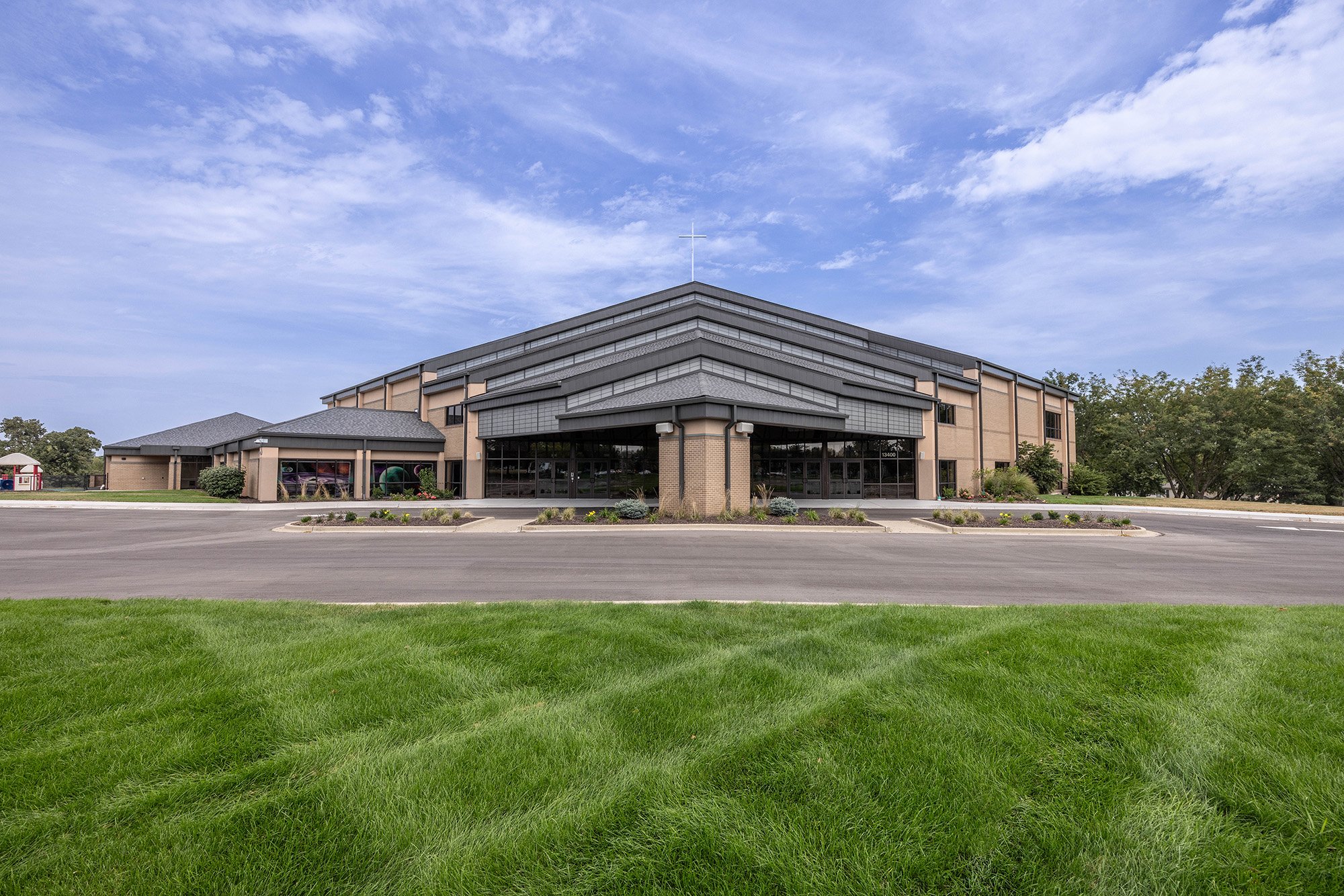
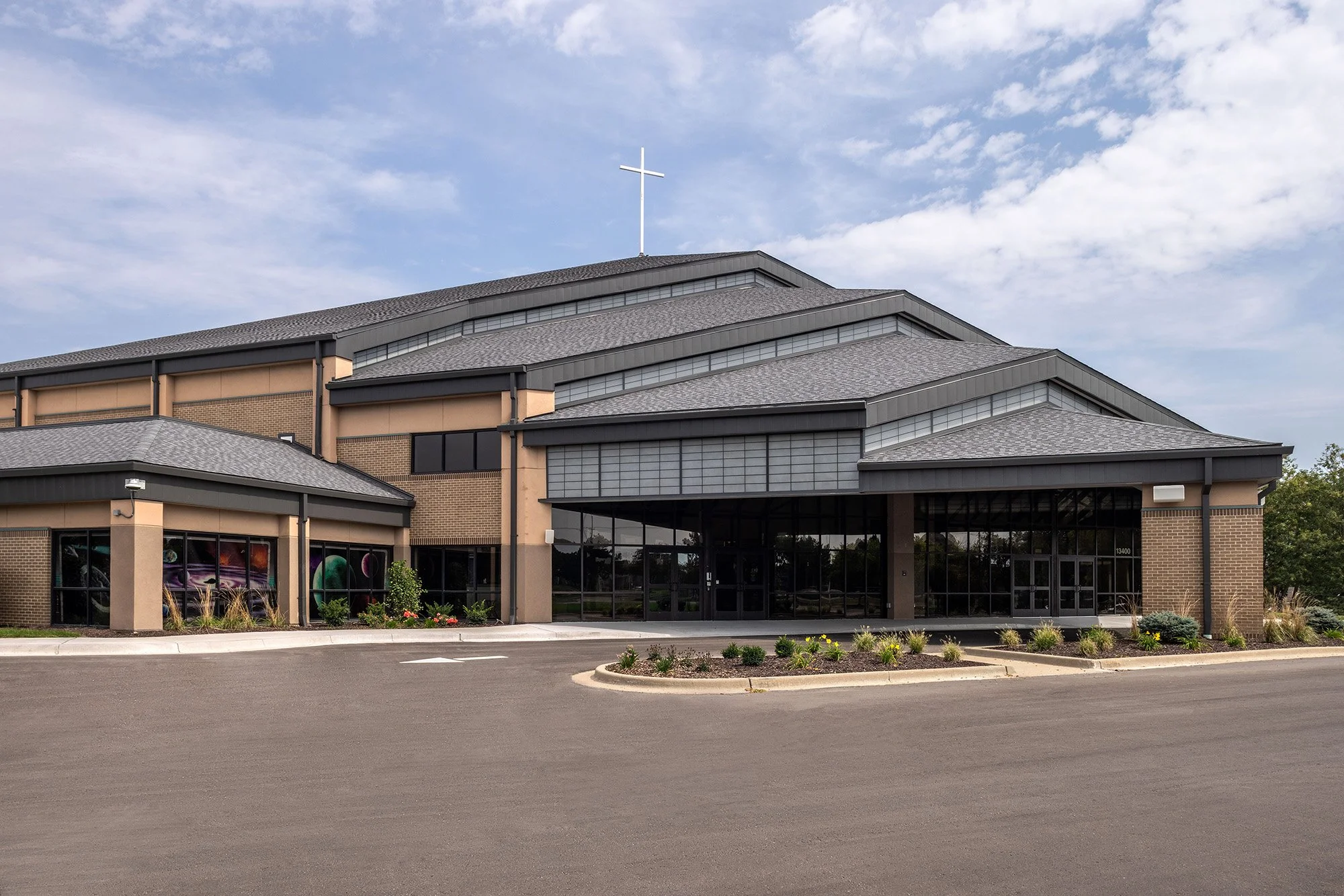
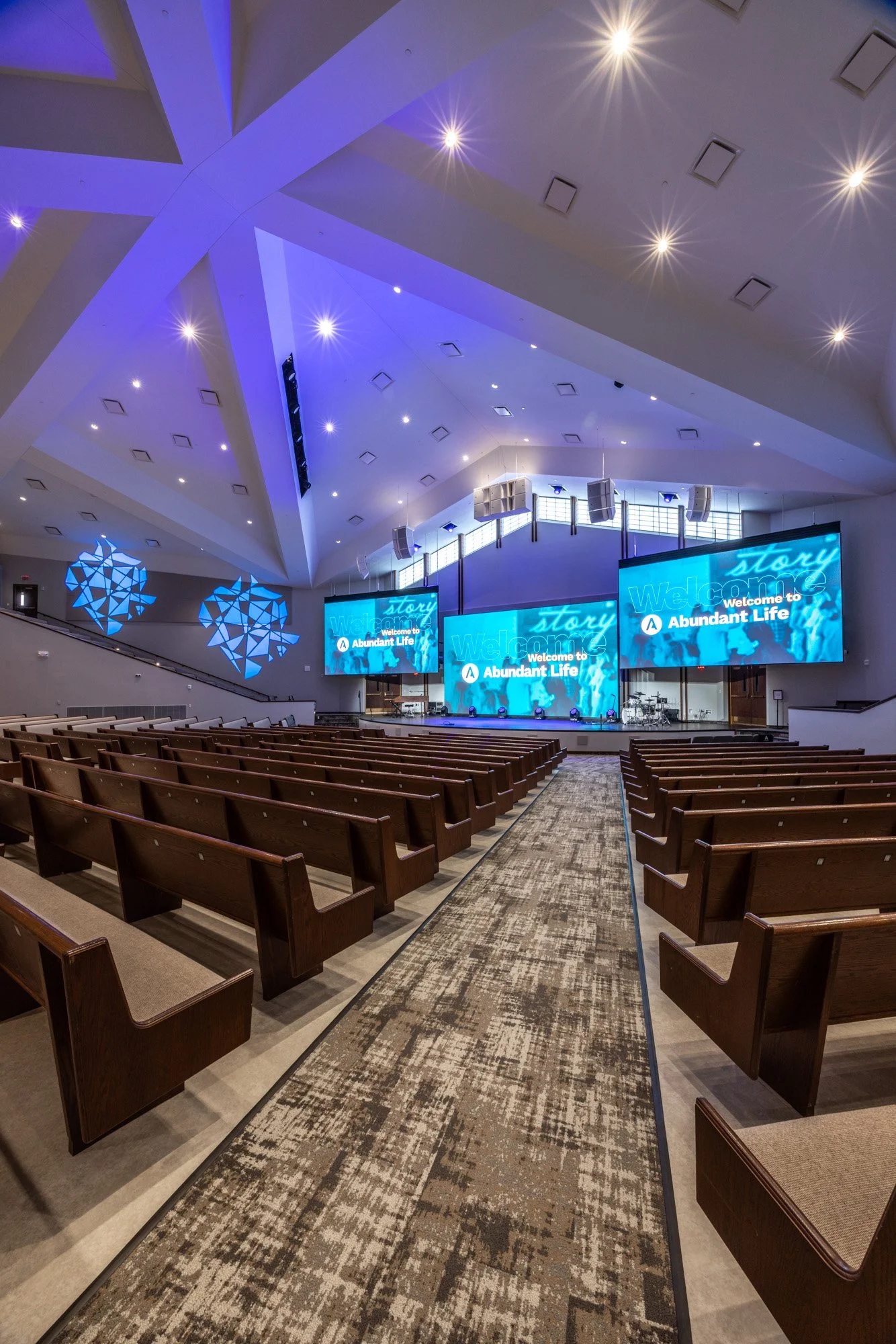
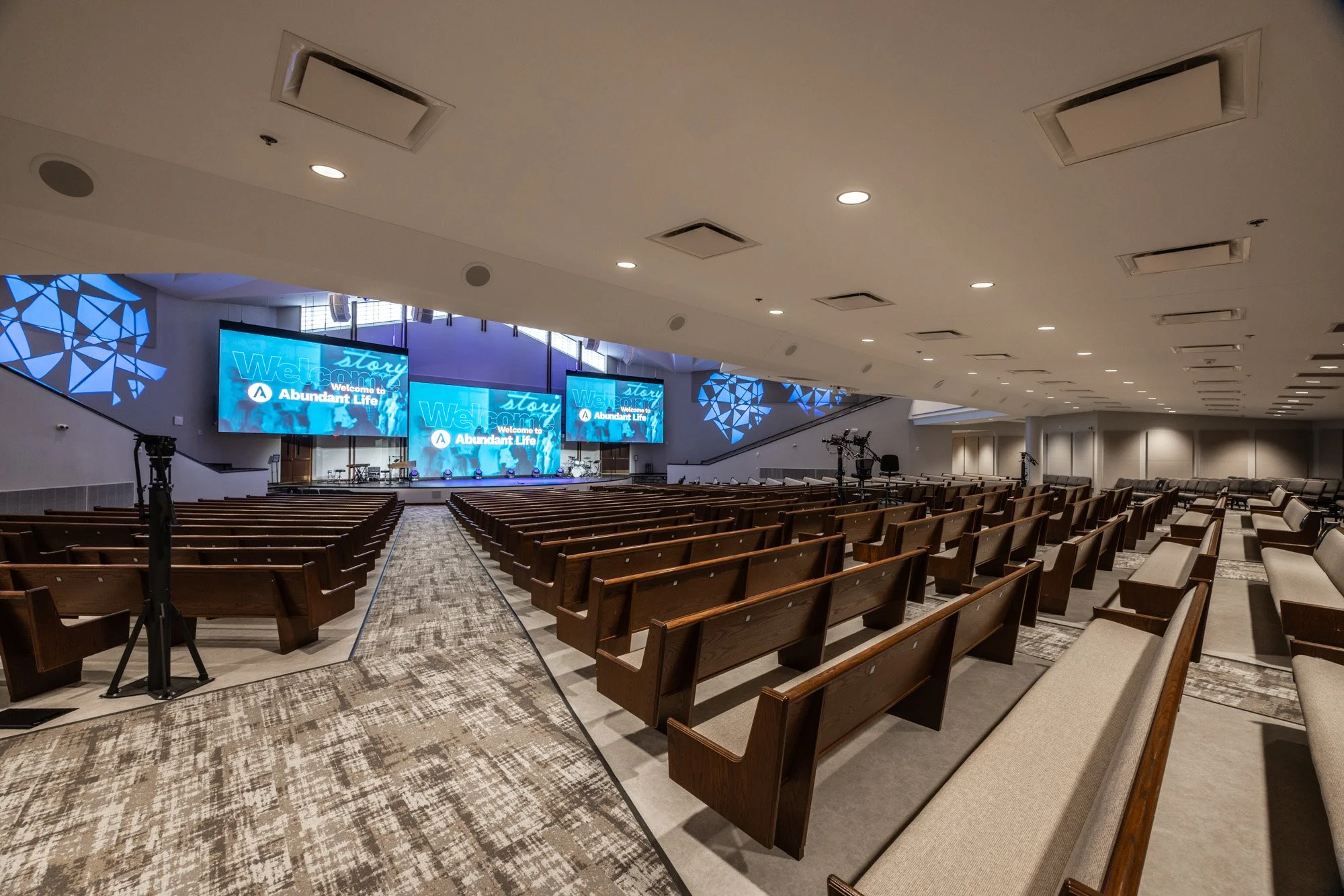
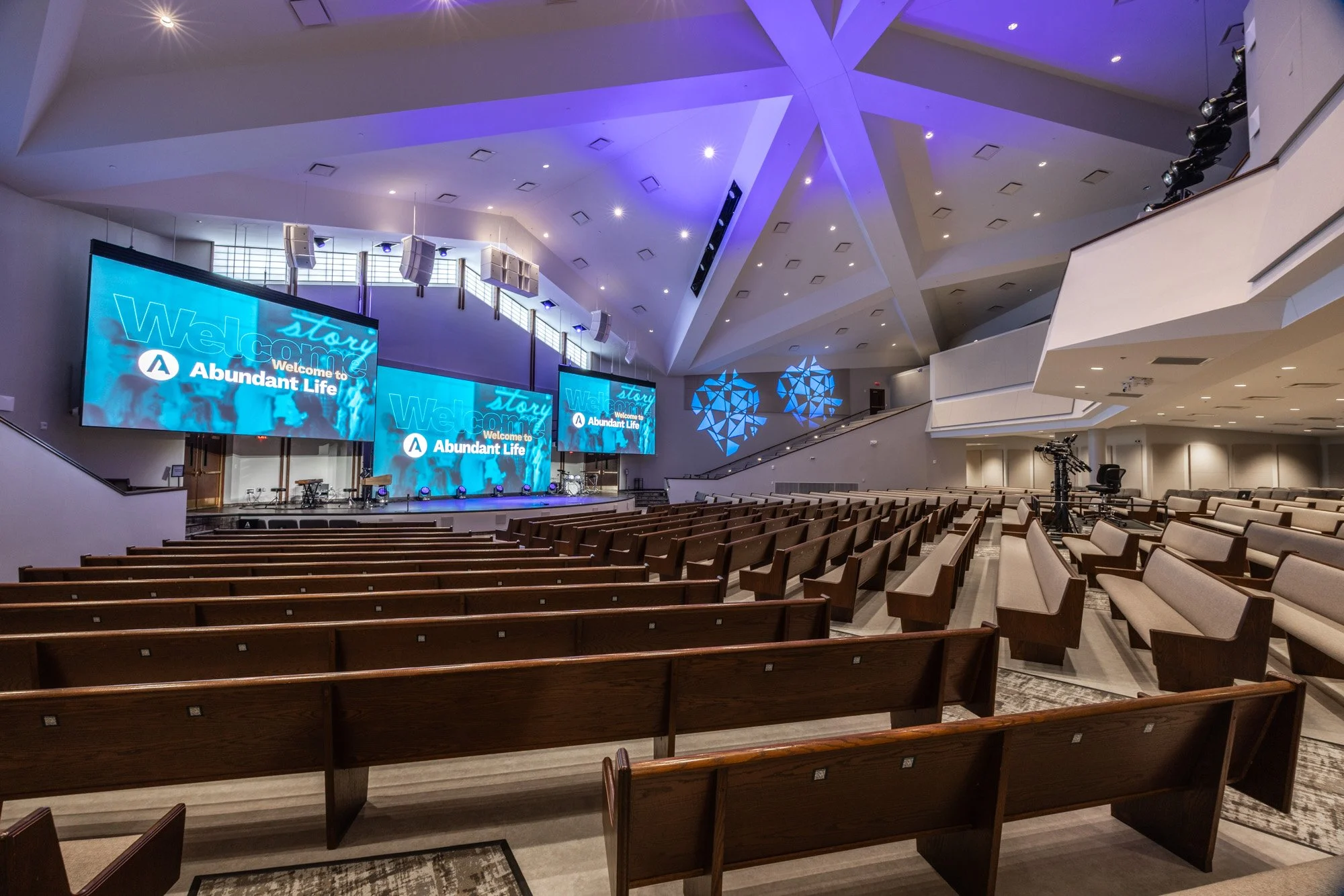
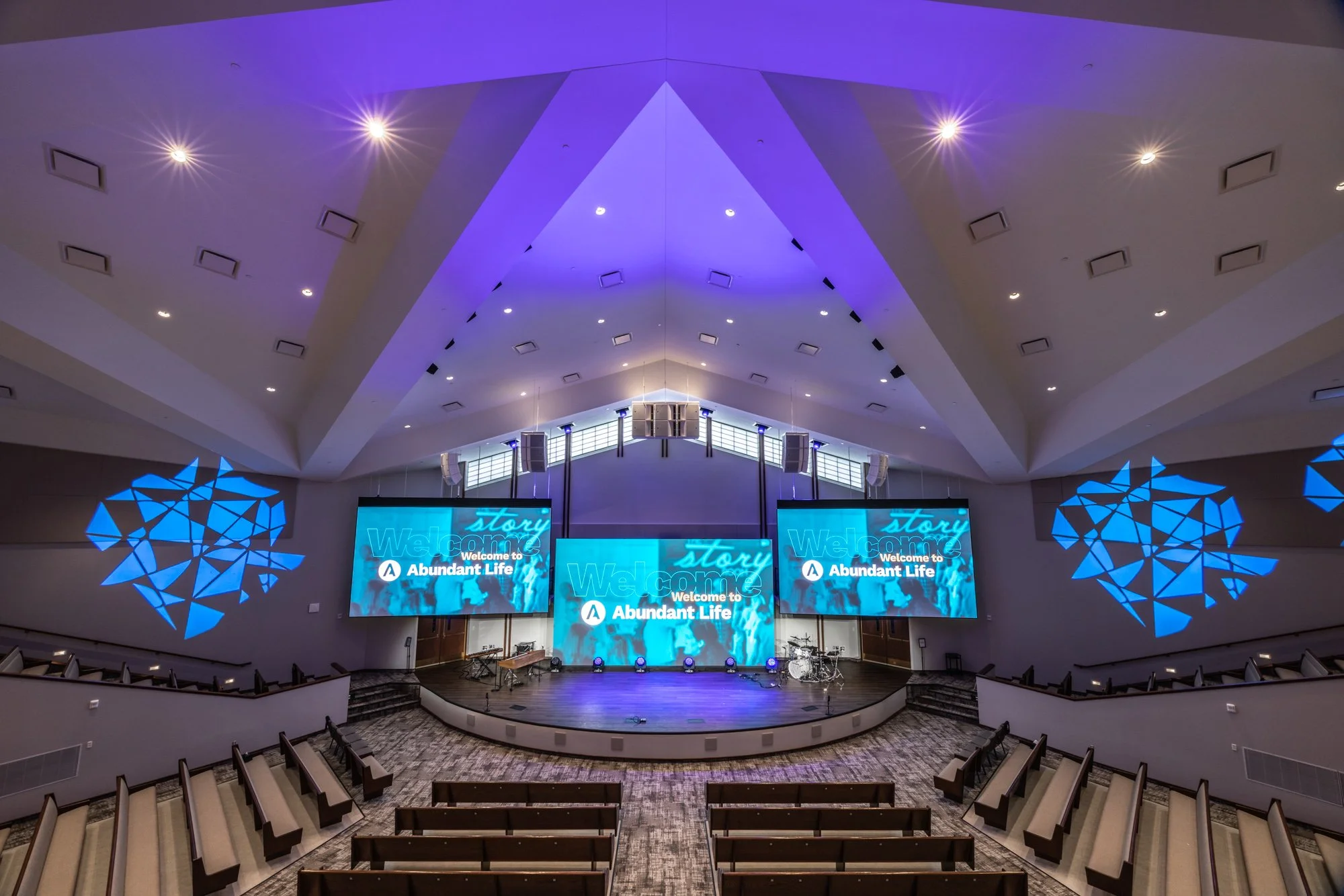
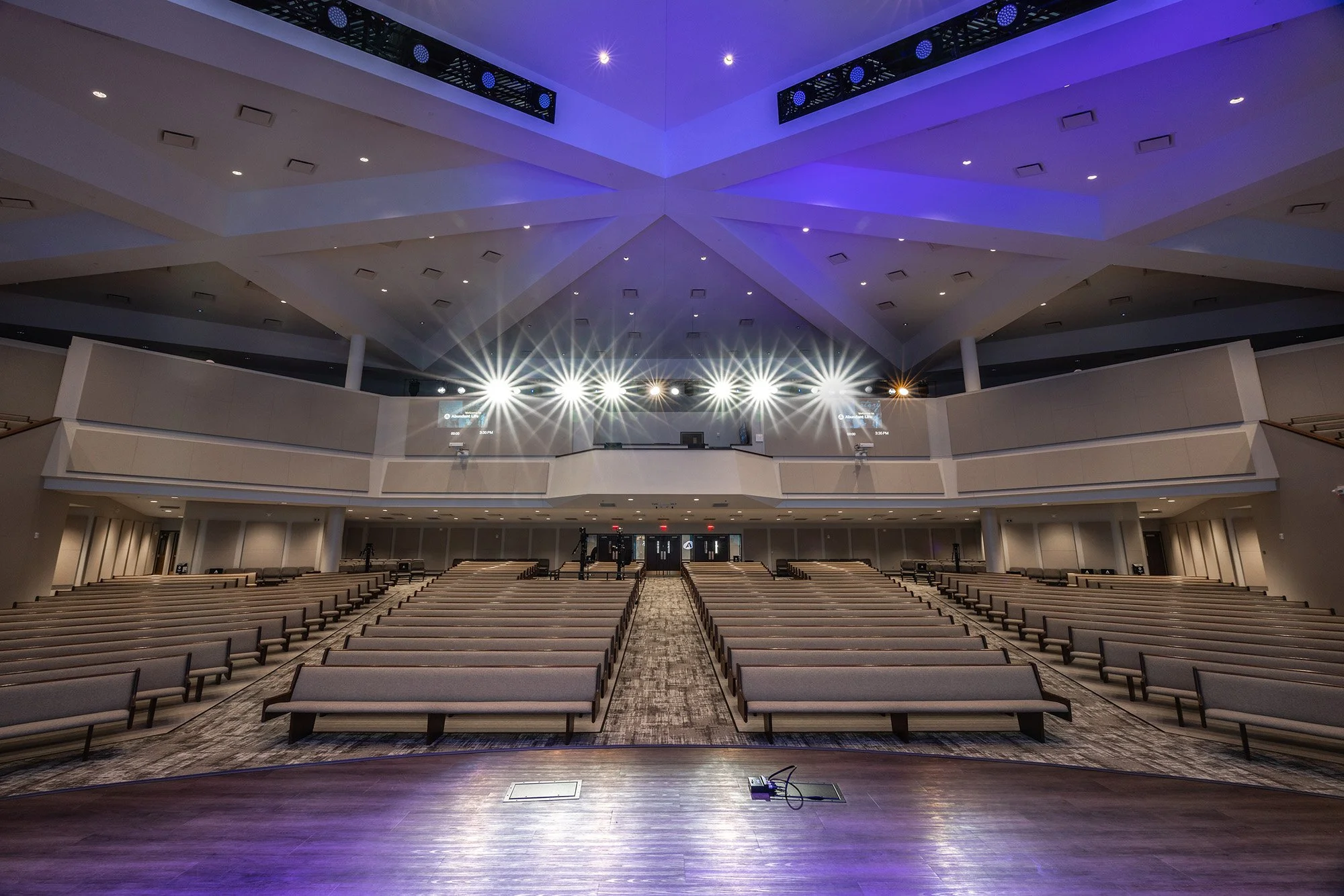
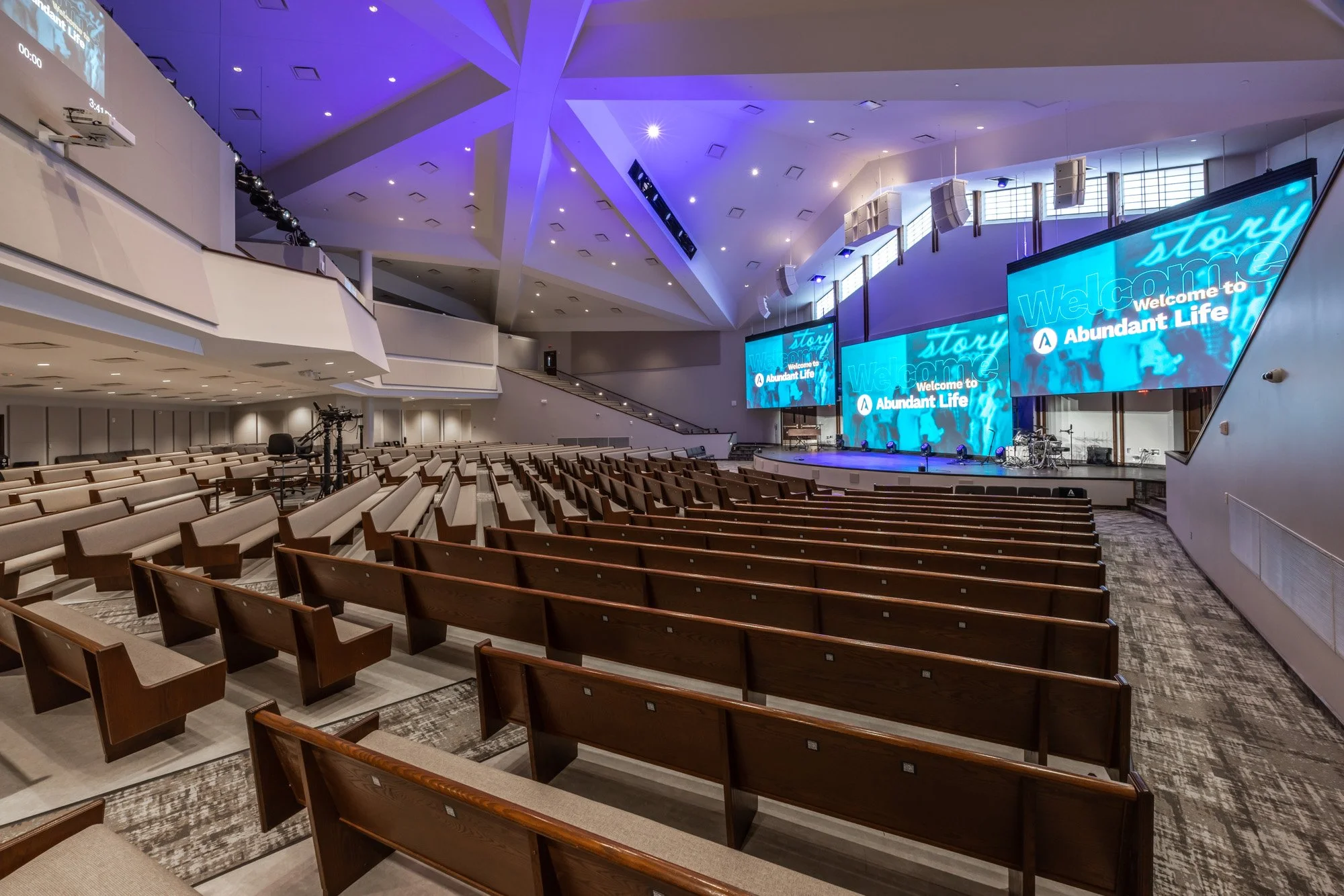
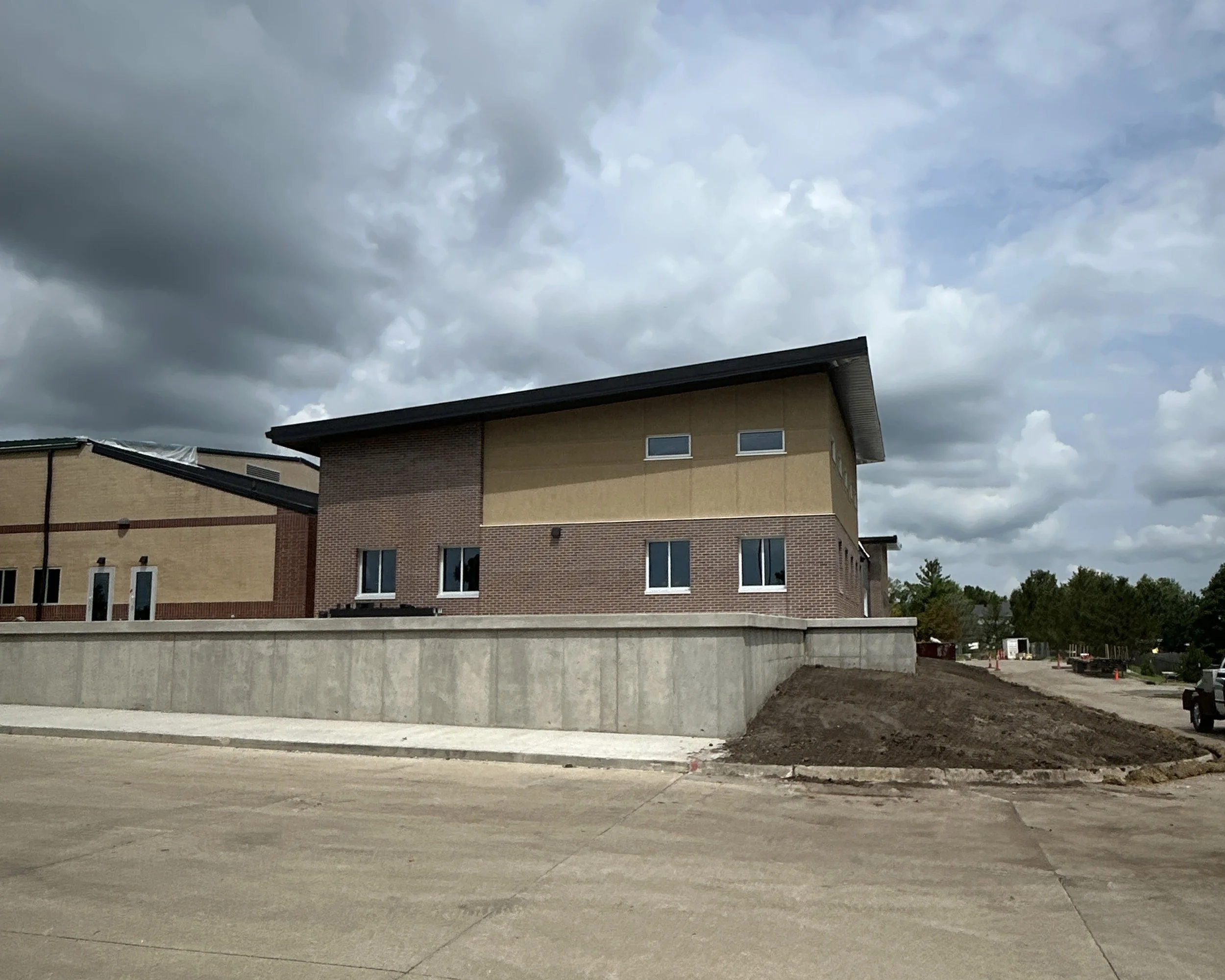
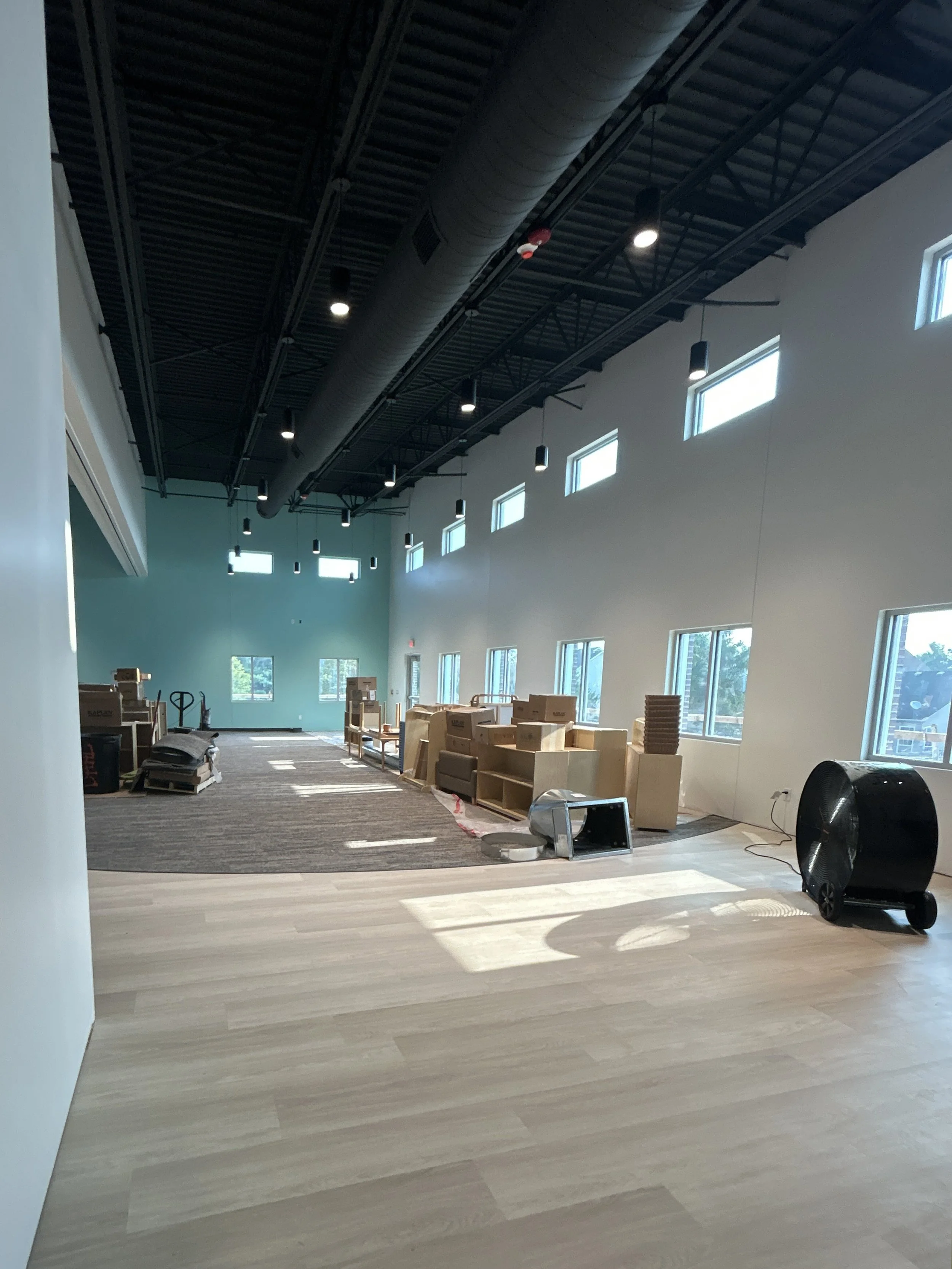
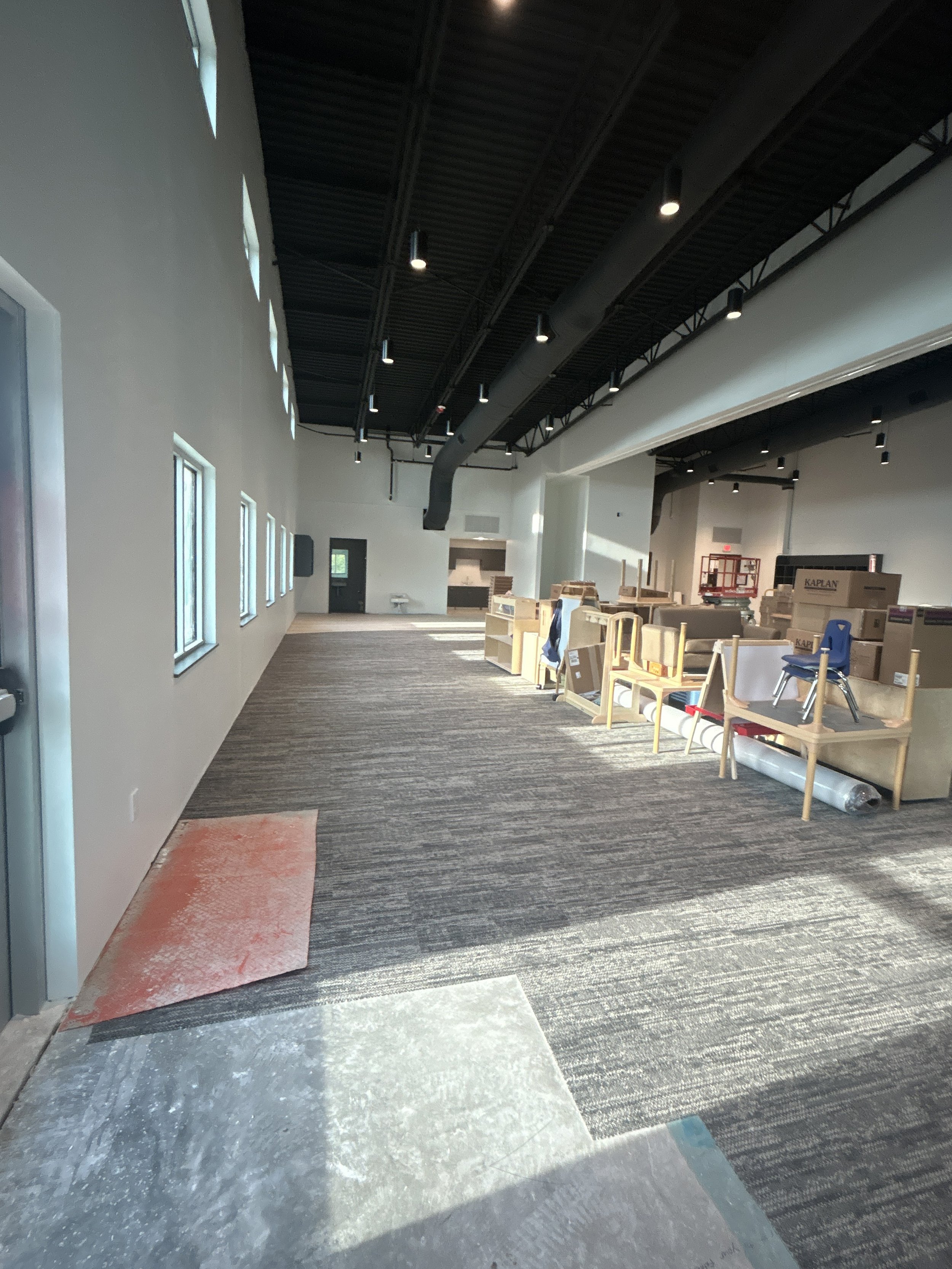
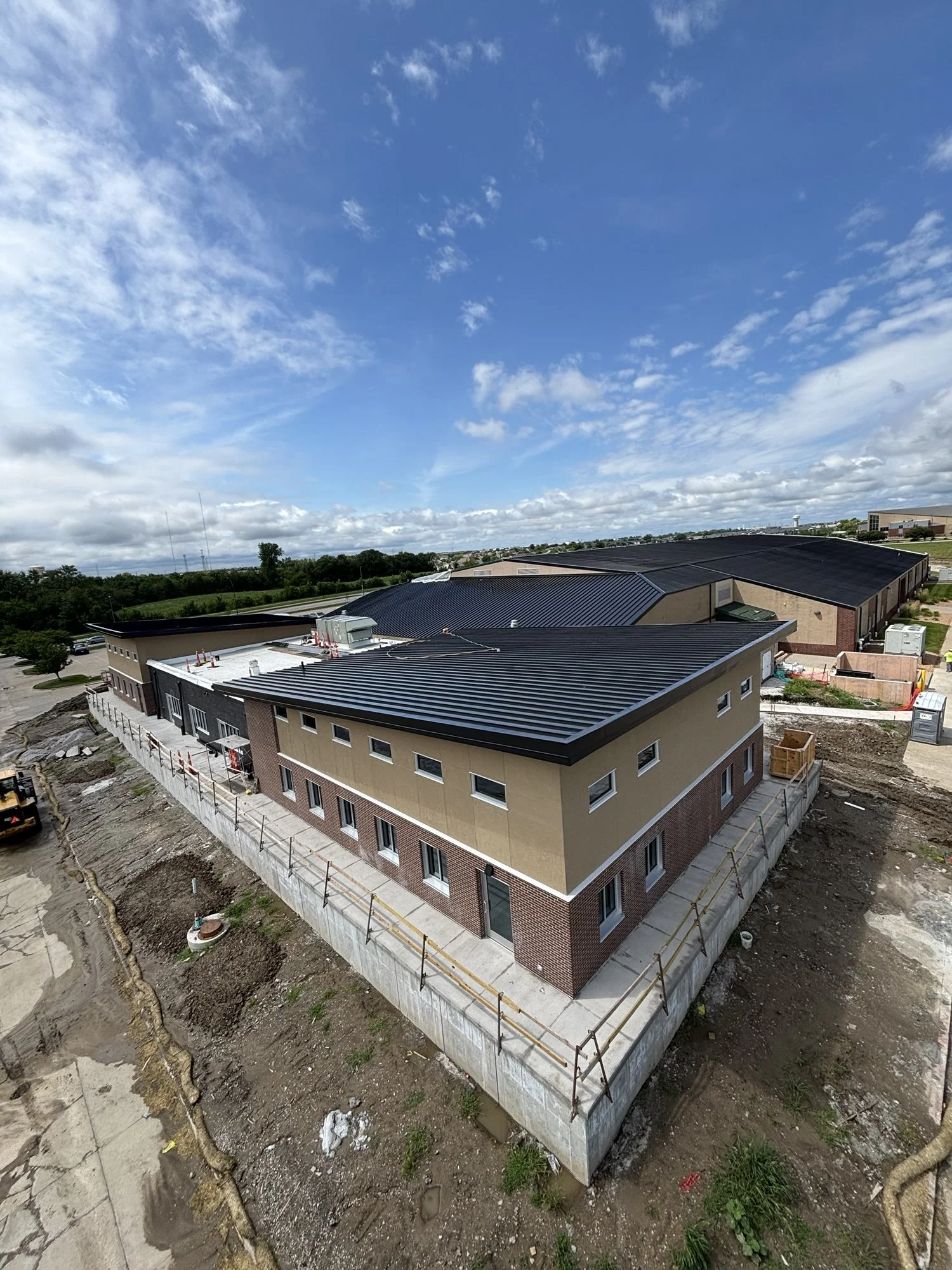
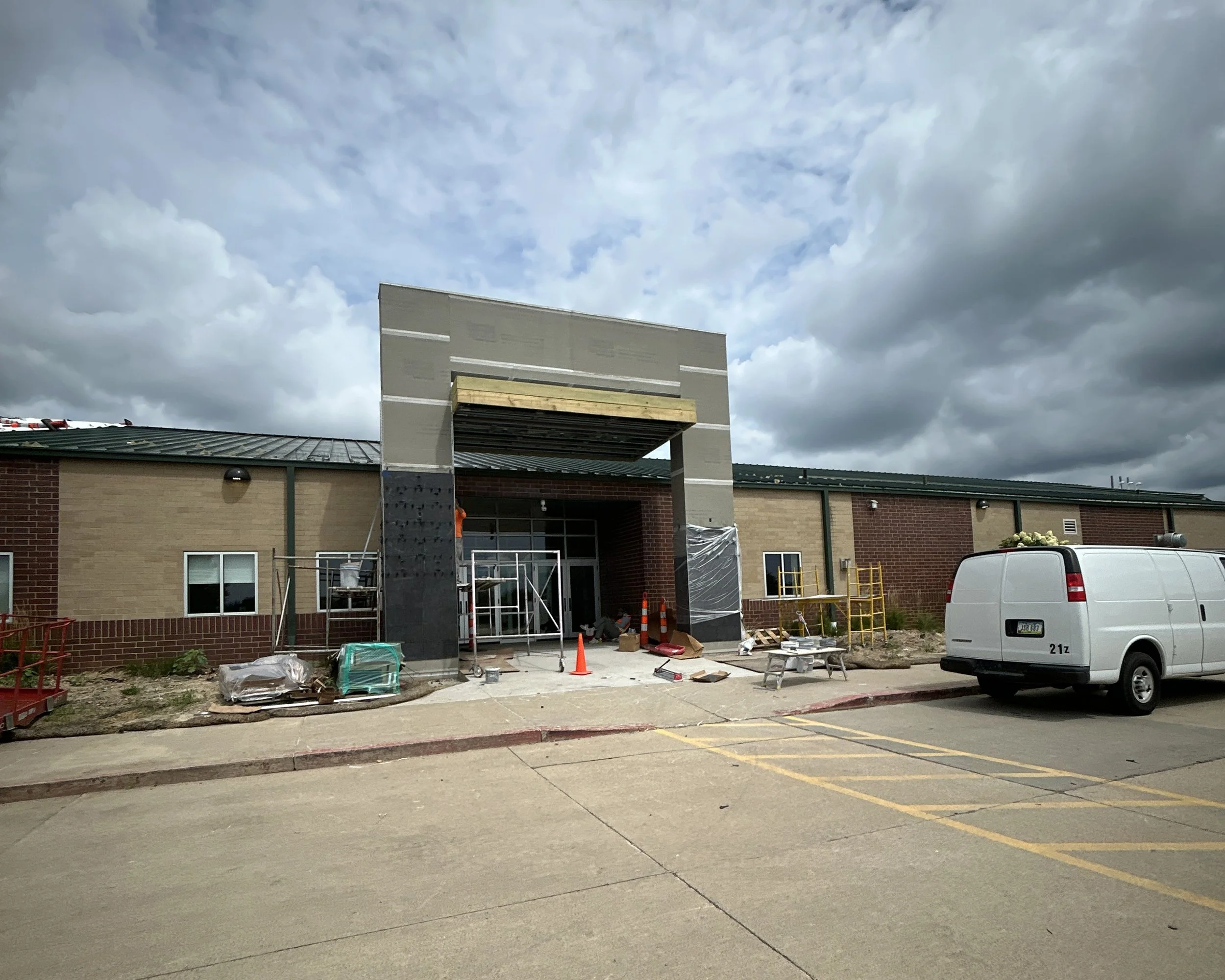
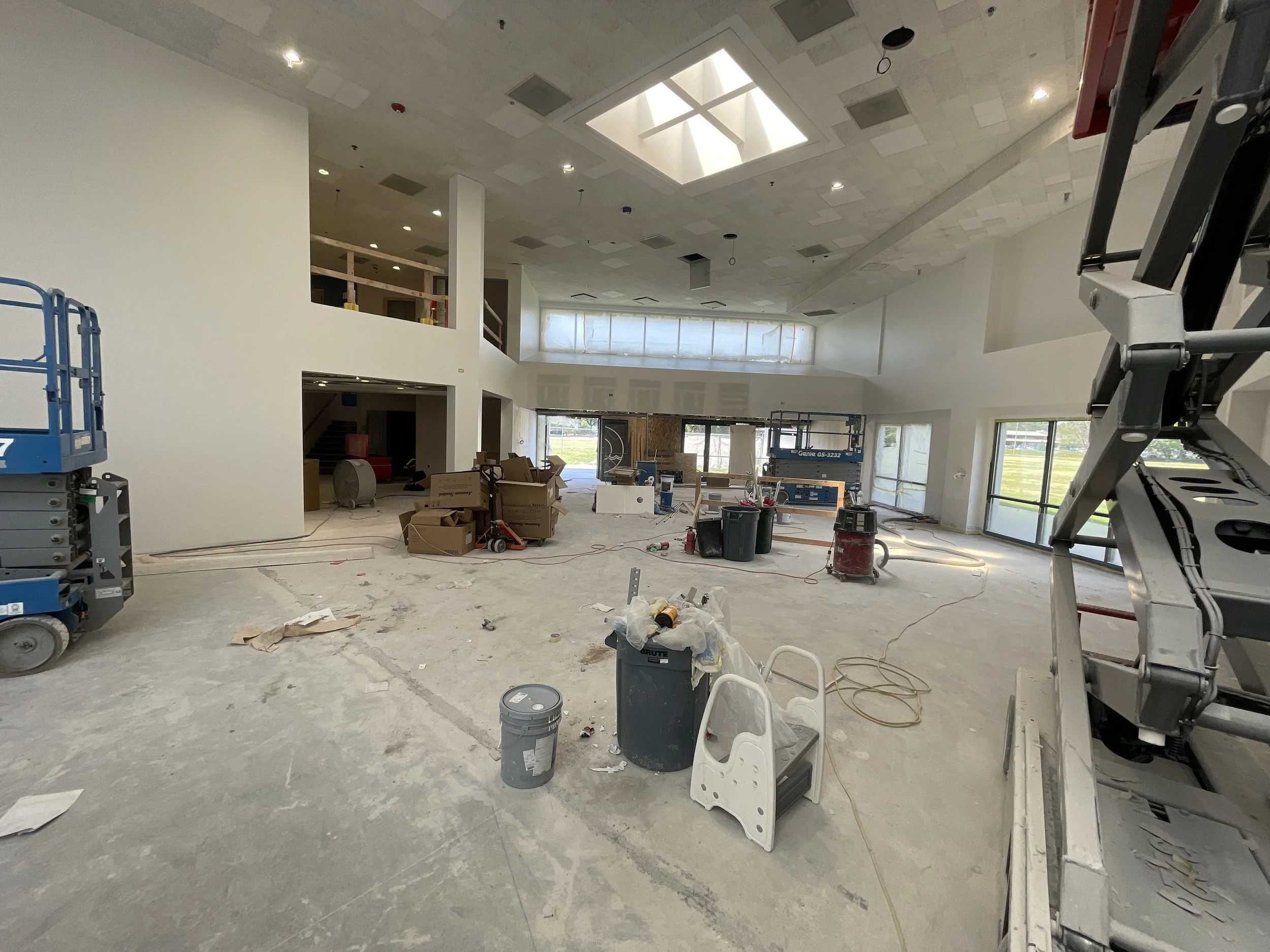
The solution was a 24,000-square-foot steel structure positioned at the end of the existing building, connected but engineered as a standalone sanctuary. The design incorporated a Tectum-insulated roof for optimal sound quality, a steel “sky-deck” allowing audio-visual professionals to access equipment suspended 40 feet above the floor, and an exterior material palette that tied the new structure visually to the renovated façade. Omaha-based Lund-Ross Constructors, who had also served as general contractor on the earlier phases, was brought on to build it.
Designing in Three Dimensions
There was a time when renderings were the last thing produced in a church building project. A polished image created after the design was finalized, used for a campaign brochure or a lobby display. The design process lived in floor plans, elevations, and technical drawings that most church leaders had to take largely on faith.
The Lord of Hosts project reflects a different approach, one that is becoming increasingly common in church construction. Working alongside Mantel Teter’s architectural drawings and programming documents, Tulsa, Oklahoma-based 3Dream Studios began building photo-realistic 3D models of the proposed worship center in real time as the design took shape. These were not after-the-fact renderings. They were working tools built in parallel with the architectural process, giving church leadership a visual language to engage with design decisions that would otherwise be difficult to grasp from drawings alone.
Should the new structure connect at the roofline or sit adjacent with a covered walkway? What do sight lines look like from the back row? How will the exterior materials read on a building with a dramatically different scale? These are construction questions, and the 3D model became the tool that allowed a non-technical church board to engage with them meaningfully. Through online screen-share sessions, the architect and visualization team could review and refine details together with church leadership in real time.
“This kind of collaborative 3D work elevates the entire design process,” said Rathsam. “It bridges the gap between what we draw and what our clients can actually picture. For a project of this significance, that bridge is critical. It allows the church to see options, react to them, and make confident decisions before construction begins, which saves time, money, and costly changes in the field.”