Viewing entries in
Resources

A Church, an Architect, and a Vision Shared

A Church, an Architect, and a Vision Shared

A Church, an Architect, and a Vision Shared

By David Keesee, President at 3Dream Studio.

Originally published on www.religiousproductnews.com.

In 1997, Pastor Hank Kunneman and his wife Brenda started Lord of Hosts Church with a handful of people and 3,800 square feet of leased space inside a retail building in Omaha, Nebraska.

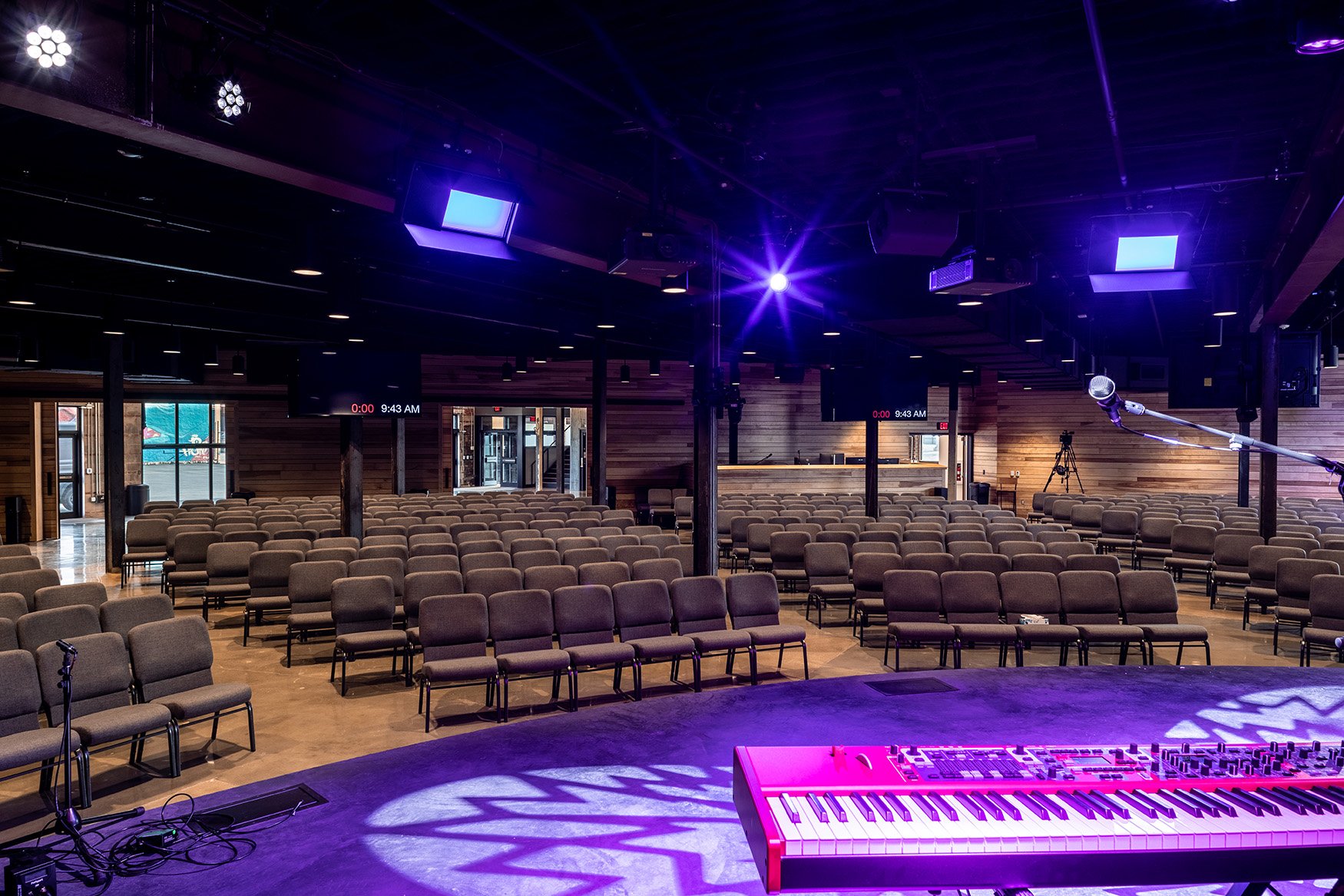
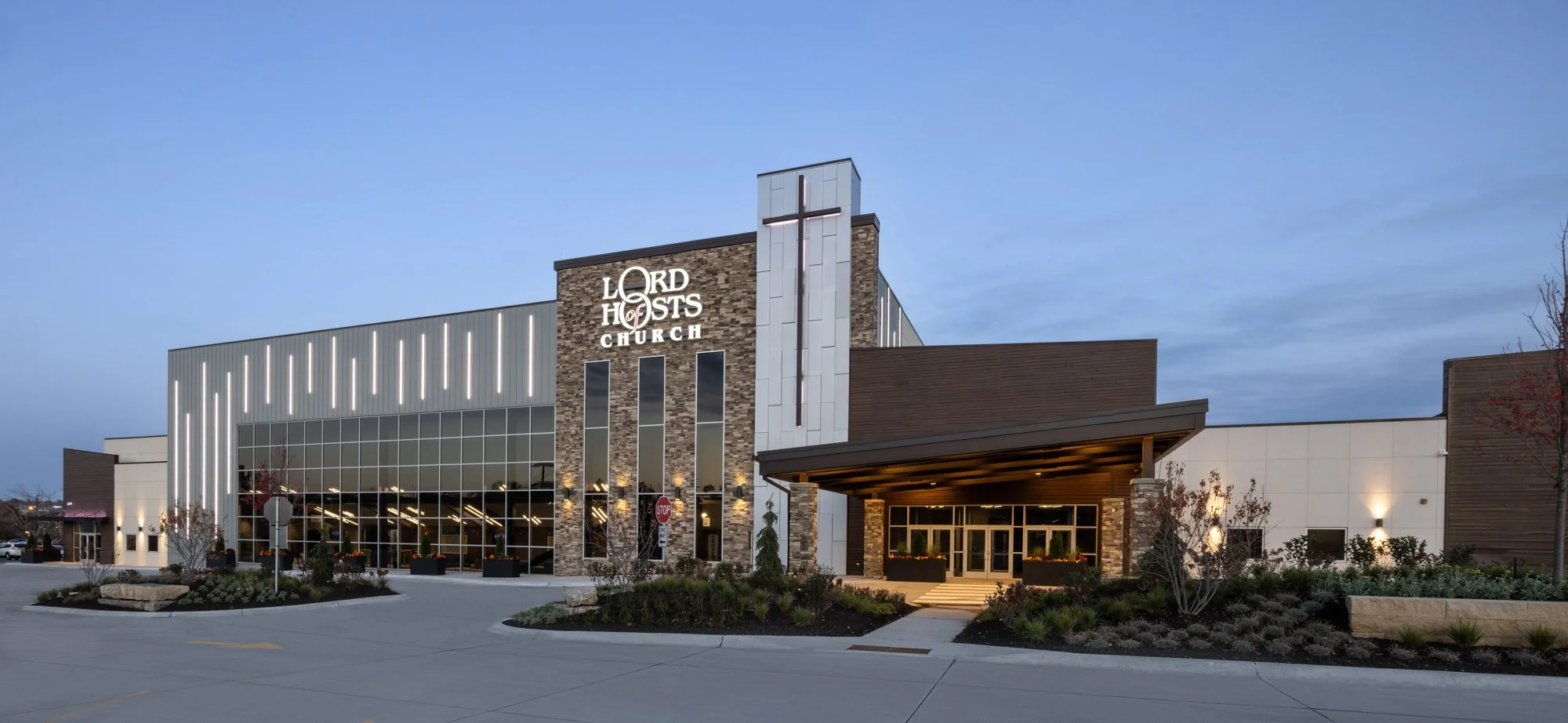
Nearly three decades later, that same campus is home to a 24,000 square foot, purpose-built worship center called The Tabernacle. The steel structure seats 1,670 and is outfitted with full-height video walls, state-of-the-art audio, DMX-controlled lighting, and a cross that rises 68 feet above the ground.

That kind of growth doesn’t happen overnight. It unfolded over years of strategic planning and a partnership between church leadership, an architecture firm that specializes in houses of worship, and a visualization studio that helped everyone see and agree on what they were building together. Their story reflects how church construction projects are increasingly being approached: less handoff, more collaboration, from the earliest conversations through the final walkthrough.

Outgrowing the Building

As the church grew, so did its footprint. When the entire property came up for sale, the church purchased it and began working with Kansas City-based architecture firm Mantel Teter to develop a long-range master plan. An initial phase transformed the interior, converting an old ballroom into a café, bookstore, and community gathering space and adding a second video venue. The exterior façade was completely renovated with Western Red Cedar, synthetic stucco, and fiber cement board-and-batten, giving the old building a modern, welcoming identity.

But the congregation’s growth eventually outpaced what the renovated structure could deliver. The auditorium was filling faster each week, and the overflow chapel was straining to keep pace. The church needed a worship environment with the ceiling height, acoustic performance, lighting infrastructure, and broadcast capability that a repurposed retail building simply could not provide.

“We are in an incredible season of growth,” said Hank Kunneman, senior pastor of Lord of Hosts Church. “People are coming from across the city, across the state, and from around the country. We knew it was time to build a place that could match what God was doing. Not just more seats, but a facility built for worship, for His presence, and for the technology to reach people around the world.”
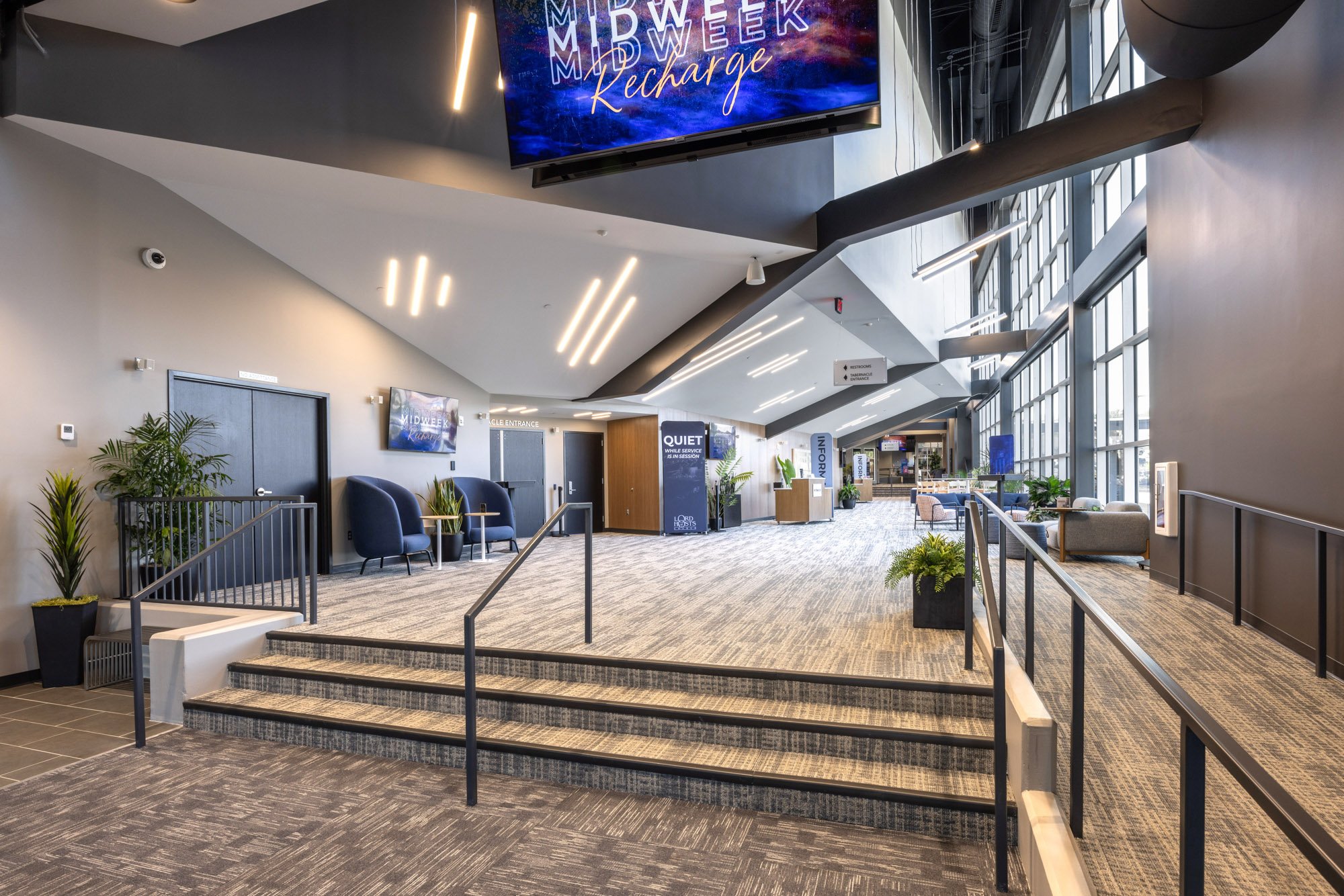
Photo Credit: Emmalee Rathsam

The Architectural Solution

Brian Rathsam, vice president and project architect at Mantel Teter, had been working with the church through the earlier renovation phases and understood both the campus and its constraints well. The question wasn’t whether to expand. It was how.

“The existing structure had real limitations,” said Rathsam. “To achieve the ceiling heights, acoustic performance, and technical infrastructure this congregation needed, we determined early that a new freestanding structure was the right path. But it couldn’t feel like a separate building. It needed to connect to the existing campus, both physically and visually, so the entire property reads as one cohesive facility.”

The solution was a 24,000-square-foot steel structure positioned at the end of the existing building, connected but engineered as a standalone sanctuary. The design incorporated a Tectum-insulated roof for optimal sound quality, a steel “sky-deck” allowing audio-visual professionals to access equipment suspended 40 feet above the floor, and an exterior material palette that tied the new structure visually to the renovated façade. Omaha-based Lund-Ross Constructors, who had also served as general contractor on the earlier phases, was brought on to build it.

Designing in Three Dimensions

There was a time when renderings were the last thing produced in a church building project. A polished image created after the design was finalized, used for a campaign brochure or a lobby display. The design process lived in floor plans, elevations, and technical drawings that most church leaders had to take largely on faith.

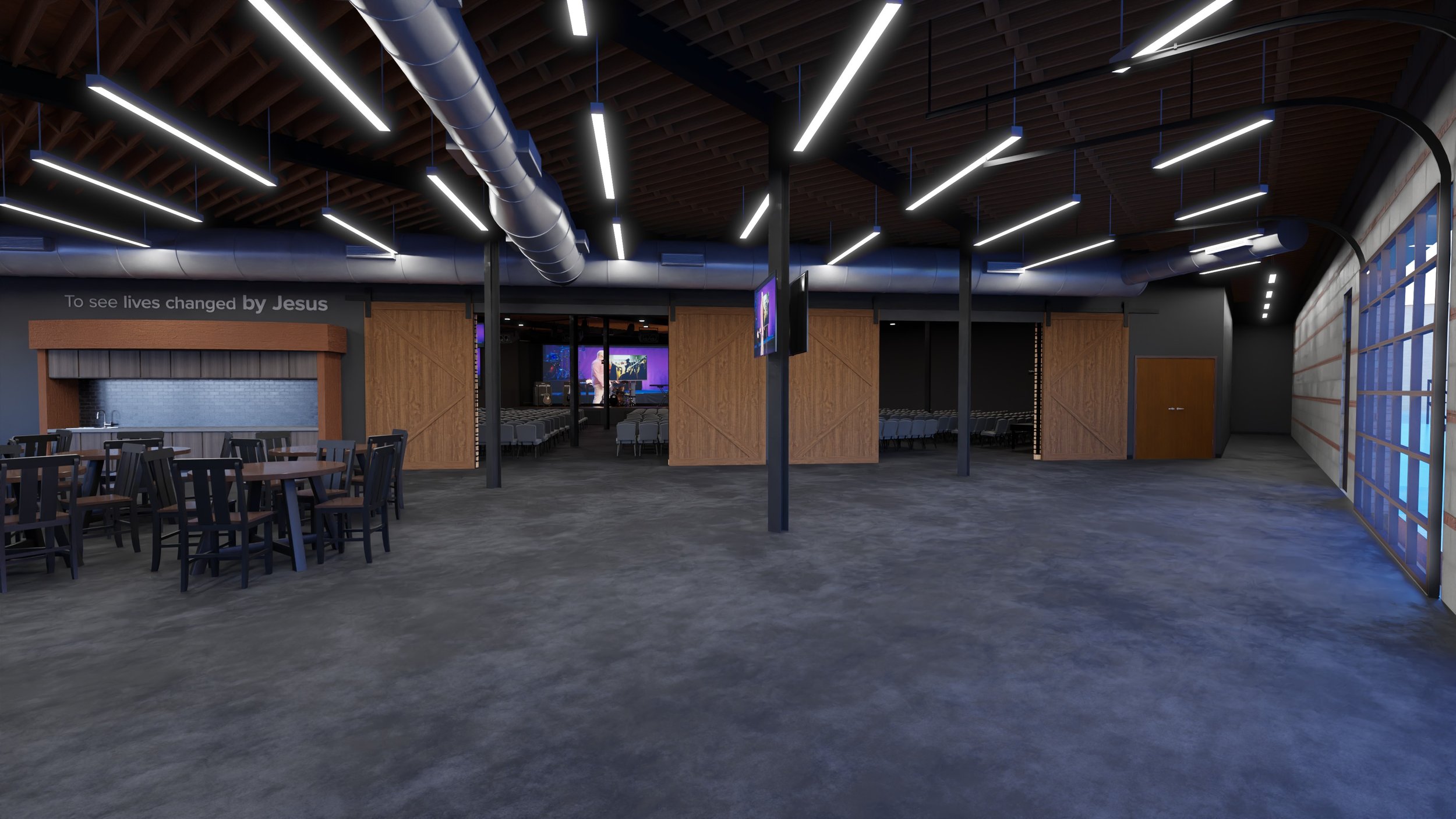
The Lord of Hosts project reflects a different approach, one that is becoming increasingly common in church construction. Working alongside Mantel Teter’s architectural drawings and programming documents, Tulsa, Oklahoma-based 3Dream Studios began building photo-realistic 3D models of the proposed worship center in real time as the design took shape. These were not after-the-fact renderings. They were working tools built in parallel with the architectural process, giving church leadership a visual language to engage with design decisions that would otherwise be difficult to grasp from drawings alone.

Should the new structure connect at the roofline or sit adjacent with a covered walkway? What do sight lines look like from the back row? How will the exterior materials read on a building with a dramatically different scale? These are construction questions, and the 3D model became the tool that allowed a non-technical church board to engage with them meaningfully. Through online screen-share sessions, the architect and visualization team could review and refine details together with church leadership in real time.

“This kind of collaborative 3D work elevates the entire design process,” said Rathsam. “It bridges the gap between what we draw and what our clients can actually picture. For a project of this significance, that bridge is critical. It allows the church to see options, react to them, and make confident decisions before construction begins, which saves time, money, and costly changes in the field.”
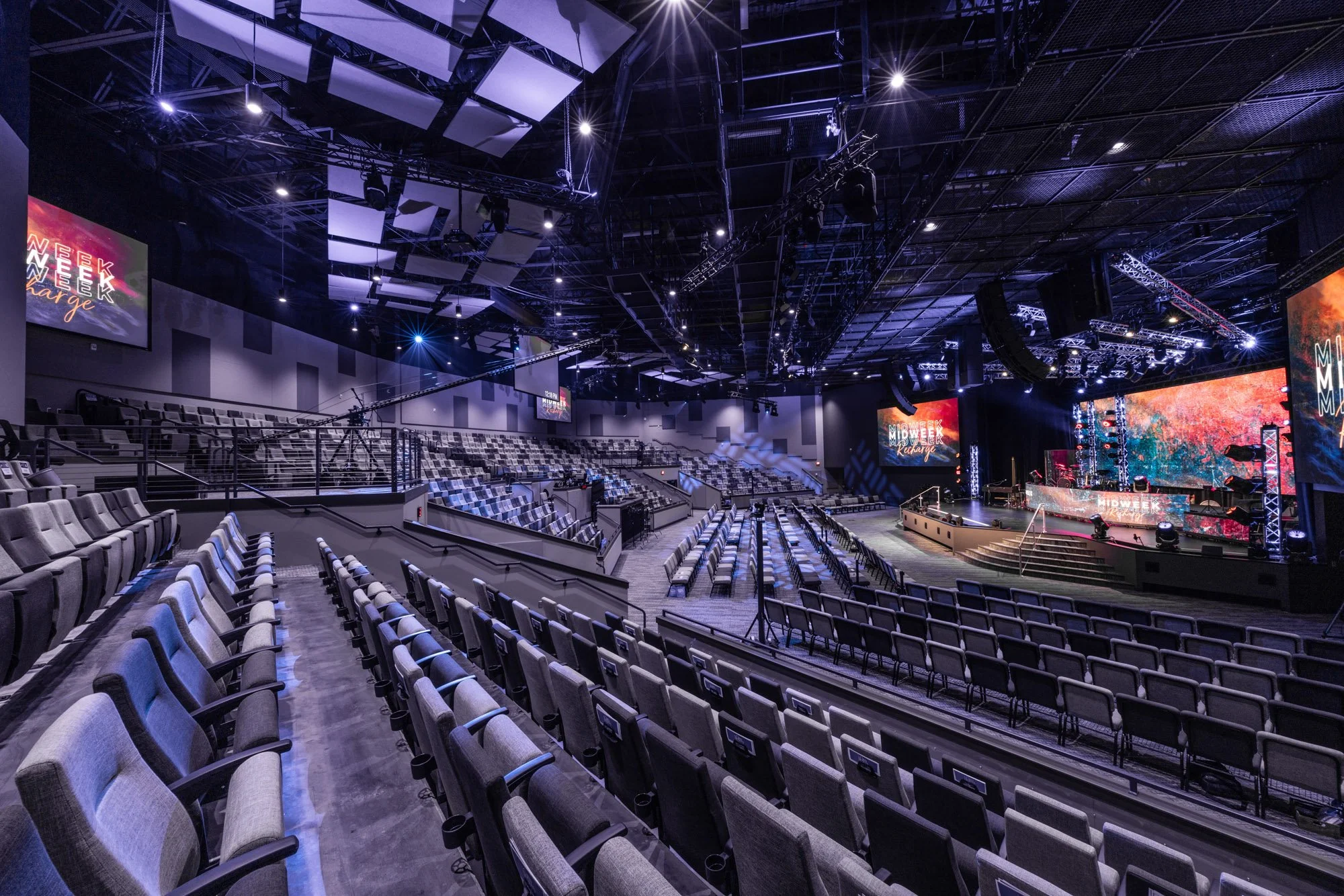
Photo Credit: Emmalee Rathsam

From Design Tool to Fundraising Engine

Because the 3D model already existed as part of the design workflow, it became a natural asset for the church’s capital campaign. A Turn-Key Vision Video was produced that wove together introductions from the Kunnemans, on-site interviews with a cross-section of the congregation, and an animated 3D walkthrough of the proposed sanctuary. All of it was built from the same model that had been informing design decisions for months. An interactive online virtual tour was also made available, allowing members and the church’s significant online audience to explore the proposed space from any device.

“This project was more than just four walls and a roof,” said Kunneman. “It was a challenge of architectural engineering, and it was a step of faith for our people. When they could walk through the building before it existed and see the scale, feel the atmosphere, and understand the purpose, it wasn’t just a building plan anymore. It was theirs. And they gave to make it happen.”

The model also continued to serve as a reference throughout construction. When questions arose about interior finishes, lighting placement, or material details on the job site, the photo-realistic model provided a shared frame of reference that flat drawings alone could not. The building arrived at completion looking remarkably close to what the congregation first saw in 3D, because the model wasn’t a wish. It was a working document that evolved with the project.

What a Shared Vision Looks Like

The Lord of Hosts project illustrates what becomes possible when the key players in a church construction project are aligned from the start. Rather than working in sequence, where the church defines a need, the architect designs in isolation, and a visualization comes at the end for a brochure, this team worked in parallel. The church brought the ministry vision. The architect brought the technical expertise. And the 3D visualization gave everyone a shared picture to react to, refine, and rally behind.

The Tabernacle at Lord of Hosts Church opened its doors in late 2024. Today, the campus stands as a testament to what happens when a growing church, an experienced architect, and a commitment to shared vision work in lockstep. Each brought something the others couldn’t. And together, they built something none of them could have built alone.

David Keesee is the founder and president of 3Dream Studios and has been helping churches successfully launch capital campaigns since 1995, www.3dreamstudios.com.

Architectural photography by Emmalee Rathsam.

Photo Credit: Emmalee Rathsam

Top 5 Things Every Church Should Know

Top 5 Things Every Church Should Know

TOP 5 THINGS EVERY CHURCH SHOULD KNOW

1. Understand the Budget – Know your limits! When you build new or renovate facilities, the building is only part of the total cost. The non-building or “soft” costs can add up to 20%-30% of your total costs. Know what your affordability and findability may be. This way you can plan a project that fits within your capabilities and becomes reality rather than lines on paper.

2. Start Your Financing Plan Now – Know your limits! Cash has been and always will be king. Cash flow is the new benchmark for lenders, so begin increasing your surplus or reserves now. Money is a great servant and a terrible master.

Rendering by 3Dream Studios

3. Choose the Right Partner – Find people who have done what you want to do and choose people that you would be proud to have on your staff team for a few years – that’s how long it takes and that’s what actually happens.

4. Prepare the People – Buildings are not strategies, they’re simply tools. Give your congregation pictures of the new spaces and cast vision of the life-change that will be the result. People give to vision they can trust. Always tie vision back to who you are and who God has called you to reach.

Rendering by 3Dream Studios

5. Don’t be a Copycat – See what others have done, but remember it’s based on their vision, not yours, and may not be relevant. Look for the transferrable principles that relate to your church and align with your God-given vision.

Pandemic Predicament: Church Design – Part 1 of 5

Pandemic Predicament: Church Design – Part 1 of 5

Pandemic Predicament: Church Design – Part 2 of 5 Considerations for the Church Property

The COVID-19 pandemic has redefined daily life. From working environments to required face coverings to food delivery to entertainment, the effects and aftermath of social distancing may be here to stay for a very long time. These are unchartered waters and architecturally speaking, will no doubt have an impact on the design of future gathering spaces. Therefore, it is incumbent on the architectural community to look for ways to not only mitigate virus transmission, but to design safer gathering spaces.

Continue reading

Taking Church Outside

Taking Church Outside

The COVID-19 pandemic has redefined daily life. From working environments to required face coverings to food delivery to entertainment, the effects and aftermath of social distancing may be here for a very long time. These are uncharted waters and architecturally speaking, will no doubt have an impact on the design of future gathering spaces. Therefore, it is incumbent on the architectural community to look for ways to not only mitigate virus transmission, but to design safer gathering spaces.

As the current stay-in-place culture wears on (and wears thin), people are understandably looking for different ways to cope. Heading outside is becoming a popular way to reduce cabin fever. From community concerts held outdoors, musicians performing in courtyards at restaurants and bars, drive-in theaters, and even pop-up concerts on front yards, socially responsible activities happening outside are a growing trend.

As churches begin to reopen, health and safety guidelines are in place to help prevent new cases of COVID-19. But beyond best-practices of hand sanitizer stations, deep cleaning, and seating people six feet apart, the act of taking worship outside is worth considering.

Continue reading

A Design Checklist for Church Clients

A Design Checklist for Church Clients

When architect David Evans was asked to renovate the Antioch Bible Baptist Church in Gladstone, Mo., he was given the task of transforming the three-building campus into a new seamless space featuring a state-of-the-art children’s center. “Our first task was to form a leadership committee [that] would make the project a reality, comprised of people with specific areas of expertise such as construction, finance or business,” says Evans, president of Kansas City, Mo.-based architectural firm Mantel Teter. “Stylistically the structure was not relevant, and we required many voices, from the architect to the pastor.”

The centerpiece of the new space was a children’s ministry building, designed to create awareness and attract families to the church. There was a need for expansive spaces that catered to large groups and encouraged community fellowship. The new lobby voiced “the art of arrival” as a space for connecting and promoting connection and conversation. The expansion was welcome--the new design greeted nearly 1,000 congregants on Sunday.

Continue reading

From the Front Lines of Ministry 03.20.20

A message from Intentional Churches:

We are living in unprecedented times as church leaders. Now more than ever, we need to be clear and confident about our decisions and strategies for eternal kingdom impact.

Jesus’ mission to make more and better disciples remains (Matthew 28:19-20), but now we are a church distributed and increasingly isolated. God’s strategy to grow the church remains the same but how do we innovate in a rapidly changing environment?

We are going to gather leaders on the front lines of ministry to discuss real-time strategies day by day, and week by week. These leaders are using ChurchOS tools and principles like the Great Commission Engine and the Six Domains of Church to stay clear and focused under the duress of COVID-19.

Here are the leaders we’ve convened who are using ChurchOS in this pivotal season of ministry. They will be sharing their real-time strategies as this crisis unfolds.

Jill Gille - Eastside Christian Church - Anaheim, CA, Lee Coate - The Crossing, A Christian Church - Las Vegas, NV, Mark Brewer - Oaks Church - Red Oak, TX, Matt Wright - Willow Creek Community Church - Chicago, IL, Matthew Robinson - First Baptist - Orlando, FL, Ron Sylvia - Church @ The Springs - Ocala, FL, Doug Cowburn - Elim Gospel Church - Rochester, NY, Sy Huffer - College Heights Christian Church- Joplin, MO

Please watch our first conversation below…

Stay tuned, and tune in often. Let us know how we can be helpful during this season. We will be featuring these video conversations on our website soon, for free, along with resources we find useful for ChurchOS churches.

We are praying for you.

Bart, Doug, and the Intentional Churches Team

5 Keys for Healthy Churches Going Forward

5 Keys for Healthy Churches Going Forward

By Carey Nieuwhof

It’s not all gloom and doom. I’m an optimist.

You can always find the opportunity in every obstacle.

And yet, I get it. It’s easy to get discouraged about the future of the church.

While the world seems to be falling apart, so does the church.

Attendance in many places is shrinking, not growing. Even committed Christians are attending less often (here’s why). And young leaders aren’t exactly flocking into ministry.

And often we shoot ourselves in the foot, with everything from Pharisee-like self-righteousness to downright stupid things Christians do (here are 5).

There are some characteristics that will be true of all churches that grow in the future. The more closely you align with principles like these, the more likely it is you’ll reach more people.

I won’t include things like prayer and Scripture in the list because I hope they’re foundational. The five listed below are, well, less obvious.

As you think about the future and how you need to change as a church, here are five characteristics of opportunities you have that might really help you grow.

Continue Reading

Without These 4 Steps, Your Vision Will Fail

The Unstuck Group

By Ryan Stigile

If your team lacks discipline, it’s only a matter of time before you get pulled off course.

If you’re a church leader, you likely have a vision for your ministry in 2020.

There’s something you passionately feel your team needs to accomplish—maybe you’d like to better minister to families. Maybe you’re hoping to start new small groups. You might even be considering the launch of a new campus.

Whatever that vision may be, I hope you’ll accomplish it. But I’m concerned that many church leaders will end the year disappointed.

Top Church Design Trends for 2019

Top Church Design Trends for 2019

Almost upon us, 2019 is expected to be a year of changes that will reshape--or at least refine-- houses of worship. Designers agree that the worship space should serve the church as an expression of its brand while becoming an engaging tool for its mission.

Architects, designers and AVL professionals weigh in, predicting what will happen in the coming year:

1-Multisite movement continues to flourish. The multisite movement is stronger than ever, notes David Evans, president of Kansas City, Mo.-based architectural firm Mantel Teter. “The movement’s next chapter will be to start or acquire campuses to reach and minister to residents of specific communities. Many demographics will influence these choices and a church’s ministry skill sets. This could be churches or other retail/big box properties that will be renovated for church and community uses.”

Read More

Intentional Churches Workshop

UNLEASH: RELEASING THE GOSPEL POTENTIAL OF YOUR CHURCH

The purpose of the event is to develop Great Commission momentum in your church. Your team will experience the foundations of Intentional GrowthPlanning and leave with a clear vision and action plan to double your Kingdom impact.

The workshop will be led by an experienced Intentional Churches facilitator alongside two additional Intentional Churches coaches who assist during the event. The facilitators and coaches use Intentional GrowthPlanning to grow their church and coach and train other churches to do the same.

Continue reading

How to Select Timeless Materials and Colors

How to Select Timeless Materials and Colors

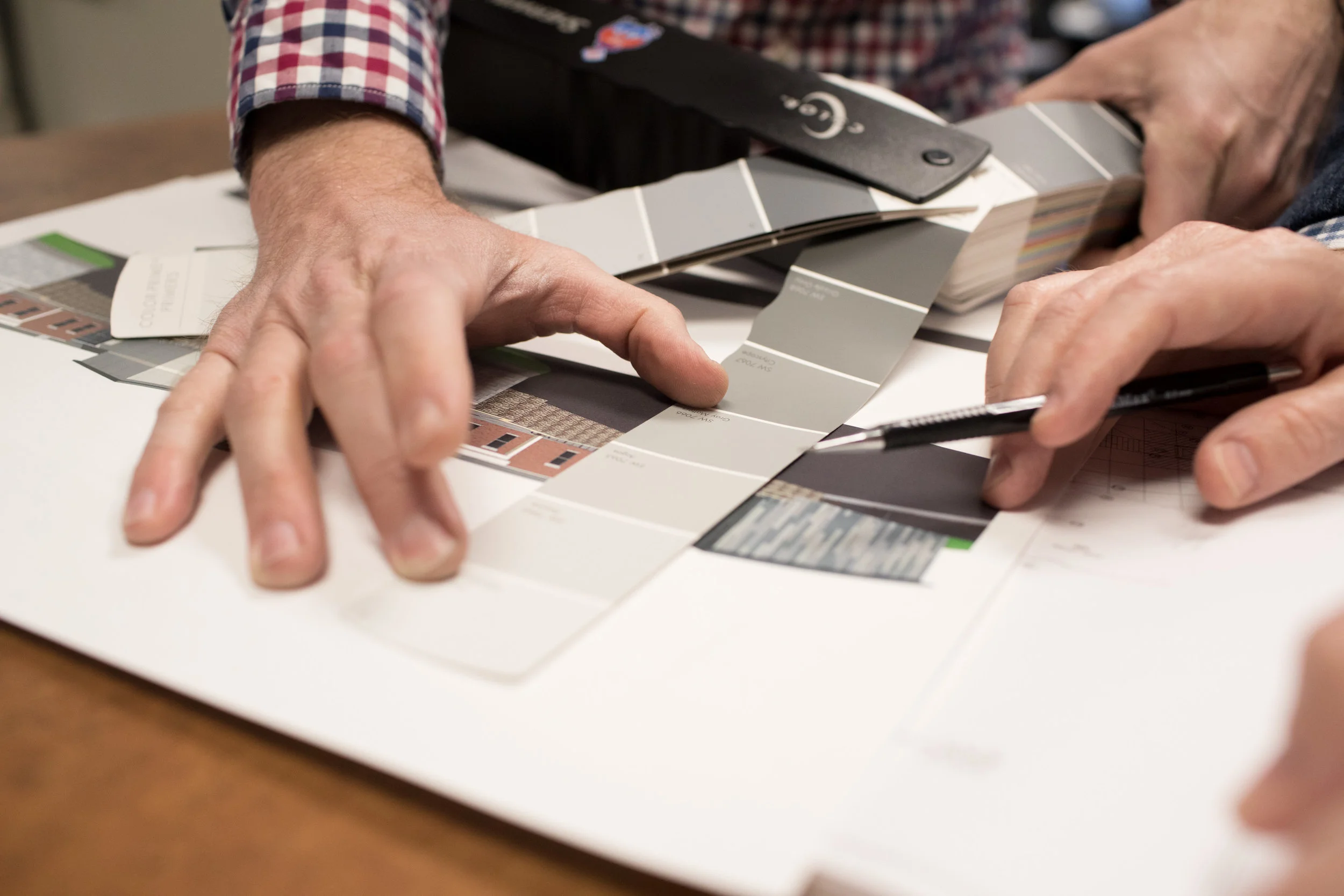
This has to be my most frequently asked question during a design process with our clients… “how can we keep our building from looking dated in 10, 15, 20 years”? My first response is always “you can’t.” Design trends come and go. What is popular today may not be tomorrow. Unfortunately, for most of our clients, the ability and funds to change their space like owners of hospitality spaces do, is not possible. They cannot switch carpet and countertops every five years. So, the trick is to find little ways to maximize not only the money spent, but the years in which our products will last. The good news for our clients is that there are several ways we can achieve a “timeless” look and beat those fleeting design trends.

1. Stay as neutral as possible with your most expensive and longest lasting materials. For example, don’t pick red carpet, blue countertops or overly trendy-looking tile. Instead, let your paint and accent colors be the trend. Green is very in right now. Paint a wall or two in your lobby green and the rest can stay very neutral. Paint is easy and inexpensive to change, especially if it’s just one wall.

Continue Reading

Knowing What Kind of Space to Build

Knowing What Kind of Space to Build

Building the right space at the right time is the ultimate goal of every church building project. Once a church has tracked attendance information over time, it can make an informed decision about the amount of space needed for ministry expansion. Armed with this hard data, you’re ready to consider what kind of space to build.

Click here for three tips regarding how much space to build.

The Art of Arrival

The Art of Arrival

The sense of arrival. Psychologically, it symbolizes the completion of a journey. Excitement is present when a destination is achieved and the experience of what lies ahead is in store. Upon arrival to a church facility, people process through a series of motions as the experience of arrival is achieved. Together, site and building work to complete the sense of arrival and enrich the experience.

Click here for FIVE things to consider when contemplating how to create or improve this experience.

Hire the Expert: Save Time and Money

Hire the Expert: Save Time and Money

Most of us have "enjoyed" the experience of making multiple trips to the hardware store when attempting to install what often seems to be the simplest of tasks. After this task consumes most of the day, including all kinds of time that was not planned, we rock back and ask ourselves, "why didn't I just hire a professional?".

Read more.

The amateur in the scenario above most likely just spent twice or more in time and money, than if a professional would have been hired. This reminds me of a quote from the famous oil well firefighter, Paul "Red" Adair. He would tell folks, "If you think it’s expensive to hire a professional……wait until you hire an amateur!".  Candidly, he's right.

On the Table Kansas City Luncheon

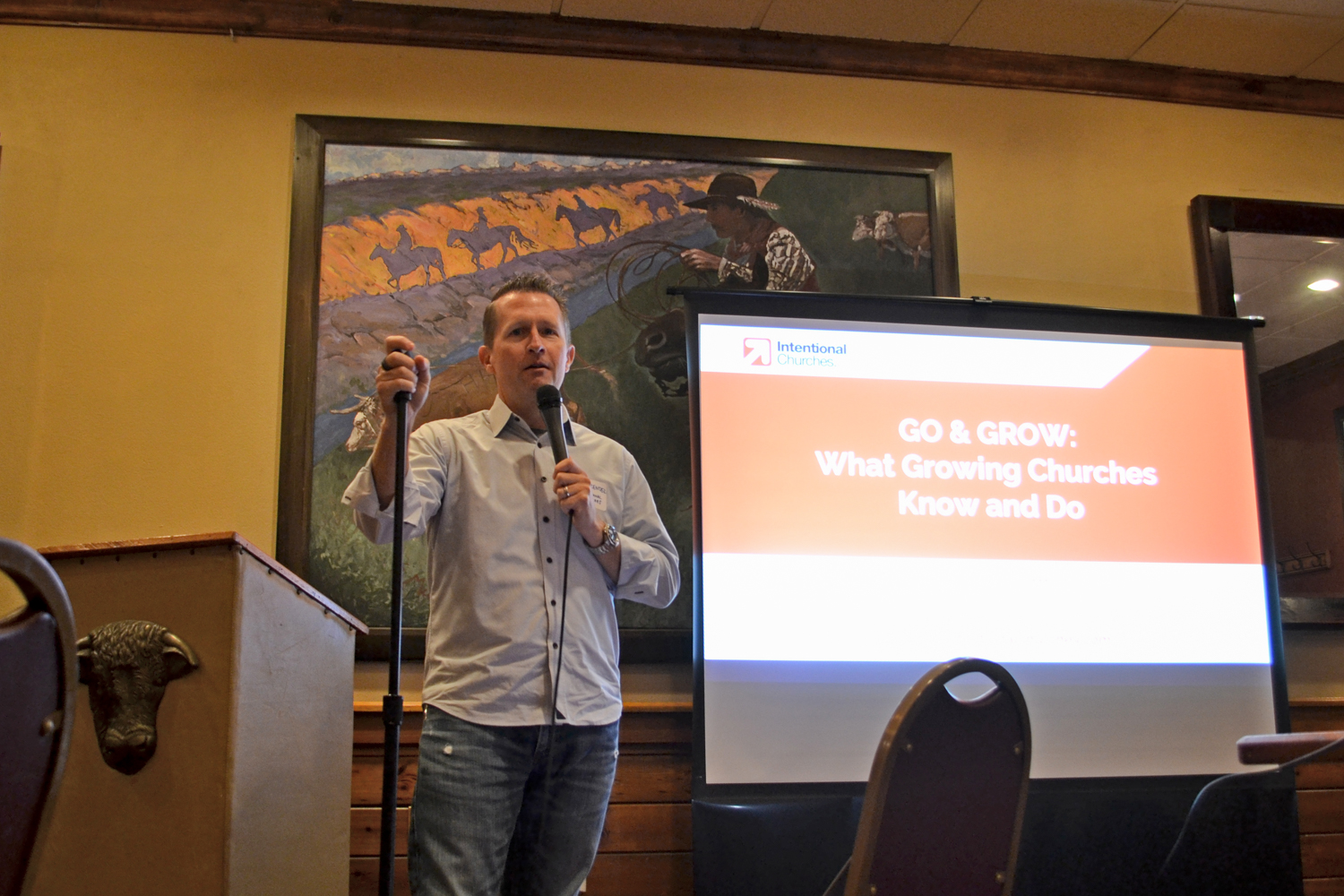
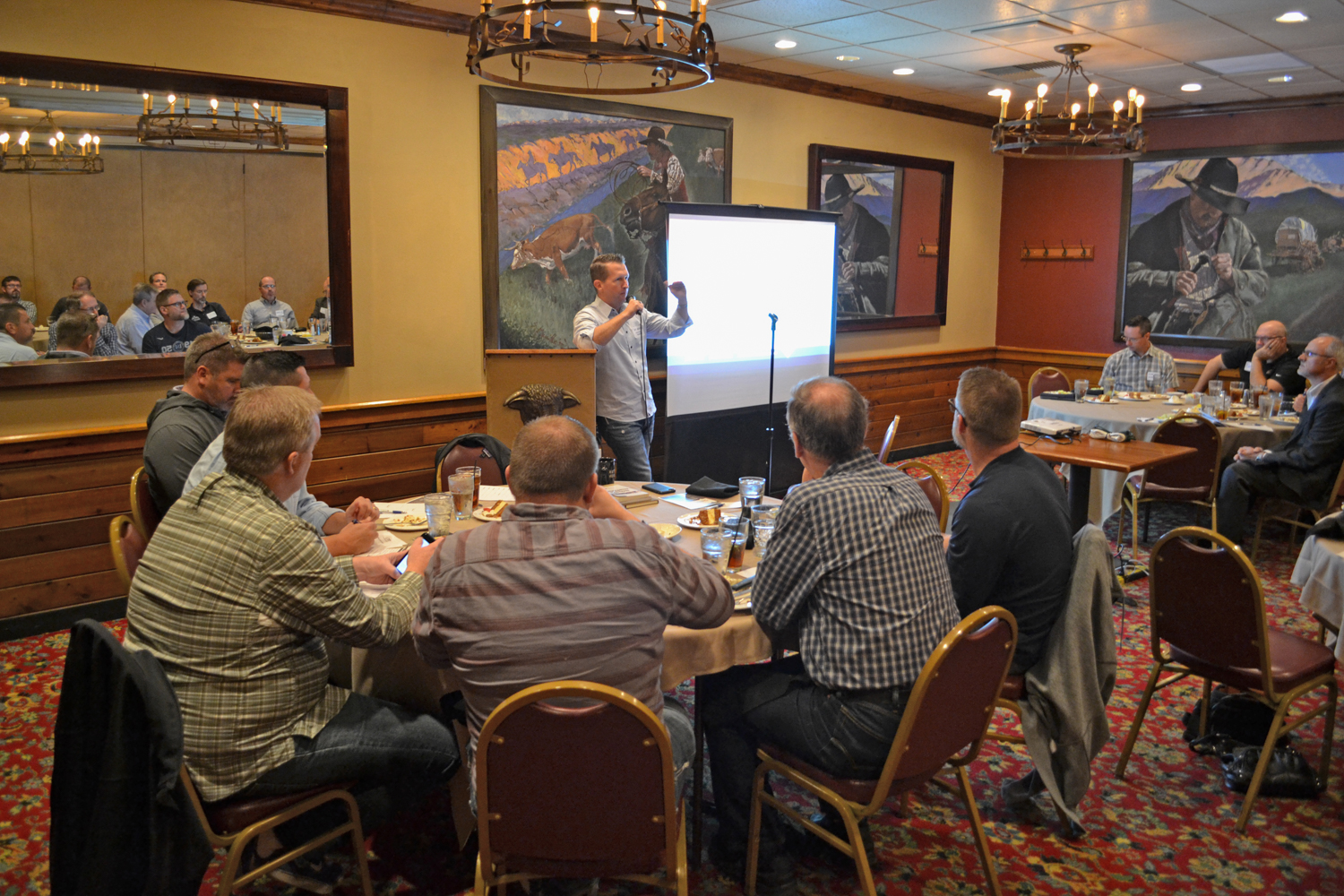
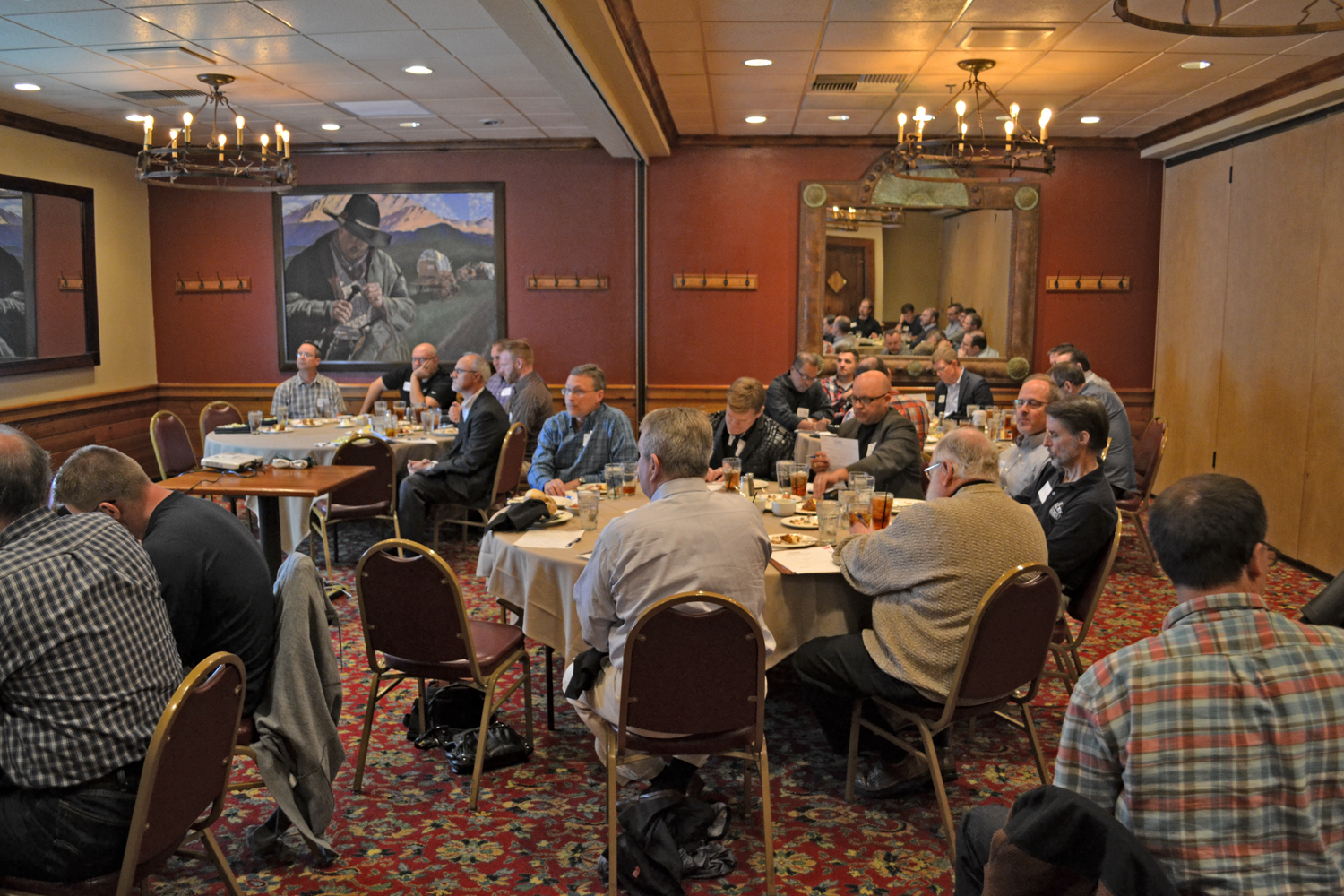
On Thursday, October 20, 2016, Bart Rendel, President and Co-founder of Intentional Churches, a national ministry dedicated to training and coaching churches in how to double their Kingdom impact, spoke at our annual On the Table luncheon. We were honored to partner with him and provide such a great resource to Kansas City area churches.

Bart Rendel, President and Co-founder of Intentional Churches

Bart Rendel, President and Co-founder of Intentional Churches

Thank you to our industry partners for their sponsorship and helping make this event happen.

Central Bank of the Midwest, Jim Lehman

Generis, Rusty Lewis

Harmon Construction, Tim Harmon

Pastor's Luncheon October 20, 2016

Bart Rendel, Co-founder and President at International Churches. 

Bart Rendel, Co-founder and President at International Churches. 

ON THE TABLE: “GO & GROW: WHAT GROWING CHURCHES KNOW AND DO”
A great resource for pastors and senior leadership teams!

October 20, 2016
11:30am - 1:30pm

Hereford House
5001 Town Center Drive
Leawood, Kansas 66211

RSVP by October 6, 2016, email Kaycee@Generis.com

Seats are limited, email to reserve your spot today! *max 2 seats per organization

ABOUT THE GUEST SPEAKER:
Bart Rendel is President and Co-founder of Intentional Churches, a national ministry dedicated to training and coaching churches in how to double their Kingdom impact. Intentional Churches developed a proprietary, team-based planning process called Intentional GrowthPlanning and has worked with over 200 churches to install this planning system. Profound Kingdom results are unfolding as churches learn how to use the tools and process to refresh vision and grow again and again. Bart lives in Las Vegas with his wife, Catherine, and two children. They attend Central Christian Church where Bart was on the executive team for over eleven years.
 

A NEW Resource to Help You Increase Giving

"To give money away is an easy matter and in any man’s power. But to decide to whom to give it, and how large and when, and for what purpose and how, is neither in every man’s power nor an easy matter." — Aristotle

Our friends at Generis have created a new resource to help you increase giving by better understanding and engaging your givers. Did you know there are four types of givers in the church? Learn how to engage these types of givers in this free download

Thom Rainer’s Five Secrets to Getting Church Guests to Return Cards

1. Keep it simple

How simple? As simple as a first name and email. The more information you ask the less likely they are to fill out a card.

2. Avoid the phone number

People simply don't like to be bothered and don't want to give out their phone number.

3. Go loose, not perforated.

Guests don't want to interrupt the service with the sound of tearing the card.

Comment

Free Generosity Speaks E-Book Now Available

Our friend at Generis, Rusty Lewis, has a new free e-book available!

What you say and how you say it has a direct correlation to what your givers give. Have you ever considered that? Have you ever considered what it might look like if you were to leverage your communication to accelerate giving? It could truly change your ministry and fund the God-sized vision of your church!

That’s the premise of Rusty's new e-book called Generosity Speaks: Designing Communication to Impact Giving. And this new 38-page resource is available to you for free starting today!

Comment